Modern luxury architecture incorporates smart technology to safeguard buildings and their occupants against both environmental and human threats. These buildings use AI and smart self-healing materials to maintain high resilience without compromising on regulatory standards.
Here’s a quick look at how they achieve this.
AI-powered technology supports proactive security
Modern luxury architecture incorporates smart security systems that can detect potential threats before they escalate into serious safety and security issues. The surveillance system is one of those systems that has benefited hugely from AI advancement. Modern surveillance systems use smart CCTV cameras. These systems have algorithms that can analyze patterns to flag suspicious behavior.
“In the luxury market, safety and security are becoming just as important as design and location,” says Darren Robertson, a Northern Virginia Realtor and founder of NorthernVirginiaHomePro.com. “Buyers want homes that feel refined and welcoming, but also quietly equipped to handle real‑world risks.”
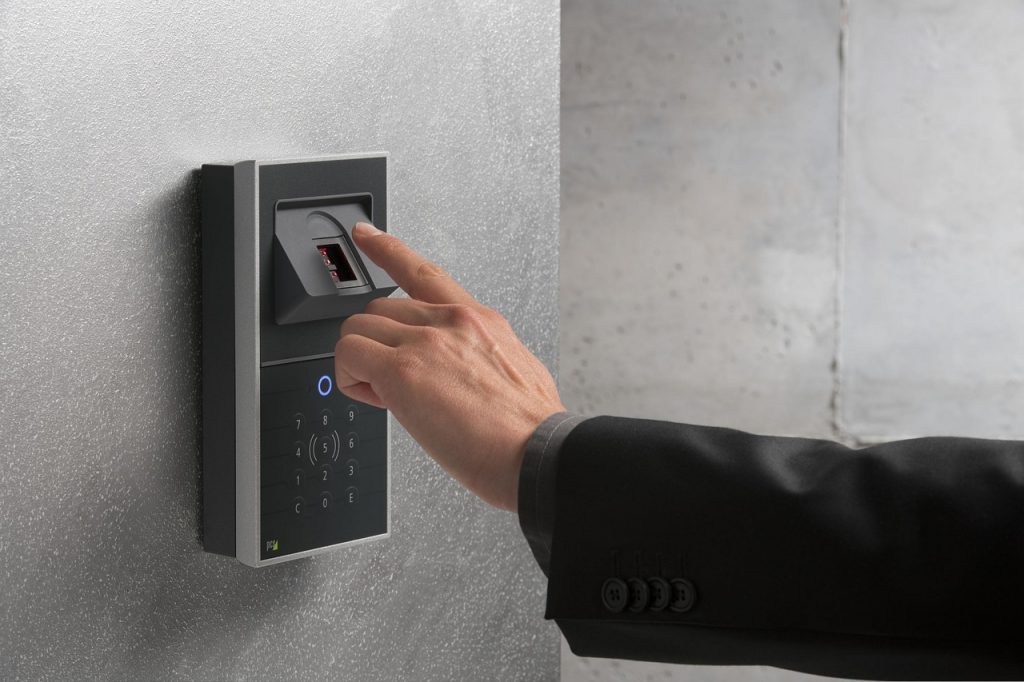
Safety and security systems are also integrated. That means data from one device can activate other systems automatically. For example, when cameras detect intrusion, the system can trigger access controls to lock down that specific area. An intrusion alert is also sent to the security control center immediately.
That said, privacy has been a major concern, especially among luxury clients. LiDAR is another technology that’s helping keep buildings safe and secure while maintaining the privacy of the occupants. This tech, which is also used in self-driving cars, creates high-res 3D maps of a space and tracks movement to detect intruders.
LiDAR works well alongside commercial surveillance systems. You can deploy this in specific areas where the occupants’ privacy is a priority. Meanwhile, cameras work well to give you eyes on every other part of the property.
Smart materials prevent environmental damage
Statistically, buildings are more likely to experience environmental damage like electrical fires and water and gas leaks than burglaries. That’s why luxury real estate developers are increasingly using smart materials to stay protected against the elements. This is particularly crucial for properties located in high-risk environments, such as coastal, hillside, and seismic areas.
Self-healing concrete is one excellent example of such materials. This concrete is infused with a dormant bacterium and a nutrient source, usually calcium. The bacteria are activated when cracks form and water seeps into the concrete. The bacteria then consume the nutrient before excreting limestone, which fills up the cracks to prevent structural damage.
Shape-memory alloys (SMA) and impact-resistant glass are other innovative materials used to boost the safety of luxury properties. SMAs boost seismic resilience. They allow buildings to survive vibrations caused by earthquakes.
Impact-resistant glass, on the other hand, absorbs shock and safeguards occupants from shards in case of an impact. This glass is popular in luxury skyscrapers that want to give inhabitants magnificent views, but without compromising their safety.
Structural decoupling for extreme resilience
The value of a luxury building goes beyond the building itself. Some of these buildings house invaluable items like art collections, archaeological artifacts, classic cars, and even digital data. Earthquakes and flooding can cause irreparable harm to such collections, which is why engineers have come up with drastic measures, like decoupling building foundations.
For example, Apple’s HQ, Apple Park, uses base isolation to separate the structure from the foundation. As such, earthquakes may shake the foundation, but the structure itself remains mostly steady.
Similarly, luxury buildings in tropical regions and floodplains use wet floodproofing to fight the effect of hydrostatic pressure. This strategy involves sacrificing the lower levels of a building (like the garage) during a flood. Water is allowed to enter this level and exit through sensor-activated flood vents.