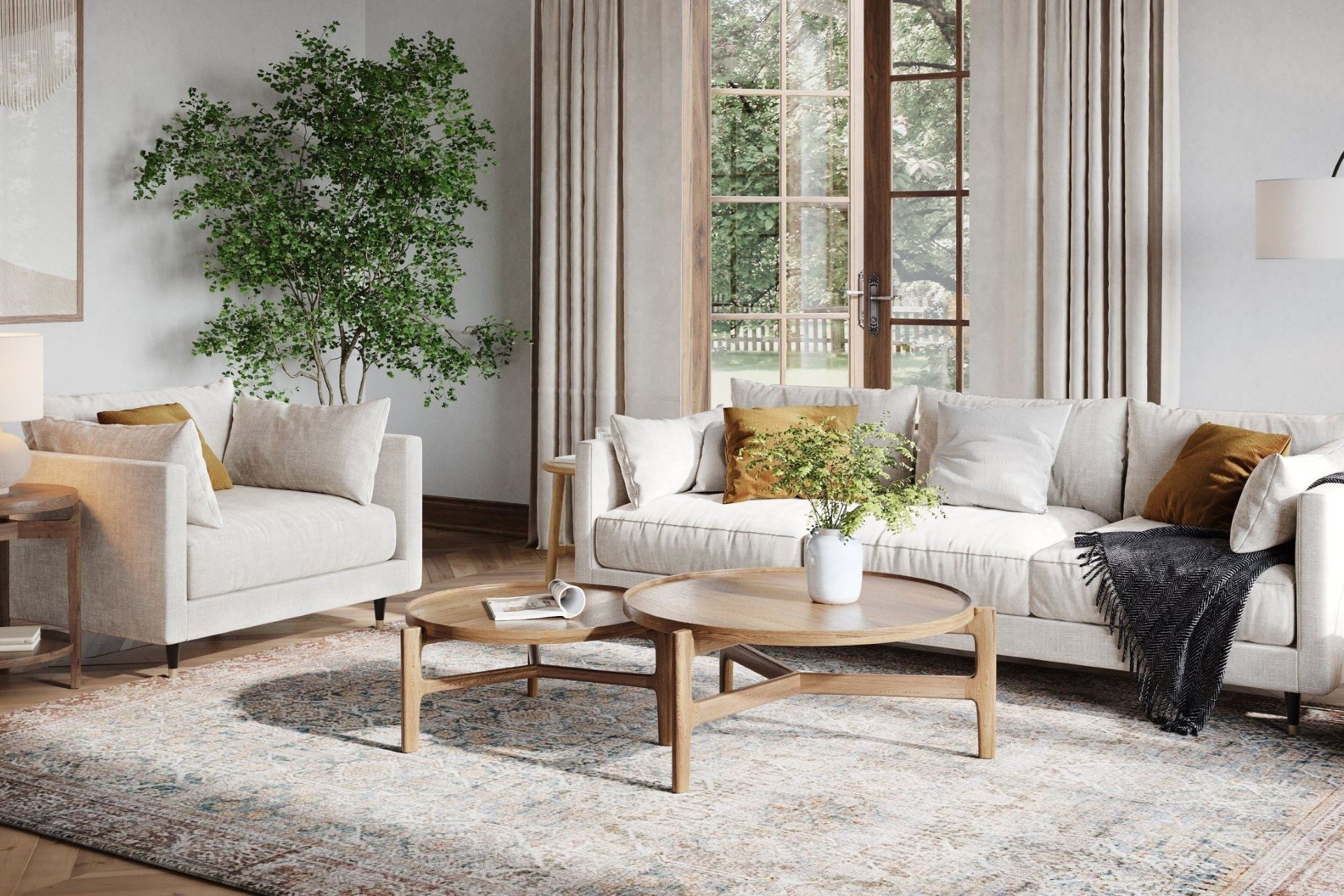
Run a hand along the arm of a well-made chair and you understand, in about a second, what you are dealing with. The depth of the lacquer. The density of the upholstery. The temperature of the metal. Luxury furniture has always made its case through the senses — which is precisely the challenge now that the first encounter with a piece almost never happens in person.
It happens on a screen. And on a screen, the surface has to do all the talking.
Luxury begins with the surface
What separates a fine dining table from an ordinary one is rarely the silhouette. It is the figure of the walnut, the precision of the joinery, the way the finish holds light at one angle and releases it at another. Buyers of premium furniture read these signals fluently, even when they could not name what they are reading. A surface that looks generic registers as generic — whatever the price tag says.
For premium furniture brands, 3d model texturing services can help communicate the subtle surface qualities that define luxury, from polished metal and deep wood grain to woven fabrics, leather texture, and hand-finished details. When the grain has real depth and the leather carries its natural variation, the image makes the same quality argument the physical piece would. When those details flatten out, the argument quietly disappears.
Authenticity is visible
Materials misrepresent easily in imagery. Marble can read as printed pattern rather than stone. Velvet can lose the pile that makes it velvet. Brushed brass can photograph as flat gold. Each of these small failures matters more in luxury than anywhere else, because material truth is the substance of the premium claim — a buyer paying for full-grain leather is paying, in part, for the visible character of full-grain leather.
The brands that present materials honestly and richly are not embellishing their products. They are translating them — carrying the workshop’s care for the surface into the medium where the buyer will first meet it.
The digital encounter is part of the luxury experience
A private client reviewing a digital catalogue, an interior designer assembling a presentation, a collector browsing a launch campaign from another continent: all of them are forming judgments about craftsmanship through images alone. Studios such as https://cgifurniture.com/ show how digital product visualization can support luxury brands with lifestyle renders, product images, animations, and AR-ready assets that keep presentation consistent across catalogs, websites, and client-facing materials.
That consistency matters more than it may appear. A house whose showroom is impeccable but whose ecommerce imagery is uneven is sending two different messages about its standards — and the buyer encounters the weaker one first.
Consistency protects what the brand has built
Premium positioning is cumulative. It is built from every encounter a client has with the brand, and it is only as strong as the least careful of them. The same finish should look like the same finish in the catalogue, on the website, in the reseller kit, and in the campaign — under presentation standards as exacting as the production standards behind the piece itself.
For luxury furniture houses, this is the quiet discipline behind desirability: the understanding that the image of the object is, for most of the world, the object.
The finest furniture presentation does not try to impress. It tries to be accurate — to the grain, the weave, the stitch, and the hand that made them. Get the surface right, and the craftsmanship speaks in the only language available before touch: the visible one.