Article prepared by our Media Partner Orizzonte Italia Magazine
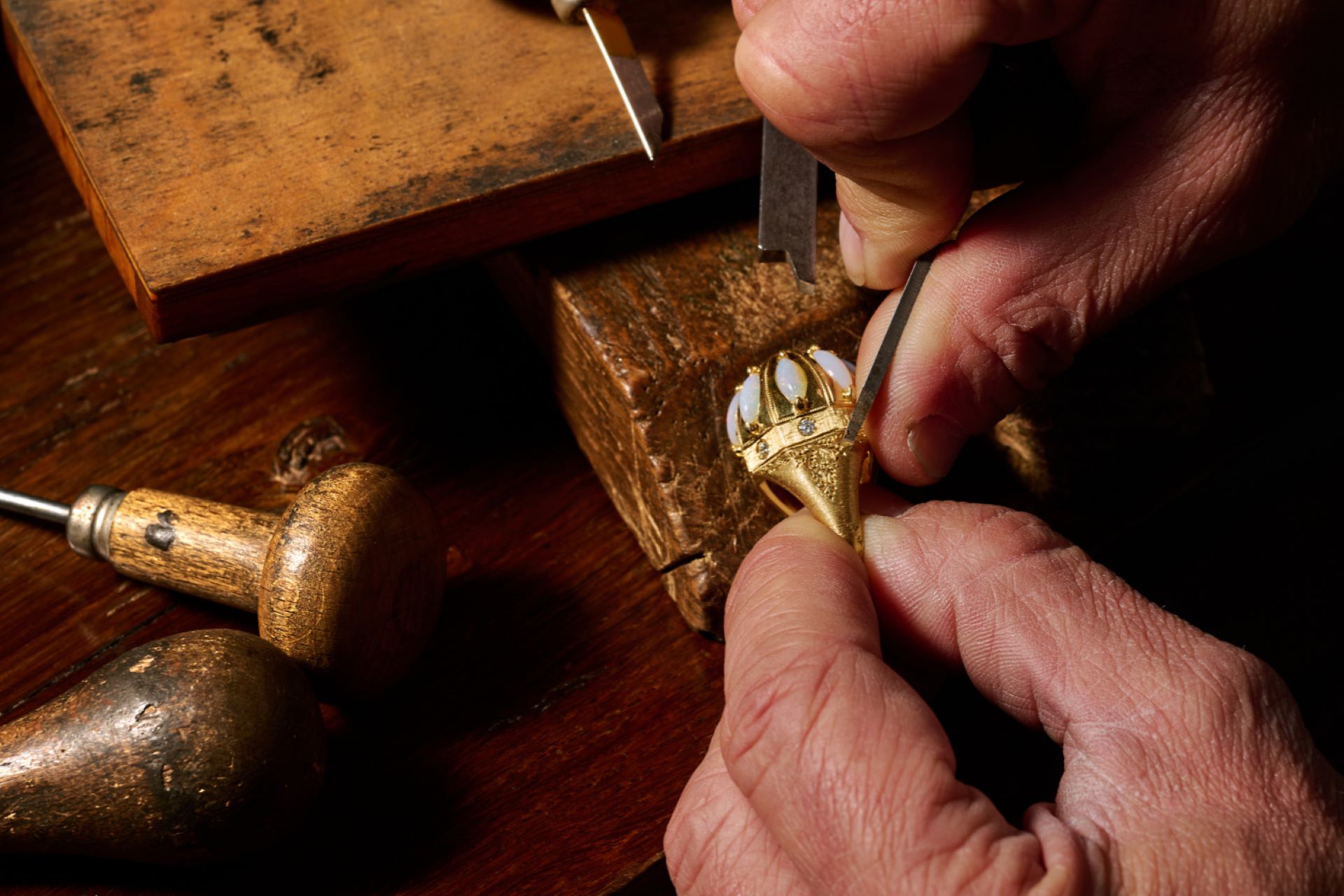
Would you like to discover true Florentine style and purchase something truly unique to wear? Then follow our tips… pack your bags, book a short stay in the heart of Florence, and enjoy an exclusive journey through the city’s historic workshops, where gold, precious stones, and fine fabrics take shape through creative minds and the skilled hands of master luxury artisans.
Florence, known as the cradle of the Italian Renaissance, is rich in places where history continues to live on—starting with its historic palaces, which welcome visitors in the very heart of the city for a luxury stay in a timeless atmosphere.
Sleeping beneath frescoed ceilings, along Renaissance staircases, and around hidden courtyards transforms a trip into a complete sensory experience, where every detail tells a story of centuries of art and beauty.
For this reason, if you truly want to immerse yourself in the most authentic and refined Florentine style, choosing a boutique hotel such as In Piazza della Signoria can make all the difference.
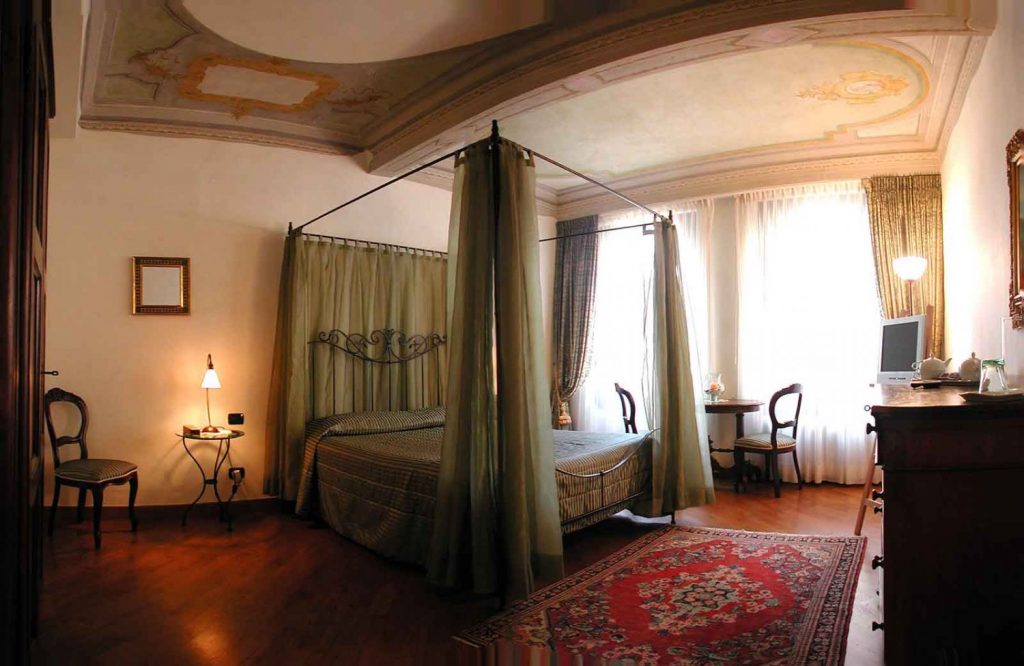
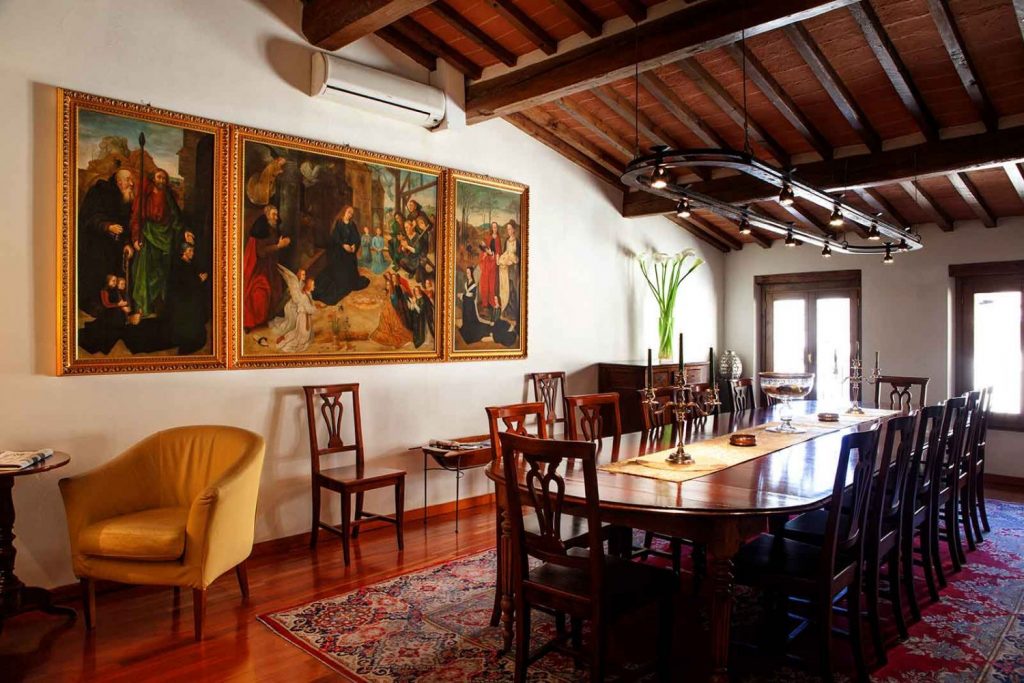
Staying in this historic residence means symbolically inhabiting the heart of Florence itself. Here, between Palazzo Vecchio and the Loggia dei Lanzi, luxury takes the form of an unparalleled location, enchanting views over the square and the Duomo’s dome, nighttime silence, and a dreamlike atmosphere. In every room and apartment, you’ll feel as though you are living the life of a noble from centuries past.
An equally fascinating alternative is Palazzo Castri, a true urban oasis just steps from the historic center. Its magic lies in the perfect blend of historic architecture, refined design, and a beautiful inner garden—ideal for unwinding after a day of shopping and culture.
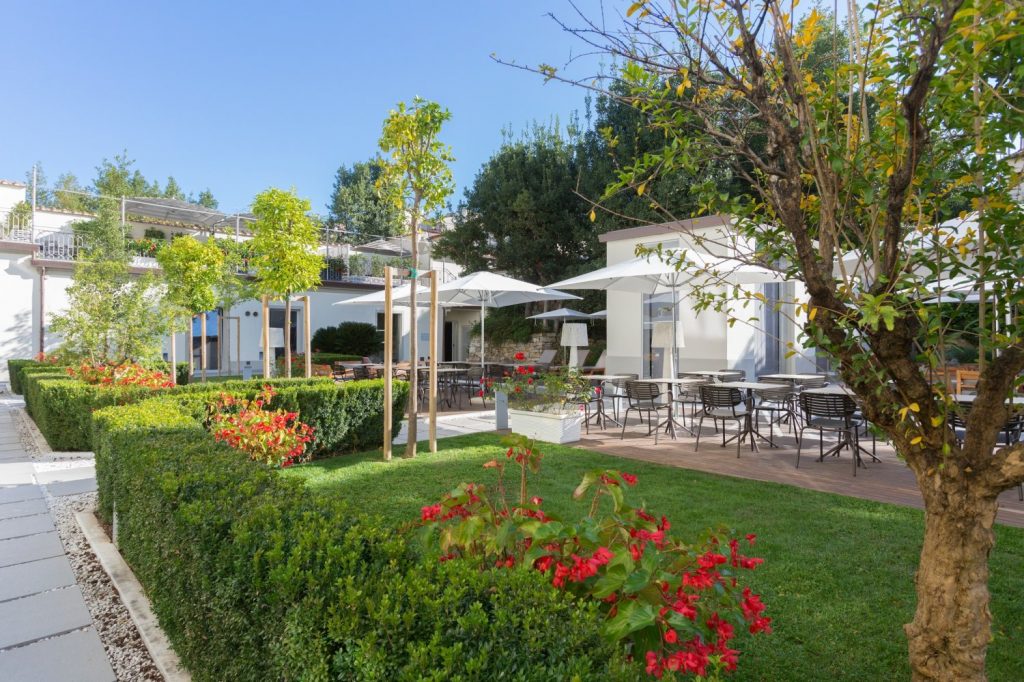
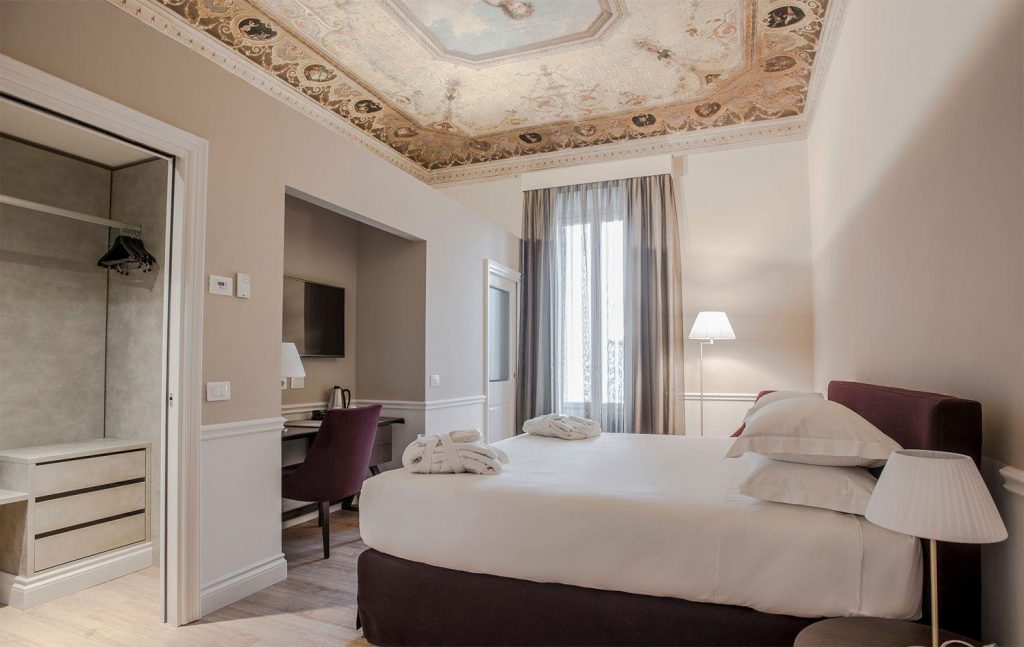
It is the perfect choice for those who appreciate discreet luxury, tranquility, and attentive hospitality, without sacrificing easy access to the city’s most renowned jewelry workshops and tailor-made ateliers.
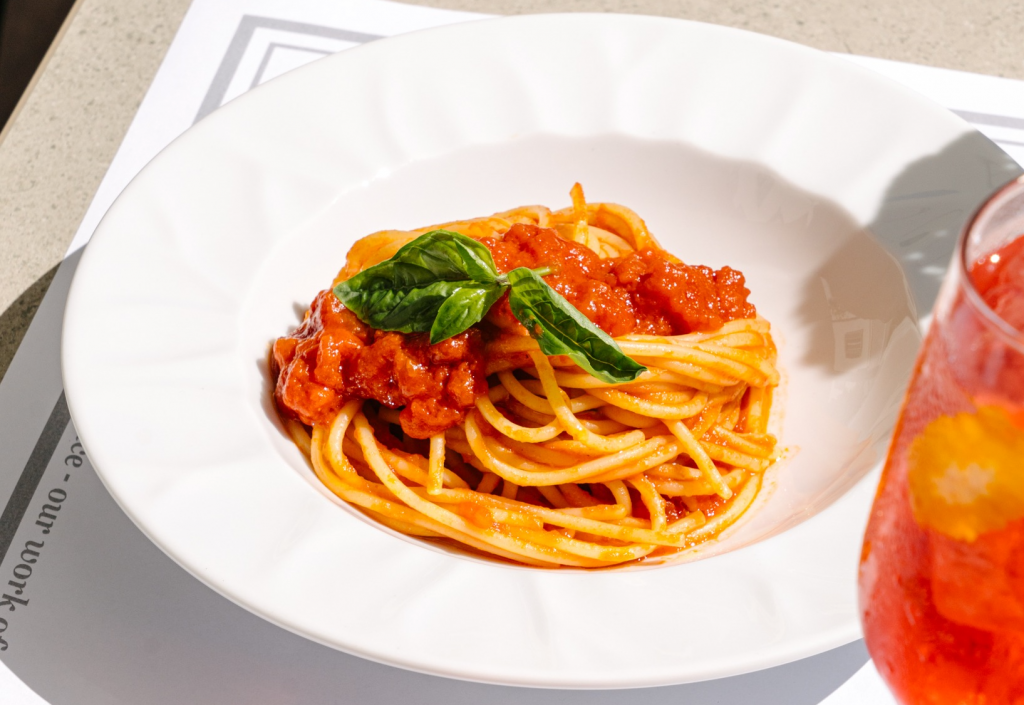
Bespoke Tailoring: Florentine Elegance Between Tradition and Contemporary Style
From modern design to classic details seamlessly blended within historic residences, the journey into Florentine style takes shape—finding one of its most authentic expressions in haute tailoring. Florentine tailoring is built on dialogue, attentive listening, and time-honored gestures: each garment is made to measure, shaped around the body and personality of the wearer. Clean lines, harmonious proportions, and precious materials define a sober elegance designed to stand the test of time.
Among the must-visit addresses is Tiziano Bacci, a benchmark for classic tailoring reinterpreted with contemporary sensitivity. Here, every bespoke garment is born from a dialogue between tailor and client: ideas, desires, and personality merge with artisanal mastery to create unique, elegant, and timeless pieces—designed to enhance the wearer and transform the ordinary into the extraordinary.
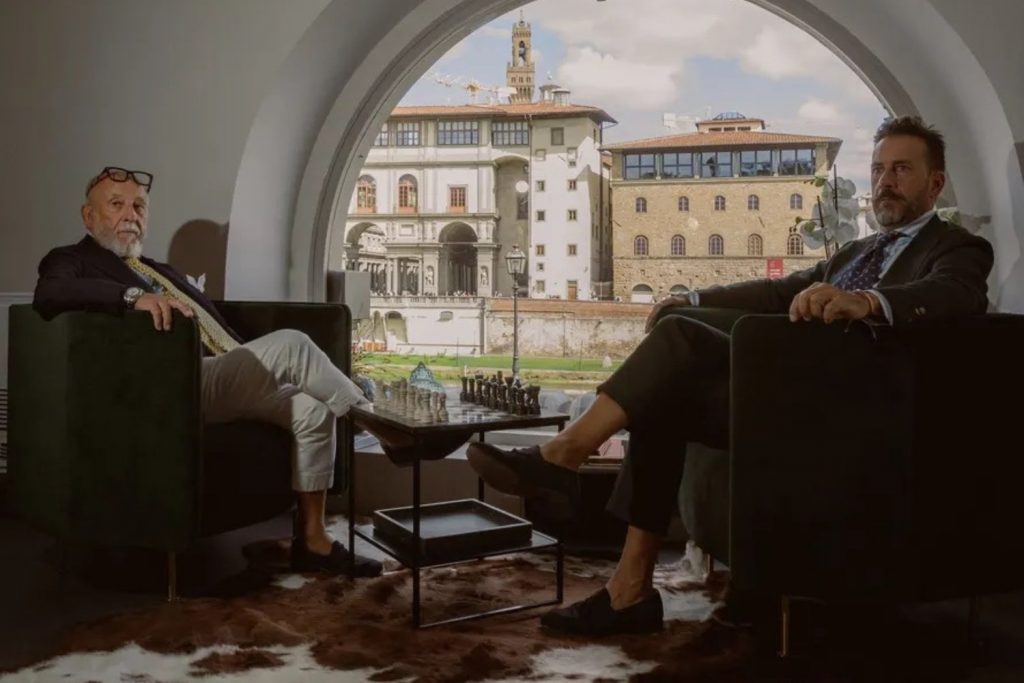
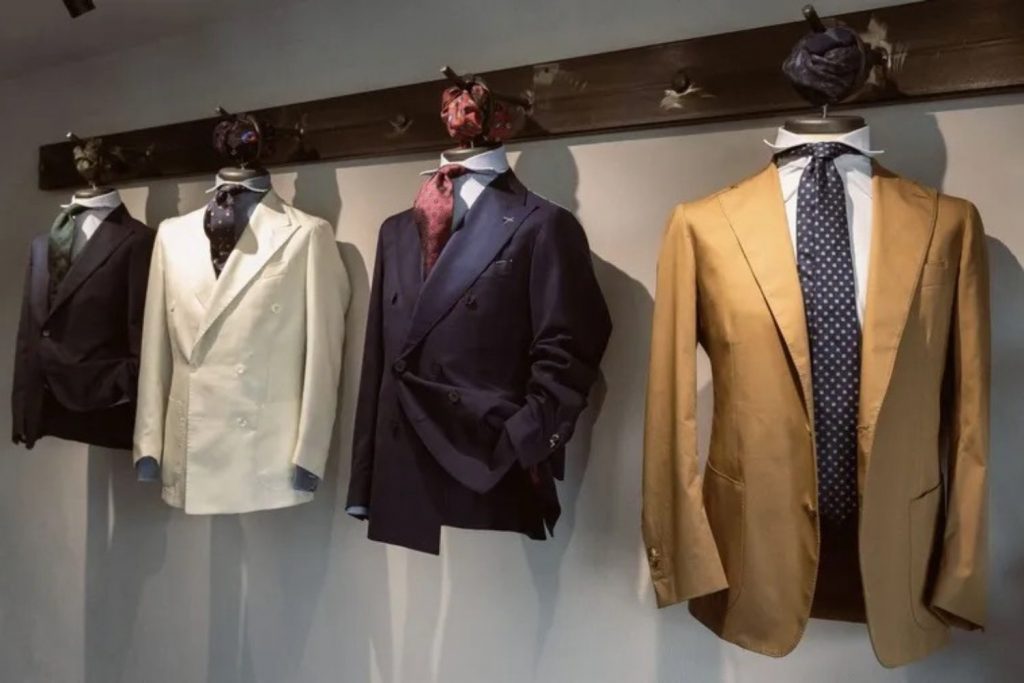
Crossing the threshold of this atelier, overlooking the Uffizi Gallery and Ponte Vecchio, you are welcomed into a warm and refined atmosphere filled with fine fabrics, clean lines, and lovingly curated details. Here, tailoring is not just work—it is art, passion, and dedication.
Just steps from Piazza della Repubblica, Piero Puliti embodies the purest sartorial tradition. In his workshop, time seems to slow down, and every garment represents the essence of Tuscan elegance.
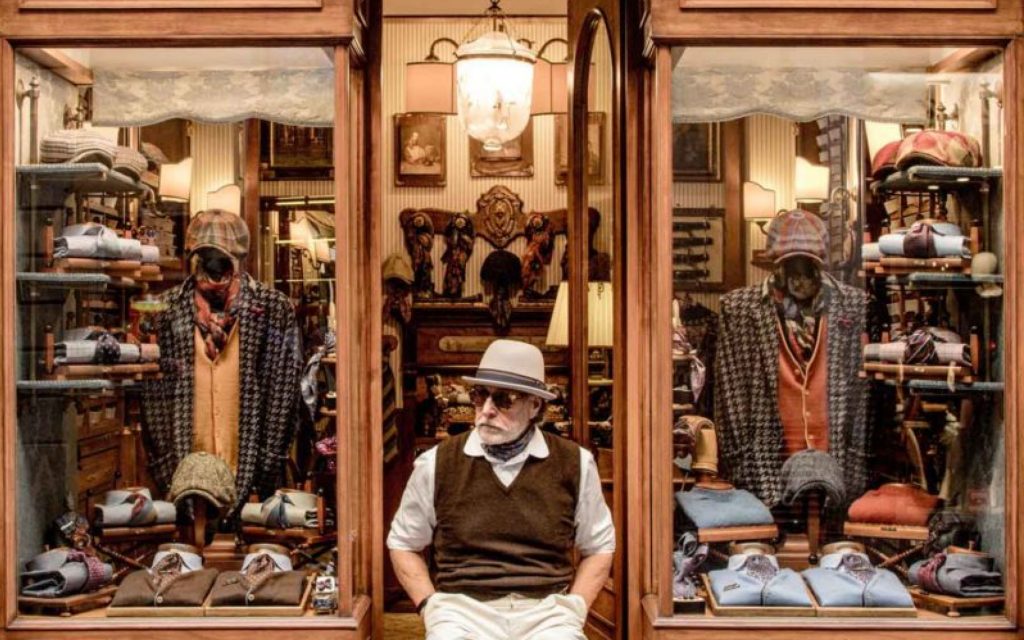
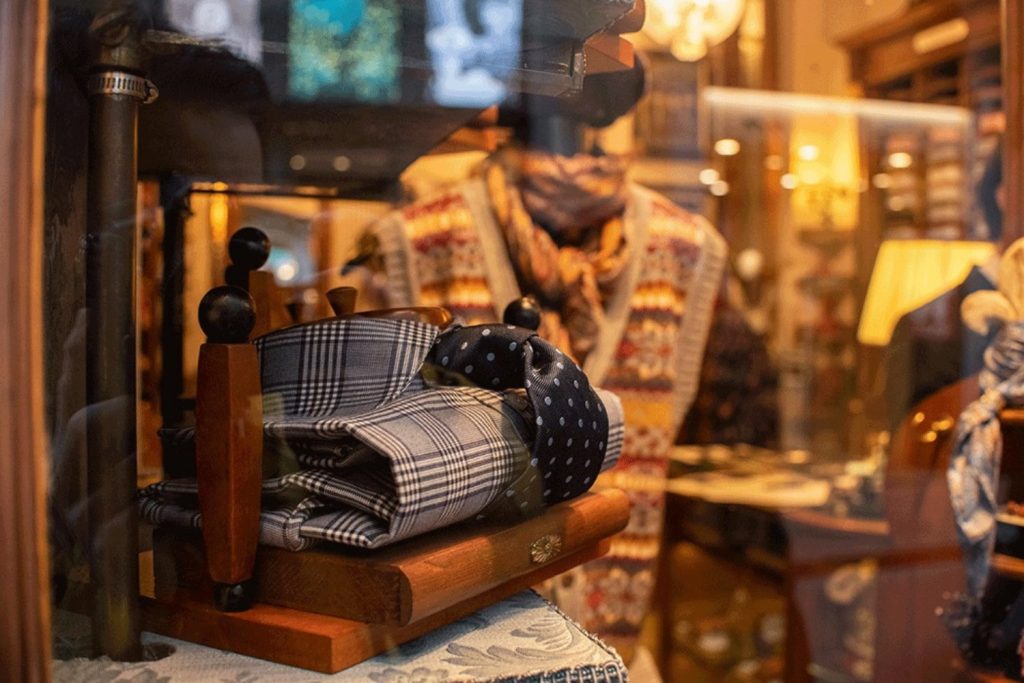
His bespoke and ready-to-wear shirts, in particular, are the brand’s hallmark. If you are searching for something authentic, refined, and 100% Made in Italy, here you will find menswear and accessories that combine style, quality, and true sartorial heritage.
A fashion vision rooted in Neapolitan tailoring tradition while engaging in dialogue with contemporary style—achieving a refined balance between classicism and innovation—is at the heart of every creation by Sagliano.
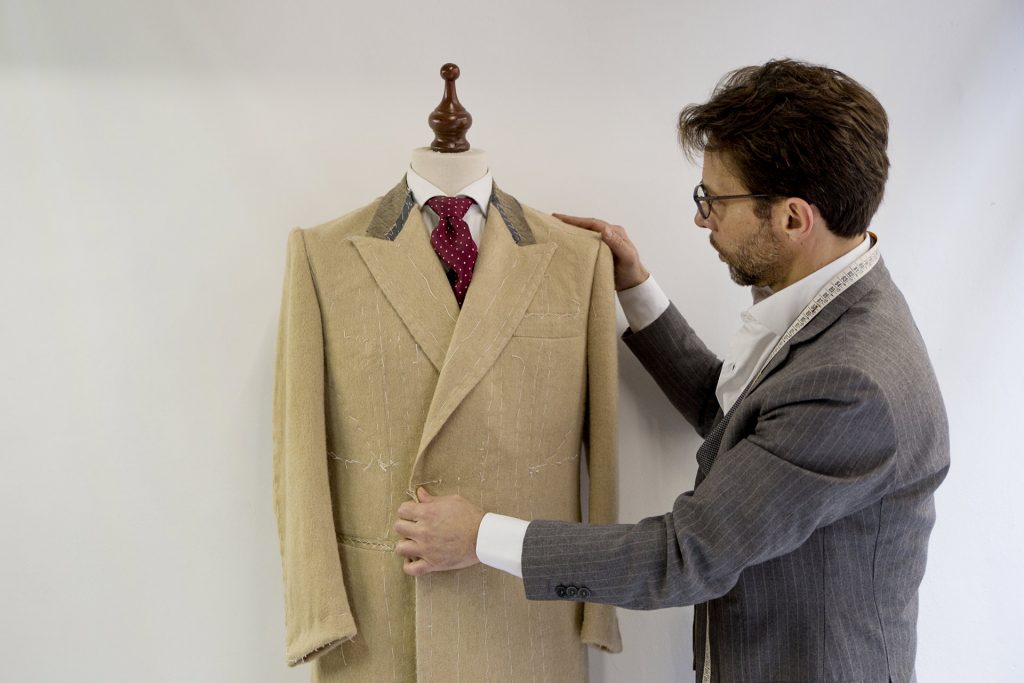
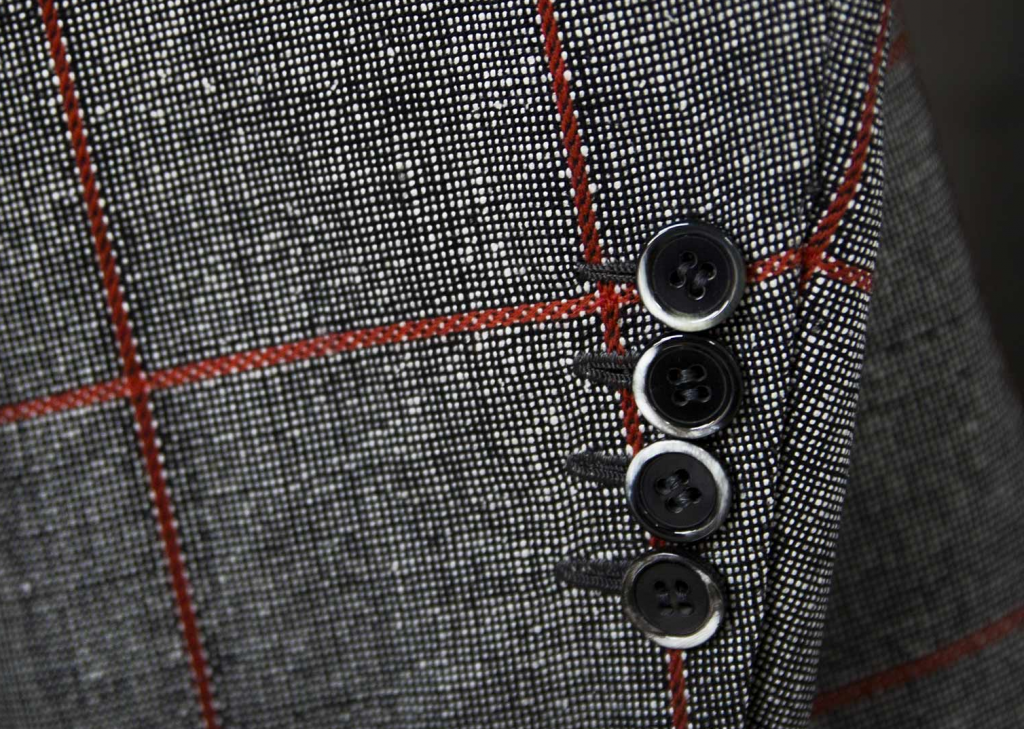
In this tailoring house, located in the very center of the city, you can find an elegant yet versatile bespoke garment whose perfect fit is not merely a matter of technique, but of understanding the body, personality, and style of the wearer.
Soft cuts, balanced volumes, and understated yet sophisticated colors define a discreet elegance—perfect for those who wish to stand out without excess.
Florentine Goldsmithing: a Tradition Born in the Workshops
Any journey into Florentine style would be incomplete without discovering the art of goldsmithing—an authentic excellence deeply rooted in the city’s history.
Florentine Goldsmith Style originated during the Renaissance, around the mid-16th century, in the workshops of Florence, where tradition and artisanal mastery have been handed down through generations. It is distinguished by the handcrafted working of precious metals—gold and silver—by richly three-dimensional surfaces enhanced by light and shadow, by engravings created using traditional techniques such as piercing and chasing, and by the balanced use of precious stones, hand-set in harmony with the gold.
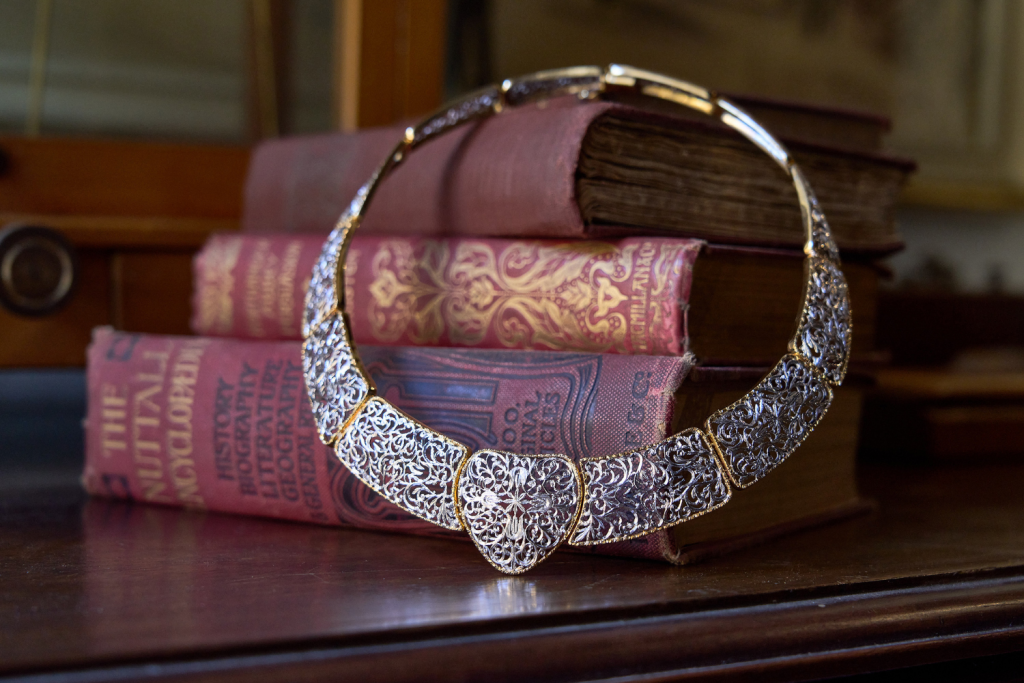
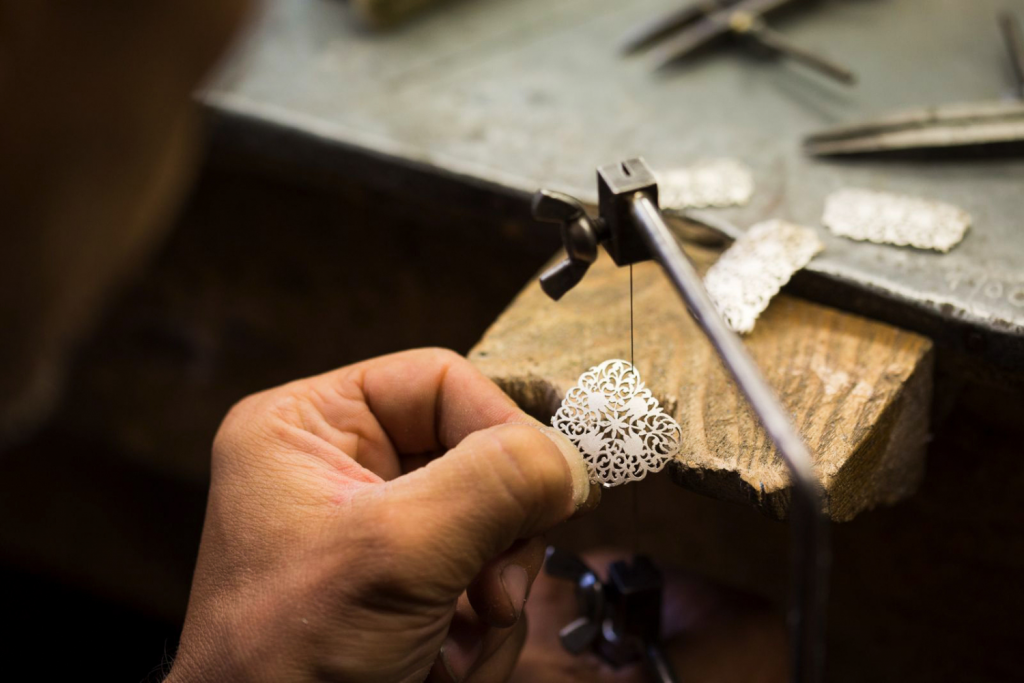
Its inspiration comes from the decorative motifs of Renaissance aesthetics: ornamental designs found in silk and gold textiles, leaves and vines carved into wood, rosettes, as well as the geometric elements of Florence’s churches. All these elements are echoed and seamlessly blended, following principles of balance and proportion, in Florentine goldsmith jewelry still designed and produced today by master Florentine artisans.
To protect and promote this heritage, the Florentine Goldsmith Style Consortium was established, bringing together artisans, companies and institutions from the Florence metropolitan area committed to safeguarding one of the most refined traditions of Made in Italy.
The Consortium was the first in Italy to launch the process to obtain PGI (Protected Geographical Indication) recognition for a non-food artisanal product: Florentine Goldsmithing. This designation is governed by a historic and technical code that defines its distinctive features and strict production standards.
The area of Florence where the ancient knowledge of Florentine goldsmithing took shape in workshops starting in the 16th century is Ponte Vecchio.
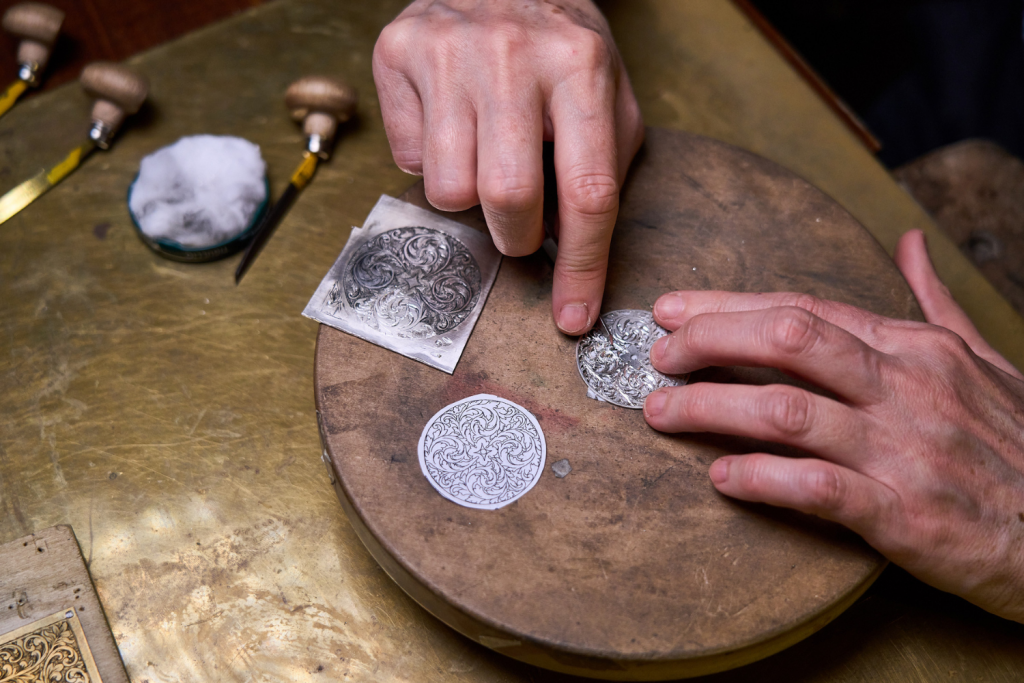
An unmissable stop if you wish to purchase a piece of jewelry that fully embodies the values of this tradition: here you will find unique creations, refined craftsmanship and a timeless aesthetic.
A weekend dedicated to discovering craftsmanship is far more than a shopping experience—it is a journey into tradition. Between a bespoke garment and a handcrafted jewel, you will return home with something that never goes out of style and that tells a story. And in this, Florence remains truly unrivalled.
About Orizzonte Italia Magazine

- “Orizzonte Italia Magazine: the essential guide for your travels in Italy. The Magazine creates the horizon of Made in Italy for luxury tourism in Italy for the last 25 years. The glossy magazine accompanies the tourist along the magnificent itineraries of the Italian peninsula, narrating the history through services, features, and articles dedicated to tourism, fashion, art, and shopping. A fascinating, engaging guide that provides its readers with information and details necessary to fully achieve their dreams.
For more information, please visit: www.orizzonteitalia.com
Like us on Facebook: @orizzonteitaliamagazine
Join us on Instagram: @oimagazine
Join us on Twitter: @OI_Magazine