In a market where architectural integrity and long-term value increasingly define premium real estate, UNUM – Architecture and Rehabilitation has established a clear position through its analytical, client-focused approach to design. This direction has been further reinforced by its recognition from the Luxury Lifestyle Awards in the category of Best Luxury Mixed-Use Architect Visualization & Design in Portugal, reflecting the firm’s ability to translate complex urban challenges into coherent, high-performing architectural solutions.
A Practice Defined by Precision and Adaptability
Founded in 2012, UNUM– Architecture and Rehabilitation operates as a multi-sector practice spanning residential, commercial, and mixed-use developments. Its work is characterized by a structured yet flexible methodology, where each project begins with a detailed understanding of client objectives, spatial requirements, and long-term use. This early-stage clarity allows the studio to develop tailored architectural strategies that respond directly to context, function, and investment considerations.
Central to the firm’s approach is continuous collaboration. Dedicated project teams maintain consistent communication with clients, consultants, and contractors, ensuring that design intent is preserved from concept through execution. This coordination supports both technical rigor and design consistency, particularly in projects where regulatory, structural, and operational constraints must be carefully balanced.
Saldanha Residences – Repositioning a Historic Asset
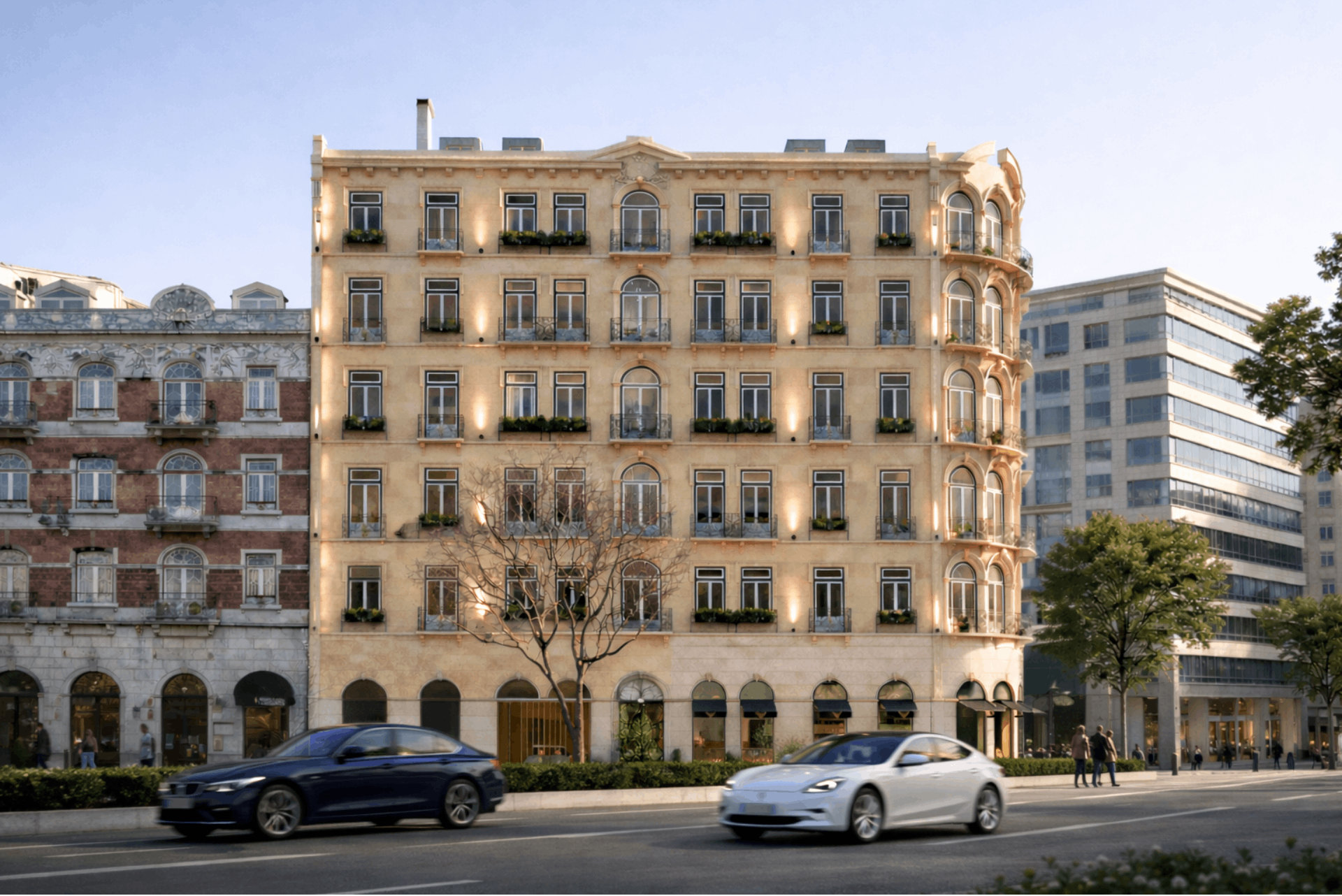
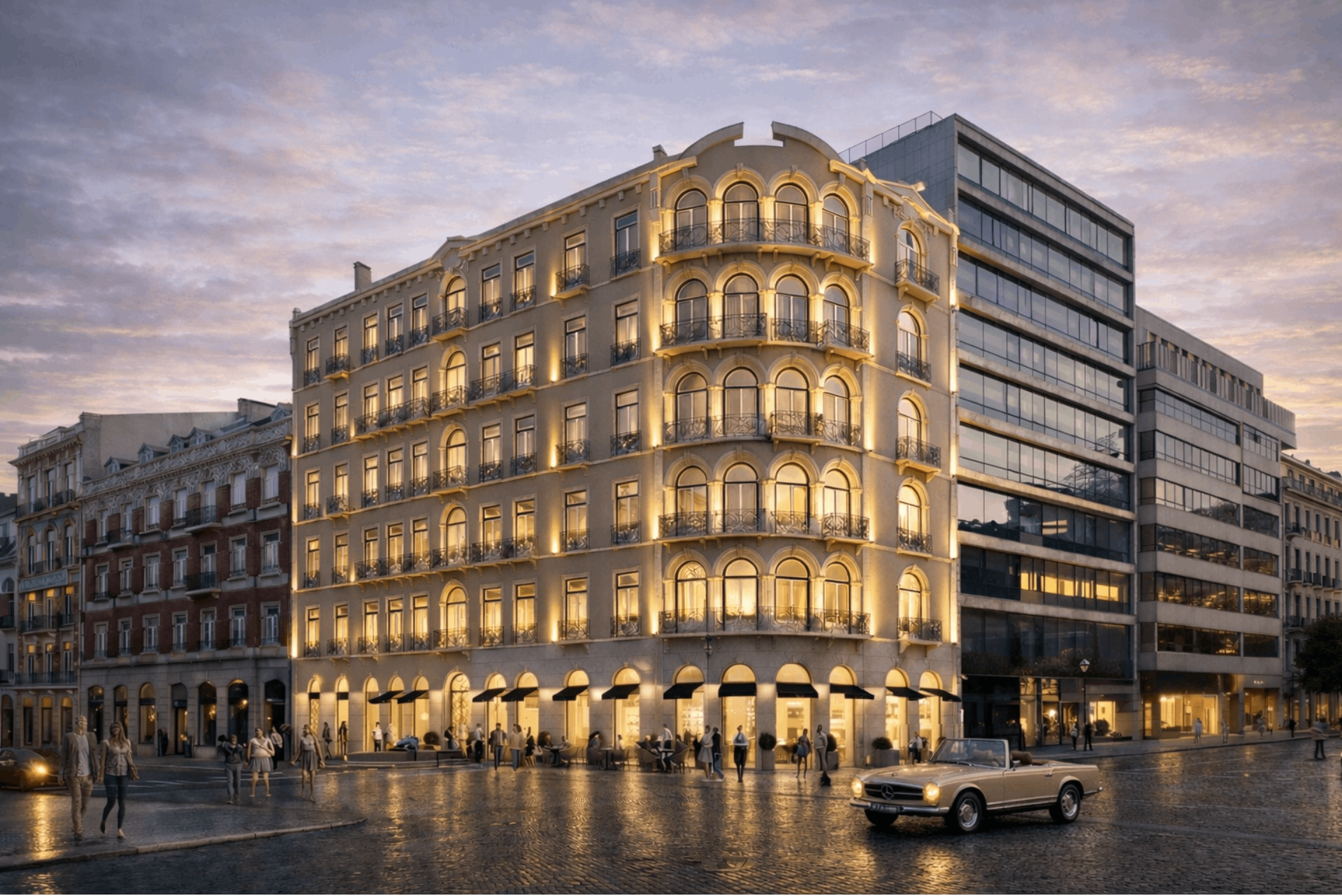
The Saldanha Residences project in Lisbon exemplifies UNUM – Architecture and Rehabilitation’s capacity to work within complex urban conditions while delivering a refined residential outcome. Located at Praça Duque de Saldanha, one of the city’s most established and strategically connected areas, the development focuses on the rehabilitation and expansion of an early 20th-century building originally constructed in 1919.
Rather than pursuing demolition, the project adopts an adaptive reuse strategy, preserving the building’s architectural identity while upgrading its performance to meet contemporary standards. This approach contributes to both environmental efficiency and urban continuity, extending the lifecycle of the existing structure while reinforcing its presence within the surrounding fabric.
Architectural Continuity with Contemporary Performance
The design maintains the original façade composition, respecting proportions and rhythms that define the district’s architectural language. At the same time, contemporary interventions introduce improved spatial layouts, enhanced thermal performance, and updated construction systems. This balance between preservation and modernization allows the building to remain contextually relevant while meeting current expectations for comfort and efficiency.
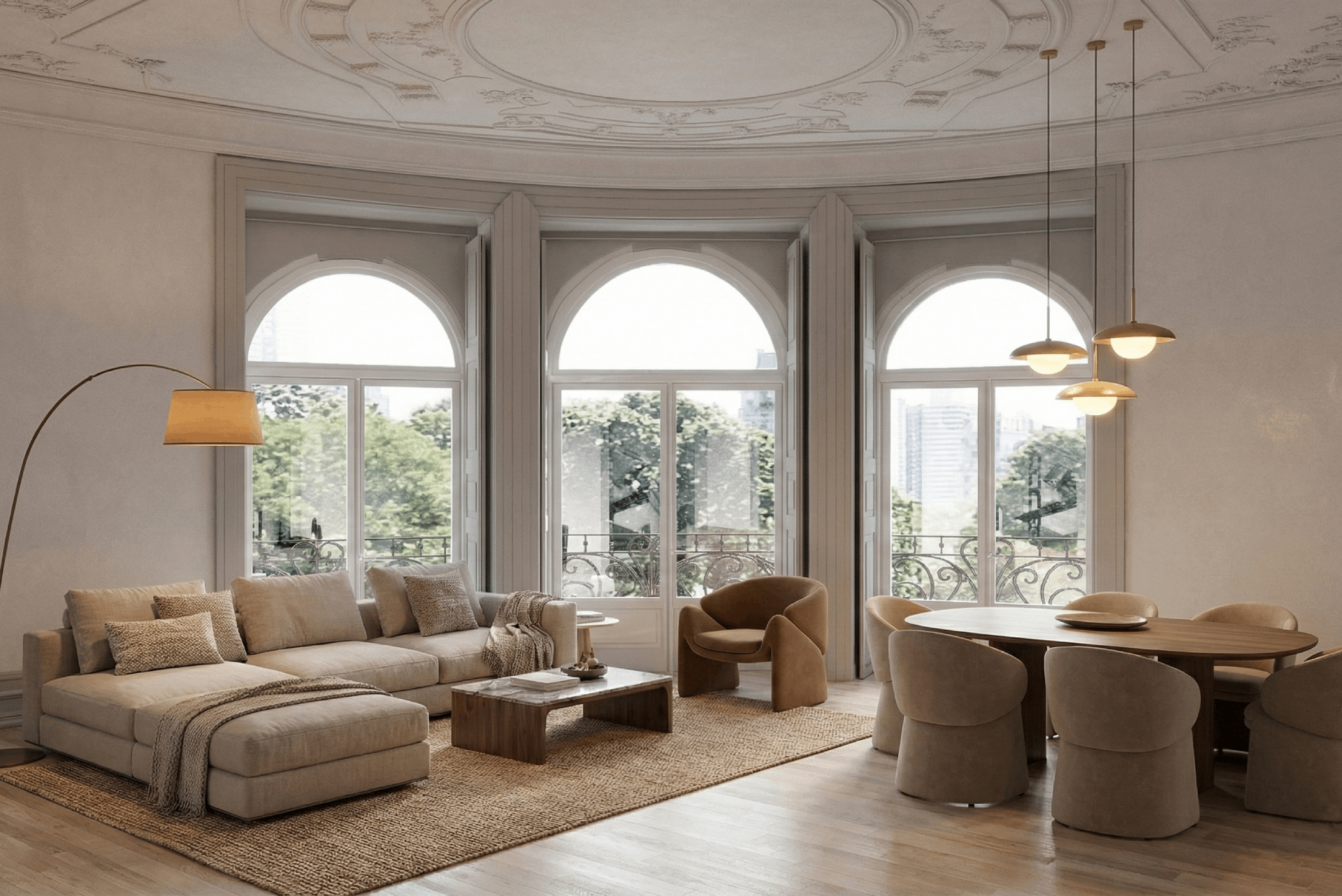
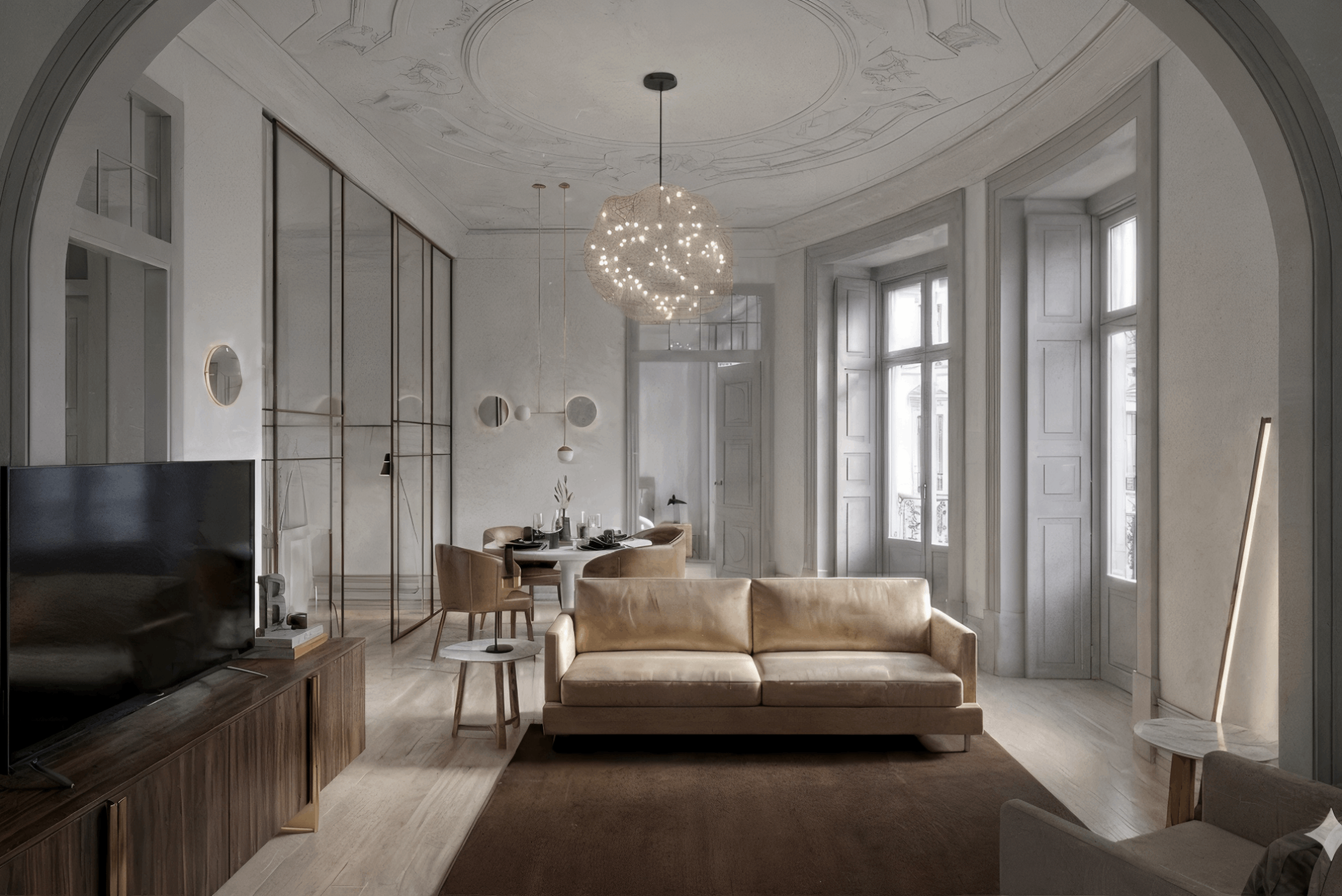
Internally, the residential program prioritizes generous layouts, flexibility, and access to natural light. Private outdoor spaces – including balconies and terraces – extend the living environment, a feature that remains relatively limited in central Lisbon developments. The inclusion of a ground-floor commercial unit further strengthens the project’s relationship with the public realm, contributing to urban activity and accessibility.
Material Strategy and Long-Term Value
Material selection plays a defining role in the project’s positioning. The use of natural stone, certified wood, and durable finishes supports both aesthetic clarity and long-term performance. These choices are aligned with a broader emphasis on lifecycle value, where durability and reduced maintenance requirements are considered integral to the architectural outcome.
In parallel, the integration of passive design strategies – including natural ventilation, optimized daylighting, and improved insulation – contributes to reduced operational energy demand. These measures are complemented by efficient building systems and provisions for future technological upgrades, ensuring that the development remains adaptable over time.
A Low-Density Residential Model
The project’s low-density configuration reinforces its residential positioning, offering a limited number of units with above-average floor areas. This approach supports privacy and spatial quality while aligning with demand for more considered, long-term residential investments. Shared wellness and fitness amenities further extend the functionality of the building, creating a cohesive living environment that integrates daily comfort with architectural clarity.
Architecture as a Strategic Tool
UNUM – Architecture and Rehabilitation’s role in the project encompassed the full architectural scope – from concept development and planning coordination to façade design and consultant integration. This comprehensive involvement enabled the firm to maintain control over both design direction and technical execution, ensuring alignment between vision and delivery.
More broadly, the project reflects the firm’s perspective on architecture as a strategic tool – one that supports not only spatial quality but also asset performance, urban integration, and long-term relevance. By combining design precision with contextual sensitivity, UNUM – Architecture and Rehabilitation continues to contribute to the evolution of Lisbon’s high-end residential landscape.
Discover more: https://unum.pt/