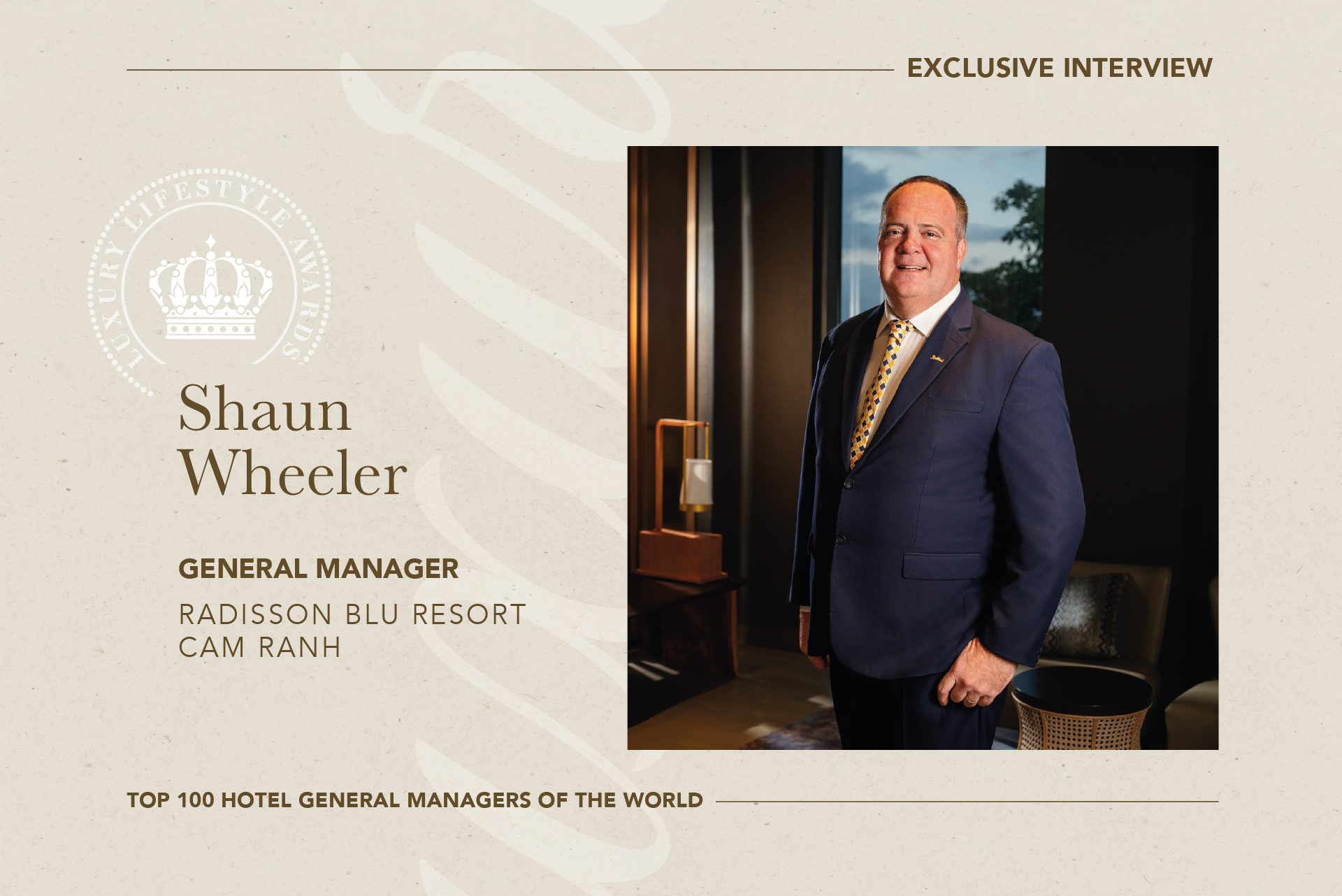
Shaun Wheeler, General Manager of Radisson Blu Resort Cam Ranh, has built his career with a consistent focus on hotel operations, people leadership, and the guest experience. Recognized among the TOP 100 Hotel General Managers of the World in both 2024 and 2025, by Luxury Lifestyle Awards , his professional perspective reflects a long-term engagement with the hospitality sector and its evolving demands.
In conversation with Alexander Chetchikov, President of the World Luxury Chamber of Commerce, Wheeler discusses leadership responsibility, the meaning of luxury today, and the standards and details required that guide hotel management in a global environment.
Alexander Chetchikov: First of all, congratulations on being recognized among the TOP 100 Hotel General Managers worldwide. Looking back, was hospitality always the career path you envisioned for yourself?
Shaun Wheeler: Thank you very much for your kind congratulations. Hospitality was not something I had initially planned as a lifelong career. I wanted to be an archeologist but over time, working part-time in a restaurant, I discovered a genuine passion for serving people and creating meaningful experiences. The industry gradually chose me, and the more I learned and grew within it, the more confident I became that hospitality was the right path for me.
AC: How did your early influences shape your decision to enter the hospitality industry?
SW: Looking back, my early influences played a big role in guiding me into hospitality, even if I didn’t fully realize it at the time. I grew up around people who valued hard work, respect, and taking care of others, and those values stayed with me. Early in my career, I was inspired by mentors who showed me that hospitality is not just about hotels or restaurants, but about people, emotions, and memories. Seeing how a simple gesture could make someone feel welcomed and valued truly shaped my mindset and confirmed that this was the industry where I belonged.
AC: How do you define the role of a general manager in today’s hospitality landscape?
SW: After more than 30 years in hospitality, I see the role of a general manager as far more than overseeing operations. Today, a GM is a leader, a listener, and a culture-builder. We are responsible not only for performance and results, but for creating an environment where teams feel respected, motivated, and proud of what they do. At the same time, we must stay closely connected to our guests, understanding their changing expectations and ensuring every experience feels genuine and memorable. In today’s landscape, a successful GM balances business discipline with empathy, adaptability, and a clear vision for the future.
AC: What does the concept of luxury represent to you in a hotel context?
SW: After 30 years in hospitality, my understanding of luxury has evolved significantly. Today, luxury is no longer only about formality, excess, or rigid standards. In a hotel context, luxury means giving guests time, space, and genuine care whilst always respecting their culture and needs. About intuitive service, and the feeling that every detail has been thoughtfully considered without being intrusive. It’s about authenticity, emotional connection, and wellbeing – where quality, sustainability, and human touch matter more. When guests leave feeling relaxed, understood, and truly valued, that’s real luxury to me.
AC: How do you approach benchmarking and evaluating in-room comfort?
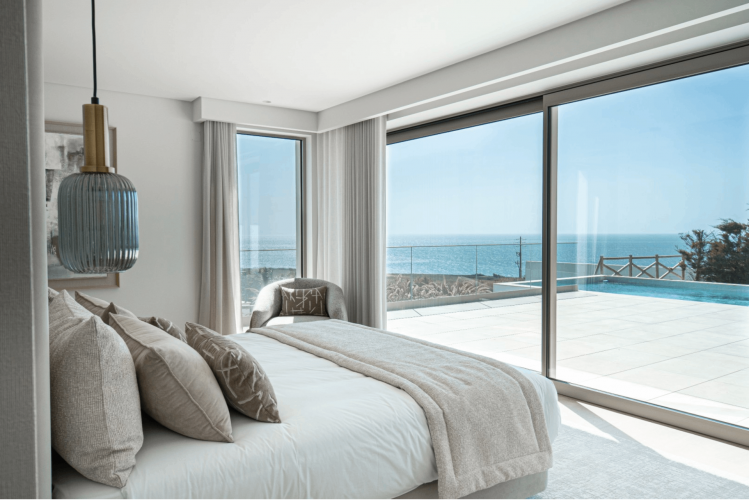
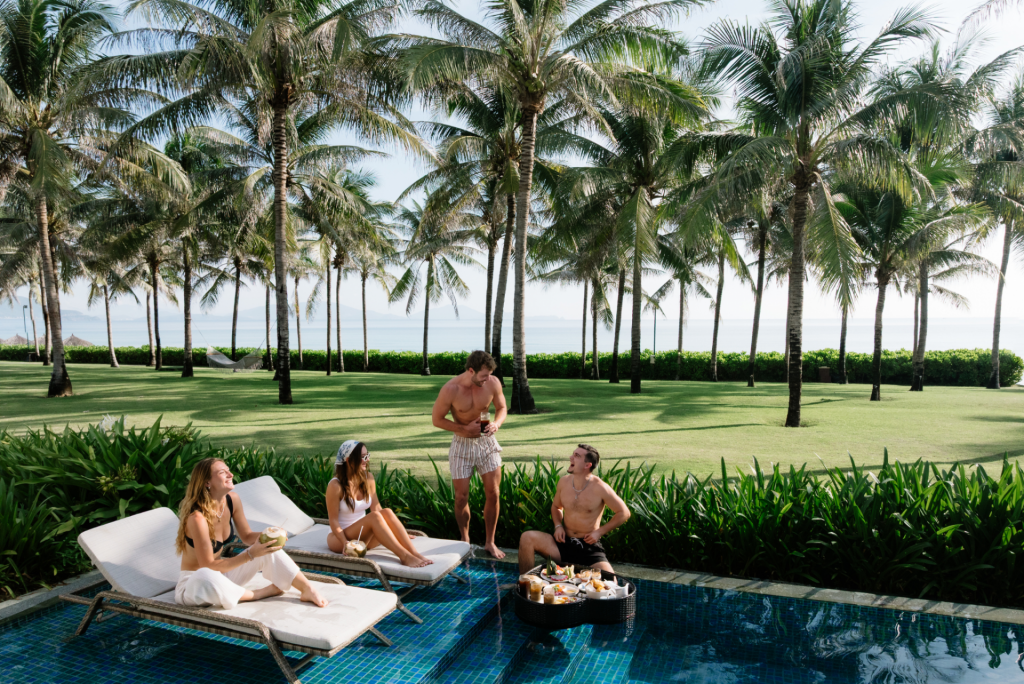
SW: My approach to in-room comfort is very grounded and guest-focused. I always start by putting myself in the guest’s position-how the room feels the moment you walk in, how well you sleep, how natural it is to relax and enjoy the view. Benchmarking is not only about comparing specifications or brand standards; it’s about understanding how guests actually use the space. We look closely at sleep quality, lighting, sound, temperature control, and the flow of the room, especially how the indoor space connects with the sea view. Guest feedback, repeat stays, and small behavioral details often tell us more than any checklist. True in-room comfort is achieved when the room feels intuitive, calming, and effortless—where guests don’t have to think about comfort, they simply
AC: How would you describe your management style when leading a hotel team?
SW: My management style is built on trust, respect, and presence. I believe in leading by example-being visible on the floor, listening to my team, and understanding the challenges they face every day. A hotel only performs well when its people feel valued and supported. I focus on empowering my team rather than controlling them, giving clear direction while allowing space for initiative and growth. At the same time, I truly believe in accountability and consistency, because structure creates confidence and clear direction. For me, strong leadership is about balancing empathy with discipline, and creating a culture where people feel proud of their work and are motivated to deliver genuine hospitality.
AC: What changes have most significantly impacted the hospitality industry in recent years?
SW: I’ve seen many changes in hospitality, but the most significant shift in recent years has been how guest expectations have evolved. Today’s guests are far more informed, experience-driven, and emotionally aware. They value authenticity, personalization, and meaningful connections just as much as comfort and service. Technology has also transformed this industry, not to replace human interaction, but to support it-making experiences smoother and more intuitive. At the same time, there is a stronger focus on wellbeing, sustainability, and work-life balance, both for guests and for our teams. Perhaps the biggest change is the realization that hospitality is no longer just about delivering a product, but about creating feelings, trust, and memorable moments that guests carry with them long after they leave.
Lastly, I would say that recognition has become a huge factor that guests expect as they value their loyalty more now than ever before and want to see it recognized and valued. Through his perspective, Shaun Wheeler outlines a view of hotel leadership grounded in consistency, standards, and responsibility to both people and performance. His approach reflects the evolving expectations placed on general managers, where operational oversight, strategic thinking, and guest-centric focus must coexist within a complex global hospitality environment.
Discover more about Radisson Blu Resort Cam Ranh: https://www.radissonhotels.com/en-us/hotels/radisson-blu-resort-cam-ranh.