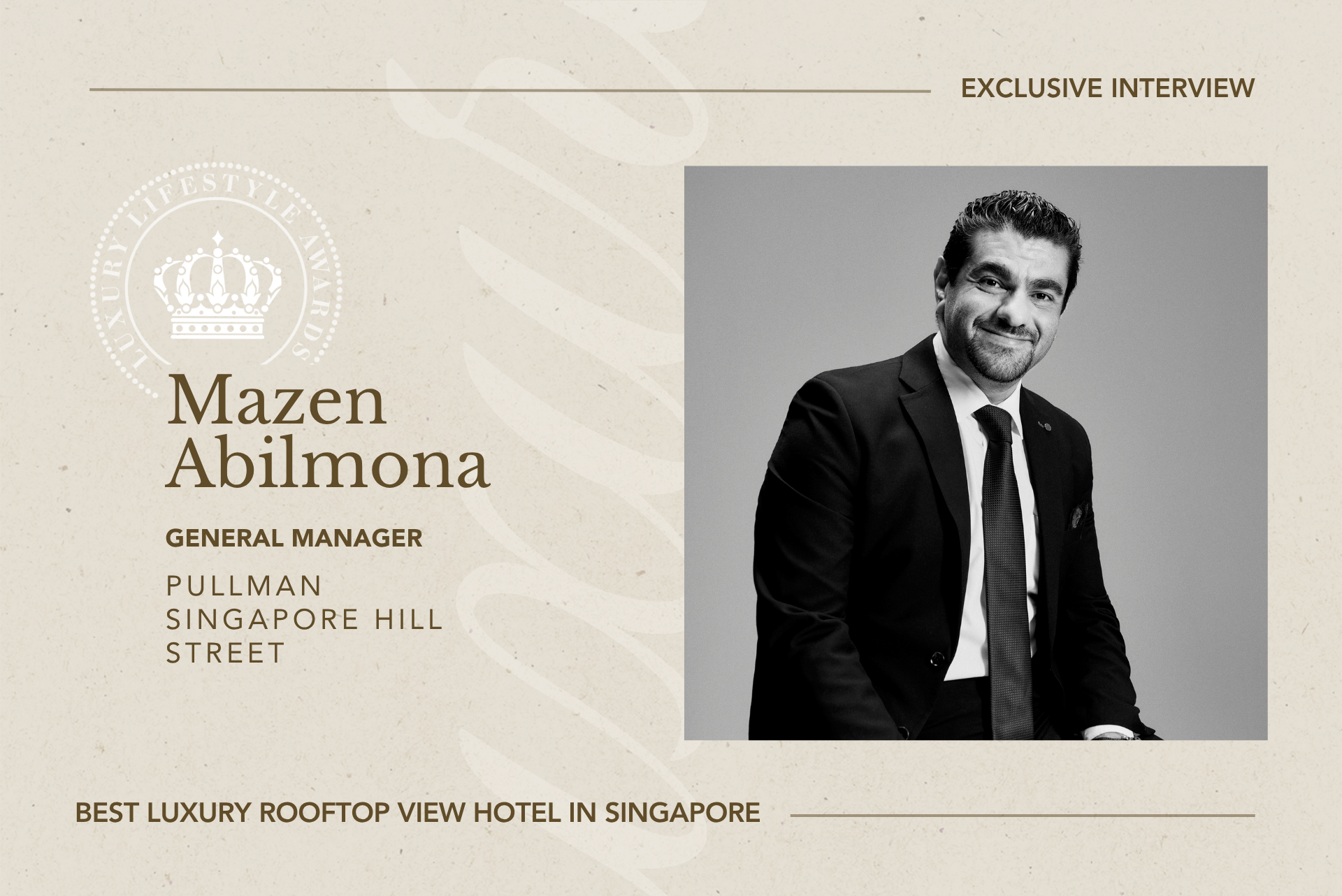
Located in Singapore’s cultural and civic district, Pullman Singapore Hill Street represents a contemporary interpretation of urban hospitality, combining design-driven experiences, destination dining, and sustainability-led operations. The hotel was recognized by Luxury Lifestyle Awards as the Best Luxury Rooftop View Hotel in Singapore, 2026. In this conversation with Alexander Chetchikov, President of the World Luxury Chamber of Commerce, General Manager Mazen Abilmona discusses how the property integrates cultural storytelling, rooftop experiences, and responsible practices to shape a modern luxury stay.
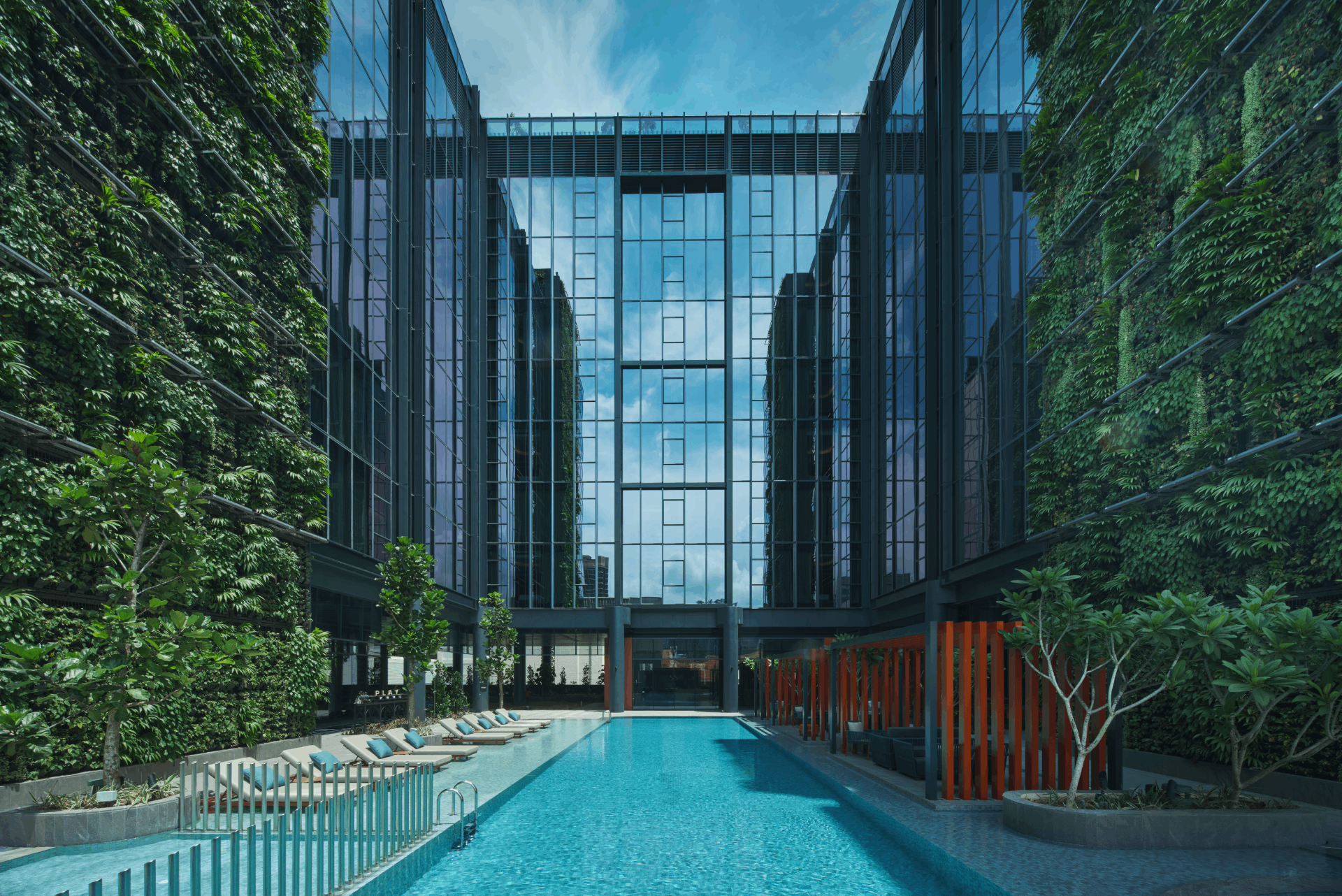
Alexander Chetchikov: Pullman Singapore Hill Street presents a distinctive interpretation of urban hospitality. How would you describe the philosophy guiding the hotel’s identity and guest experience?
Mazen Abilmona: At Pullman Singapore Hill Street, our philosophy is centred on creating a seamless and dynamic guest journey—one inspired by the efficiency, comfort, and sophistication of luxury train travel, reinterpreted for the modern urban traveller.
The design draws from the structured yet fluid nature of train journeys, where each space serves a clear purpose while remaining interconnected. We have translated this into a contemporary hospitality environment where guests can move effortlessly between work, social interaction, and relaxation.
It is ultimately about delivering a highly functional yet elevated experience—where comfort, connectivity, and design come together to support the needs of today’s global traveller.
AC: Rooftop experiences have become a defining feature of the property. How do you view their role within the overall hospitality concept?
MA: Within our concept of movement and progression, the rooftop represents a key transition point—an open, energetic space that contrasts with the more structured interiors of the hotel.
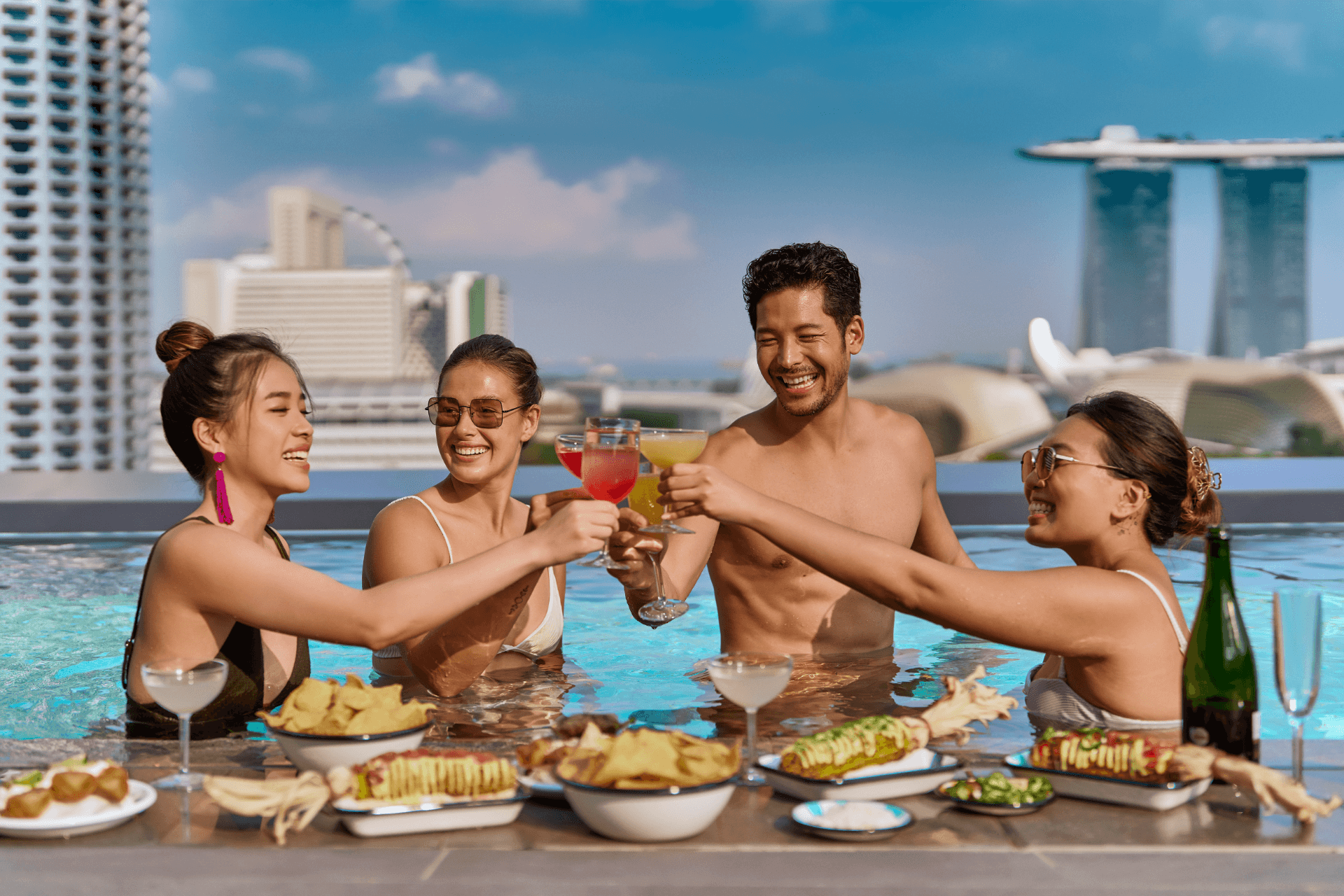
At El Chido, we introduce a unique Mexican-inspired concept that is highly social, open, and inviting by design. The space is intentionally relaxed, encouraging interaction and connection, whether among hotel guests or the wider community. This creates a natural energy that evolves throughout the day, from a laid-back daytime setting to a more vibrant evening atmosphere.
It plays an important role in our overall hospitality concept, offering a distinct yet complementary experience—one that brings people together while reflecting the dynamic spirit of Singapore.
AC: Design storytelling appears central to the property’s identity. How does this narrative translate into the daily guest journey?
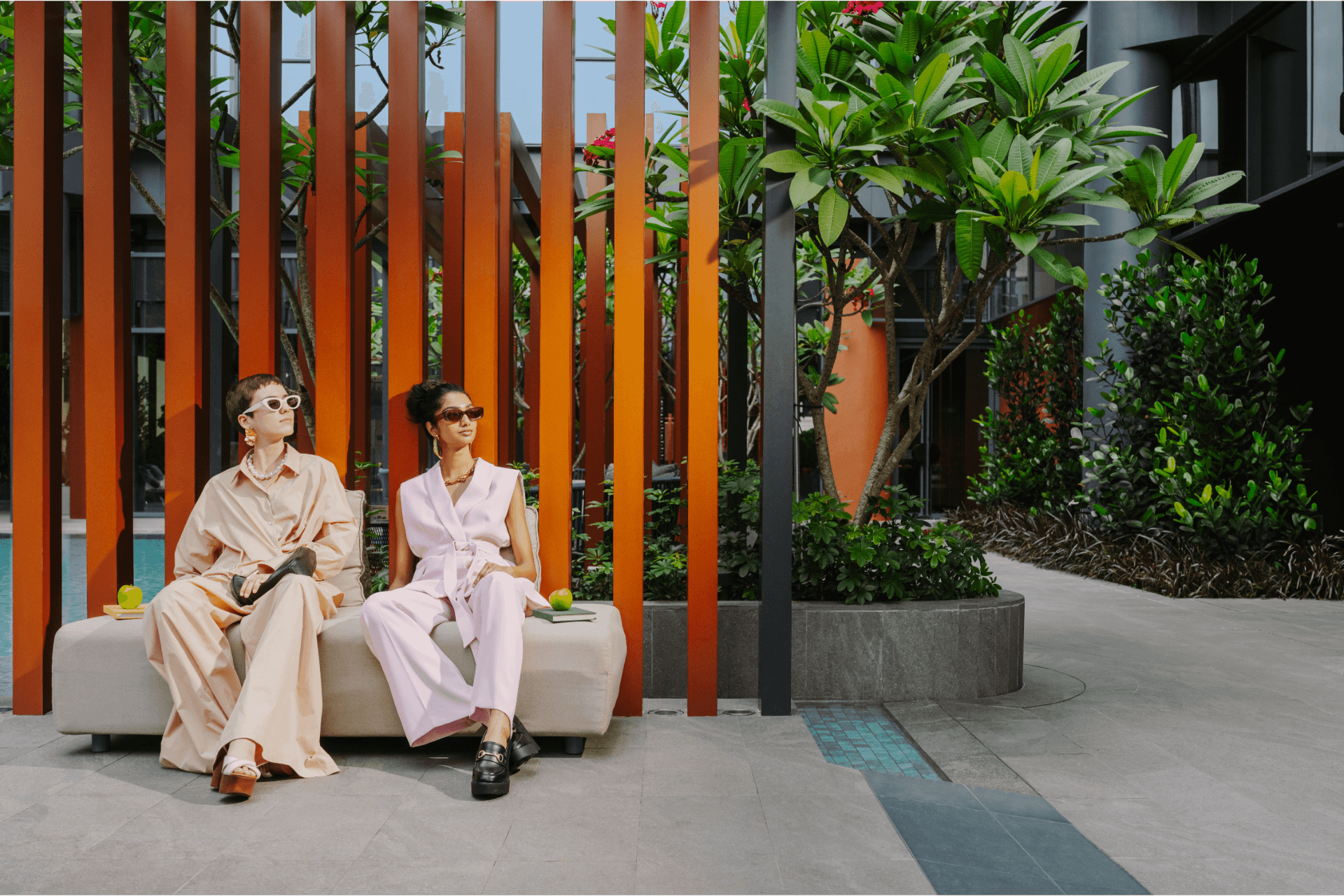
MA: The storytelling is expressed through clarity of space and purpose. Much like a well-designed train, each area within the hotel is intentional—designed to optimise flow, comfort, and usability.
From arrival to guestrooms and dining venues, guests experience a sense of progression, where each space is distinct yet connected. The guestrooms, for example, are designed to maximise comfort and functionality, providing a restful environment without unnecessary complexity.
Rather than being decorative, the design serves to enhance how guests move, interact, and experience the hotel on a daily basis.
AC: Sustainability is increasingly integral to contemporary hospitality. How is responsible practice embedded in the hotel’s operations?
MA: Sustainability is embedded into our operations in a practical and measurable way. As a Green Globe certified property, we focus on responsible resource management across energy, water, and waste.
We have implemented a range of initiatives to minimise our environmental footprint, including paperless operations, the use of wooden keycards, solar panels at our rooftop bar, and refillable bottled amenities. Across both our guestrooms and dining outlets, we have also taken deliberate steps to eliminate single-use plastics.
At the same time, we integrate sustainability into the guest experience through initiatives such as our Chef’s Garden, where ingredients are grown on-site and used across our culinary and beverage offerings. This not only reduces our environmental impact but also creates a more authentic and transparent connection between guests and what they consume.
Our approach is to ensure that sustainability is not an add-on, but a fundamental part of how the hotel operates and engages with its guests.

AC: Pullman Singapore Hill Street opened relatively recently. What priorities guided the establishment of service standards during the early stages of operation?
MA: Our priority was to establish a service culture that is efficient, intuitive, and consistent. Given the dynamic nature of our guests, it was important to create an environment where service supports the guest journey without adding unnecessary friction.
We focused on training our teams to anticipate needs, respond quickly, and maintain a high level of professionalism across all touchpoints. At the same time, we ensured flexibility within the system, allowing us to adapt based on guest feedback as the property evolved.
This balance between structure and adaptability has been key in shaping our service standards.
AC: Singapore is a highly competitive hospitality market. In your view, what defines long-term relevance for a hotel in such an environment?
MA: Long-term relevance comes from a combination of clear positioning and the ability to evolve. In a competitive market like Singapore, it is essential to offer a differentiated experience while continuously refining it to meet changing guest expectations.
For us, this means maintaining a strong identity rooted in design and functionality, while regularly refreshing our programming, partnerships, and F&B concepts to keep the experience current.
Consistency in delivery, combined with the ability to innovate, is what ultimately drives sustained relevance.
AC: Looking ahead, how do you see urban luxury hospitality evolving in the coming years?
MA: Urban luxury hospitality is becoming more focused on efficiency, flexibility, and purposeful design. Guests are increasingly looking for environments that support multiple needs—work, leisure, and social interaction—within a single, well-integrated space.
Technology, design, and service will need to work together more seamlessly to deliver this. At the same time, sustainability and authenticity will continue to shape expectations.
Moving forward, successful hotels will be those that can combine innovation with clarity—creating experiences that are not only elevated, but also intuitive and relevant to how people live and travel today.
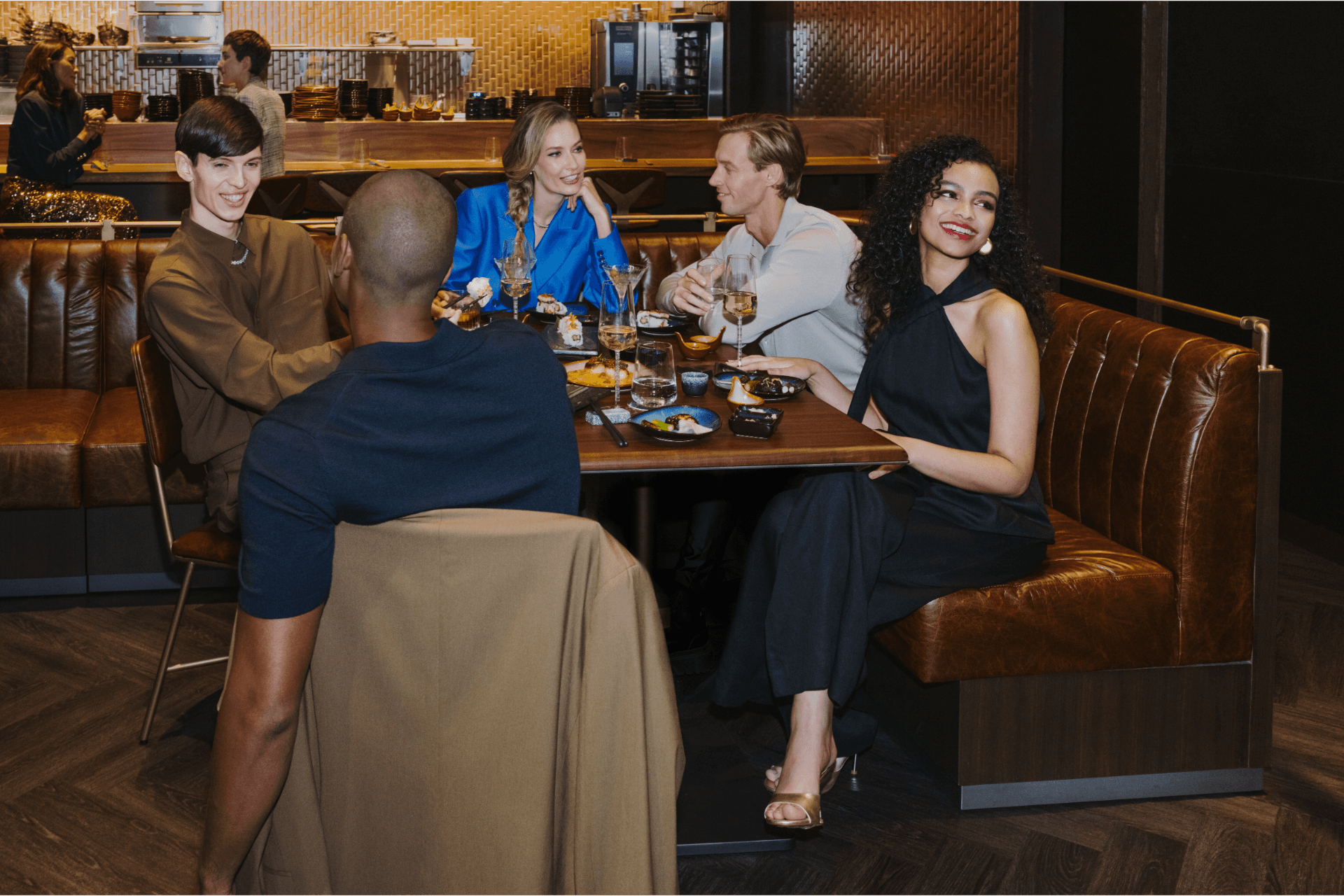
This conversation with Mazen Abilmona highlights how Pullman Singapore Hill Street approaches urban hospitality through a combination of design narrative, destination dining, rooftop experiences, and sustainability-led practices. As Singapore continues to evolve as a global travel hub, the hotel’s positioning reflects a broader shift toward culturally connected, experience-driven luxury environments.
Discover more about Pullman Singapore Hill Street: https://www.pullmansingaporehillstreet.com/