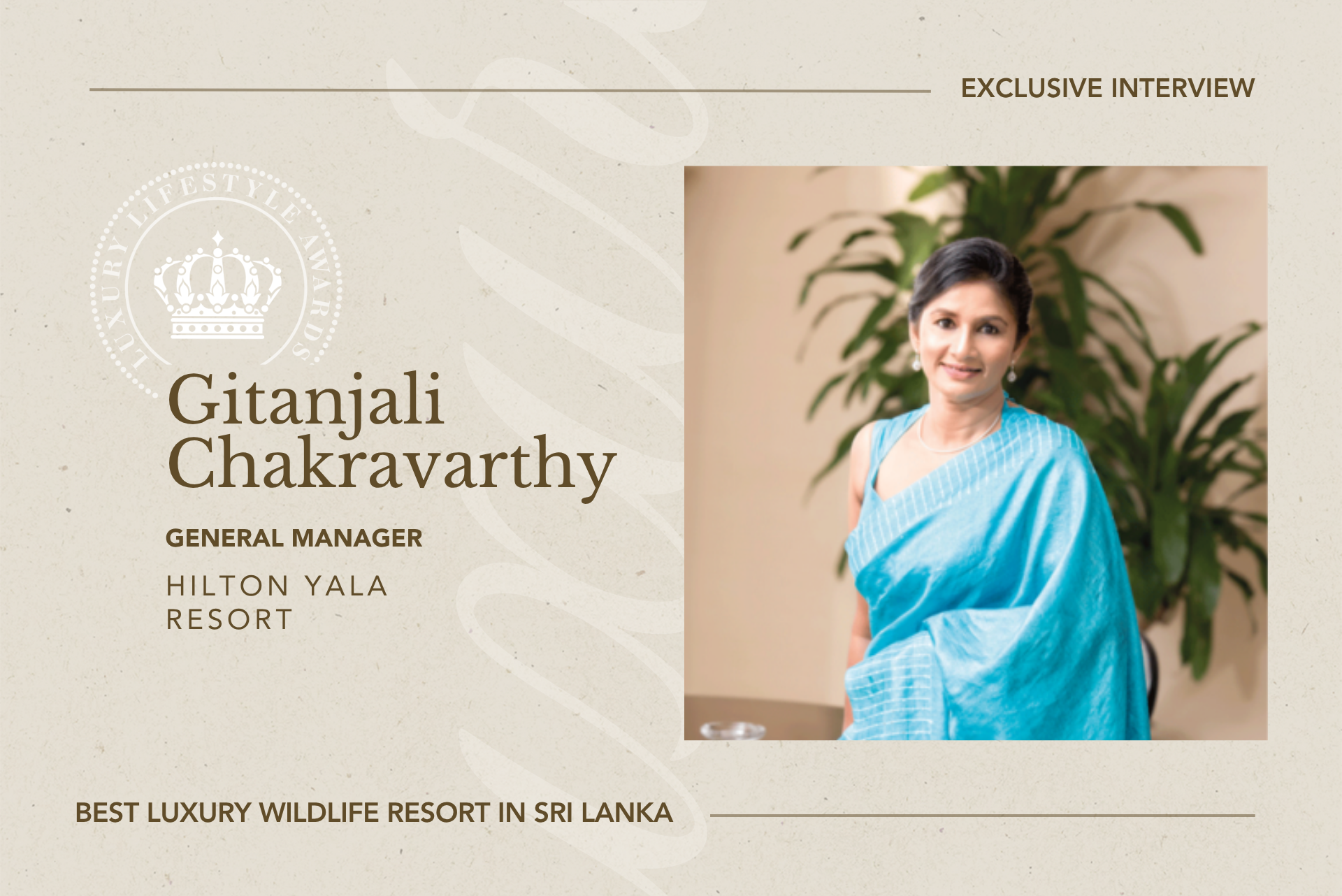
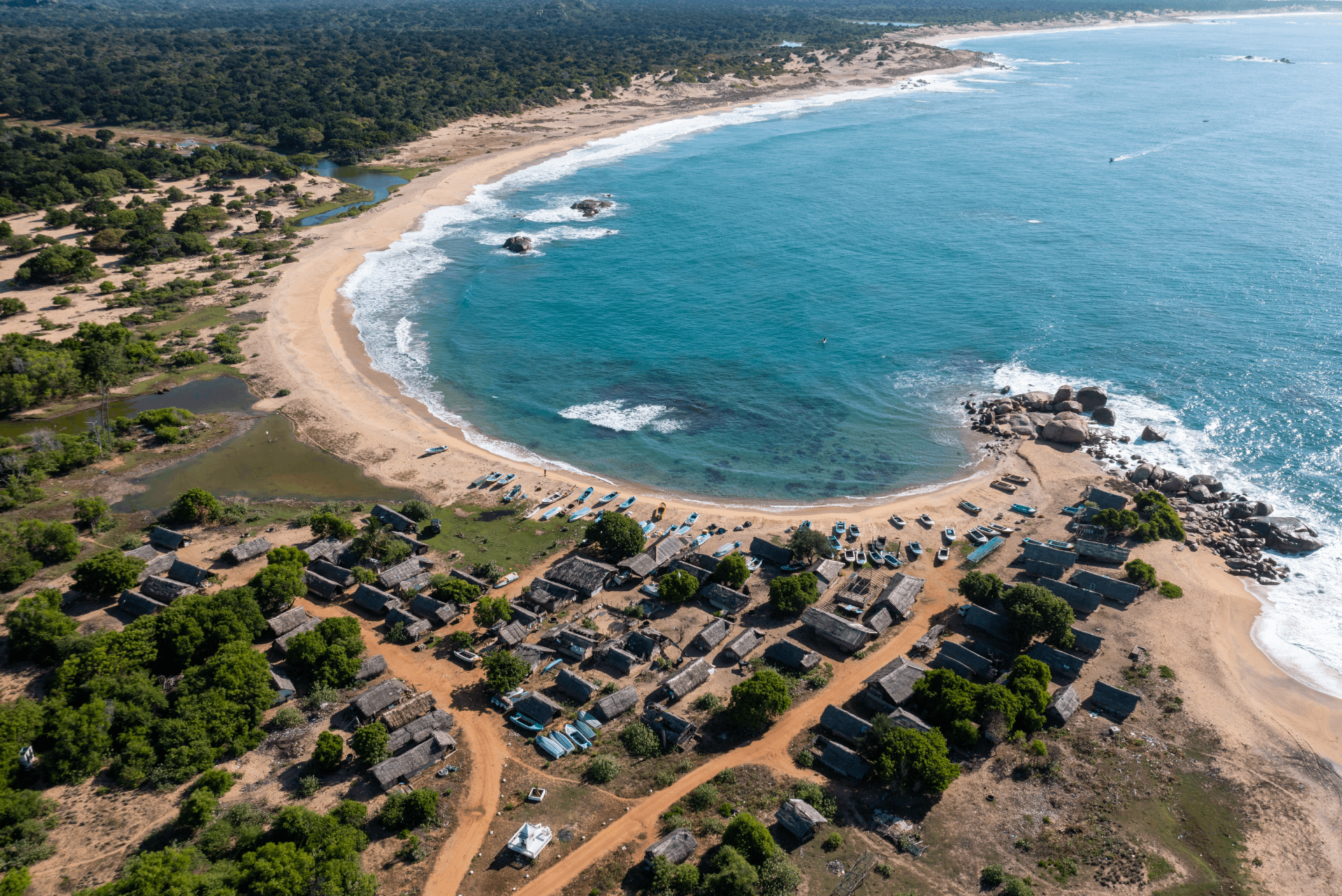
Set on the edge of Sri Lanka’s renowned Yala National Park, Hilton Yala Resort has been recognized by Luxury Lifestyle Awards as the Best Luxury Wildlife Resort in Sri Lanka, 2026. The property represents a distinctive hospitality concept that integrates five-star accommodation, curated safari experiences, and a design philosophy shaped by the surrounding wilderness. In conversation with Alexander Chetchikov, President of the World Luxury Chamber of Commerce, General Manager Gitanjali Chakravarthy reflects on the leadership approach, operational philosophy, and broader industry perspectives behind Hilton Yala Resort’s positioning as a wildlife-focused luxury destination. The resort is notably positioned as Hilton’s only wildlife resort globally, located in a protected buffer zone adjacent to Yala National Park.
Alexander Chetchikov: Hilton Yala Resort operates within a rare intersection of global hospitality standards and protected natural environments. From a leadership perspective, how do you approach the balance between luxury hospitality and environmental responsibility?
Gitanjali Chakravarthy: At Hilton Yala, balance is not a compromise—it is a discipline. Operating adjacent to a protected ecosystem such as Yala National Park requires a conscious shift in how we define luxury. For us, luxury is not excess, but thoughtful restraint.
Our approach is guided by three principles: respect for the environment, authenticity of experience, and consistency in service delivery. We design operations that minimise ecological impact—from construction materials and energy use to how we manage safari movements within the park. At the same time, we ensure that guests experience the highest standards expected of a global brand like Hilton.
Leadership in this context is about setting clear boundaries while empowering teams to innovate within them. When sustainability becomes embedded in culture rather than policy, it naturally aligns with the guest experience.
AC: Hilton Yala has been described as Hilton’s only wildlife resort worldwide. How does that positioning influence the identity and long-term vision of the property?
GC: Being Hilton’s only wildlife resort globally is both a distinction and a responsibility. It defines our identity as a bridge between international hospitality standards and a deeply local, nature-led experience.
Our long-term vision is to position Hilton Yala as a benchmark for wildlife hospitality—not only in Sri Lanka, but globally. This means continuously evolving how we interpret luxury in a wilderness context, ensuring that every decision—from architecture to guest programming—reflects our unique setting.
It also means contributing to the broader narrative of Sri Lanka as a premium wildlife destination, while remaining true to the integrity of the environment we operate within.
AC: Wildlife destinations are often associated with adventure travel rather than refined hospitality. How does Hilton Yala redefine the expectations of a wildlife resort?
GC: Traditionally, wildlife travel has prioritised the destination over the stay. At Hilton Yala, we elevate both.
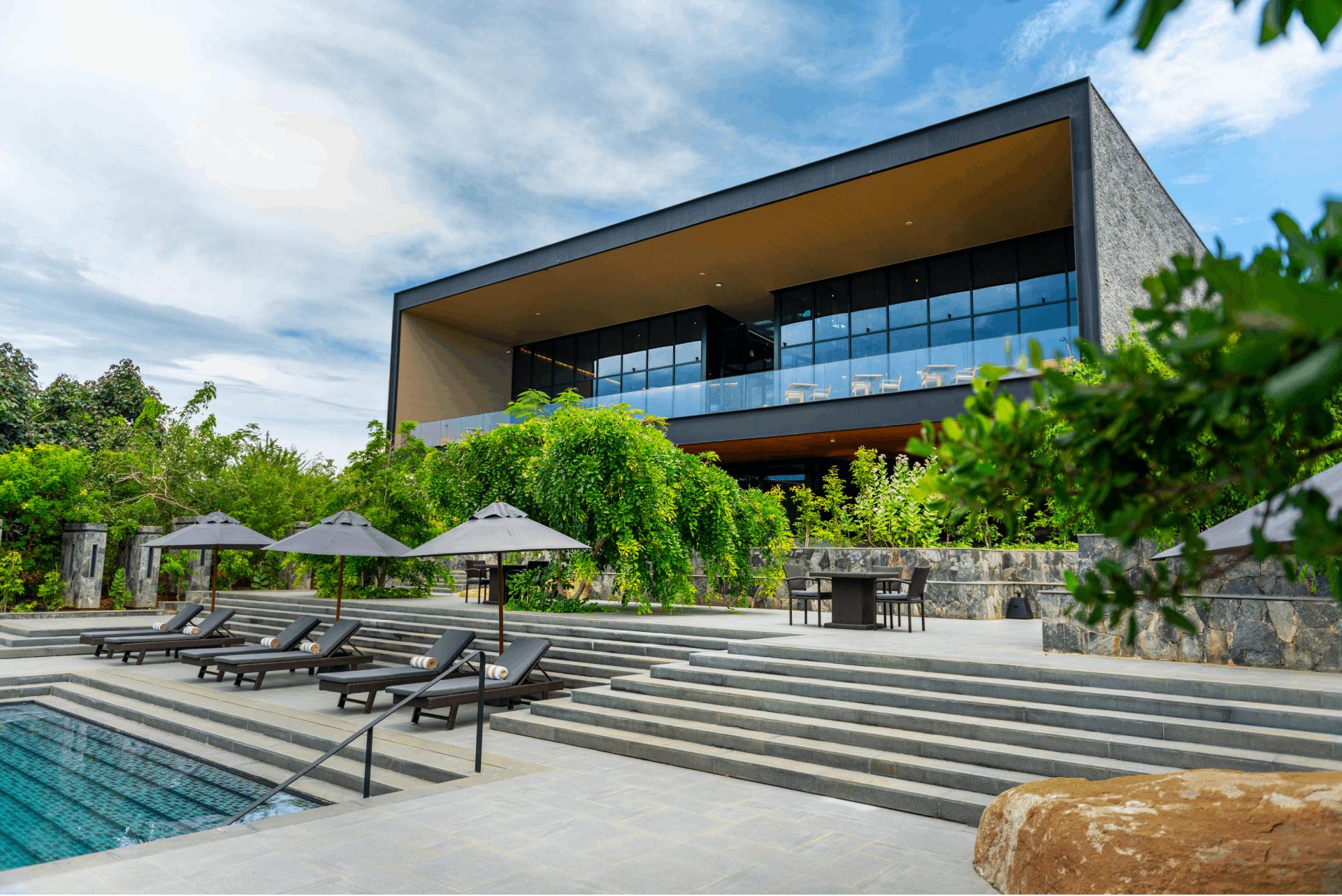
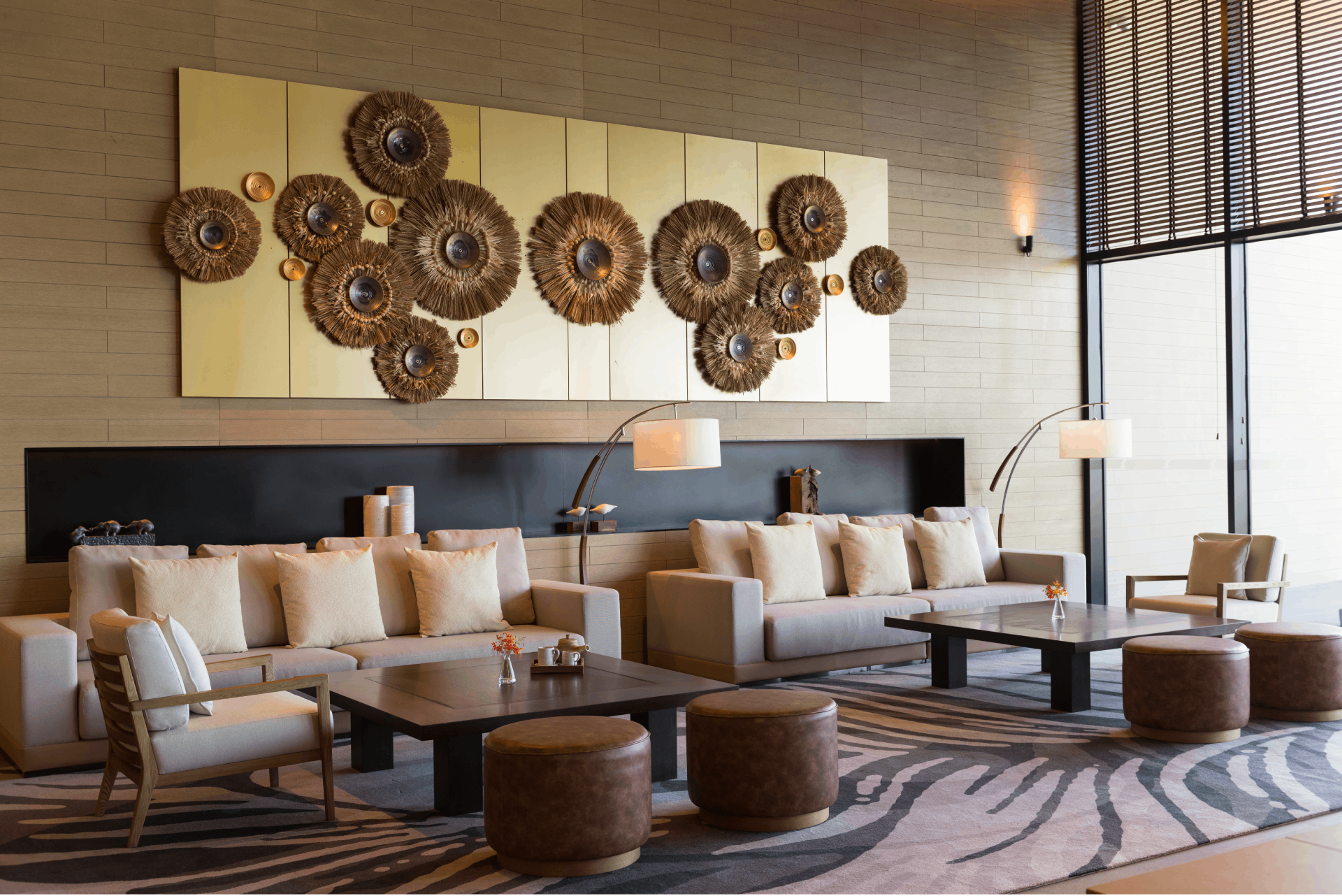
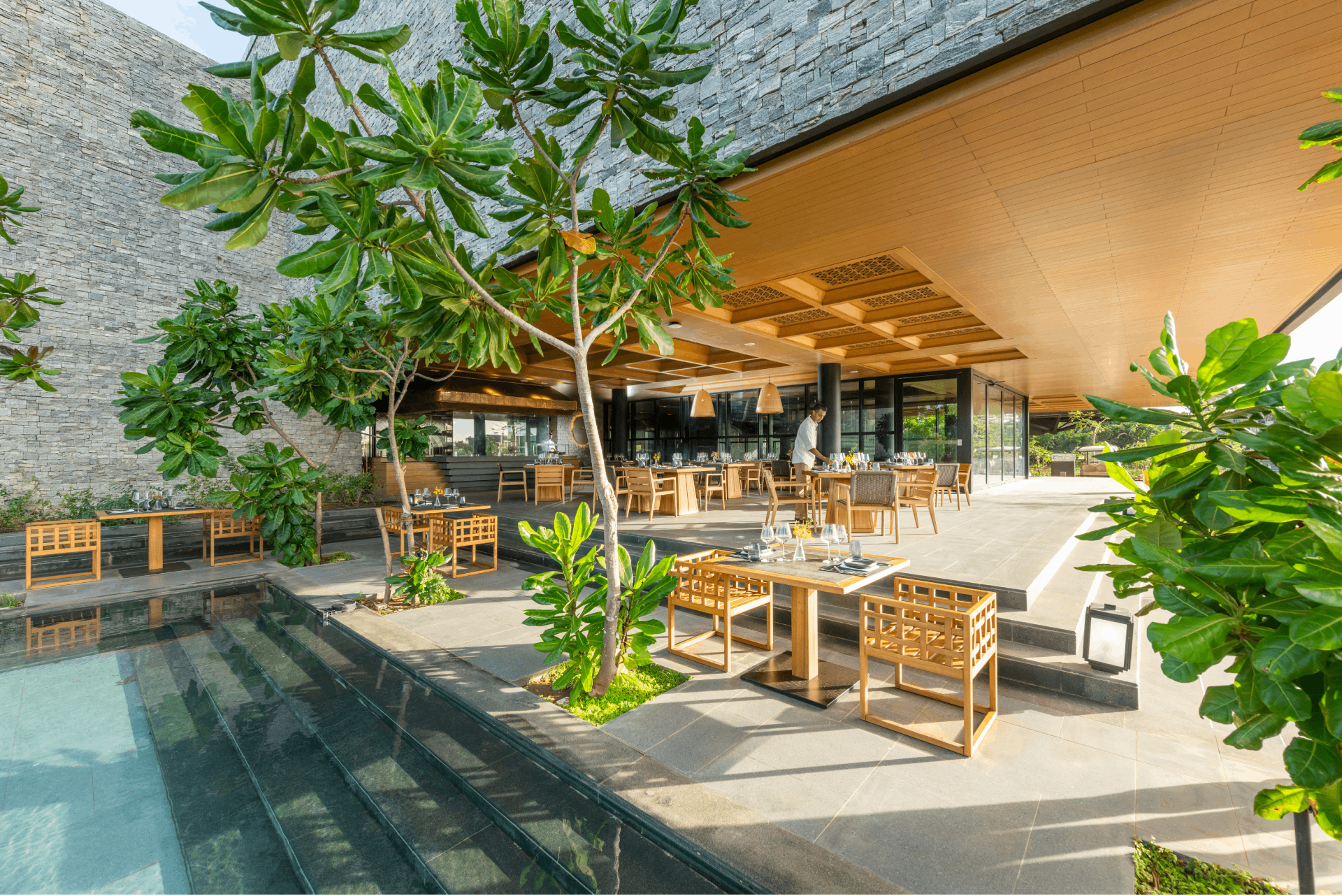
We have curated an experience where the journey into the wild is complemented by a sense of comfort, design sophistication, and personalised service. Whether it is the architectural integration with the landscape, the culinary narratives inspired by local ingredients, or the expertise of our FGASA certified rangers, every touchpoint is designed to feel intentional.
What we are redefining is the idea that guests should not have to choose between immersion and comfort. At Hilton Yala, the wilderness is not outside the experience—it is seamlessly woven into it.
AC: Creating memorable experiences often depends on how personalized a stay feels. How does your team ensure that each guest’s visit remains distinctive?
GC: Personalisation begins before the guest arrives. We invest time in understanding guest preferences, travel intent, and expectations—whether they are wildlife enthusiasts, families, or leisure travellers seeking tranquillity.
Our teams are trained to anticipate rather than react. From tailoring safari timings to aligning dining experiences with guest preferences, we focus on creating moments that feel intuitive rather than orchestrated.
Equally important is our team culture. When team members feel empowered and connected to the purpose of the property, they naturally deliver experiences that are genuine and memorable. Personalisation, in that sense, is less about systems and more about mindset.
AC: Hilton operates within a large global distribution network. How does Hilton Yala position itself within international travel markets while remaining rooted in its local setting?
GC: Our strength lies in combining global reach with local authenticity. Hilton’s distribution platforms allow us to access international markets with precision, but what differentiates us is the story we tell once guests discover us.
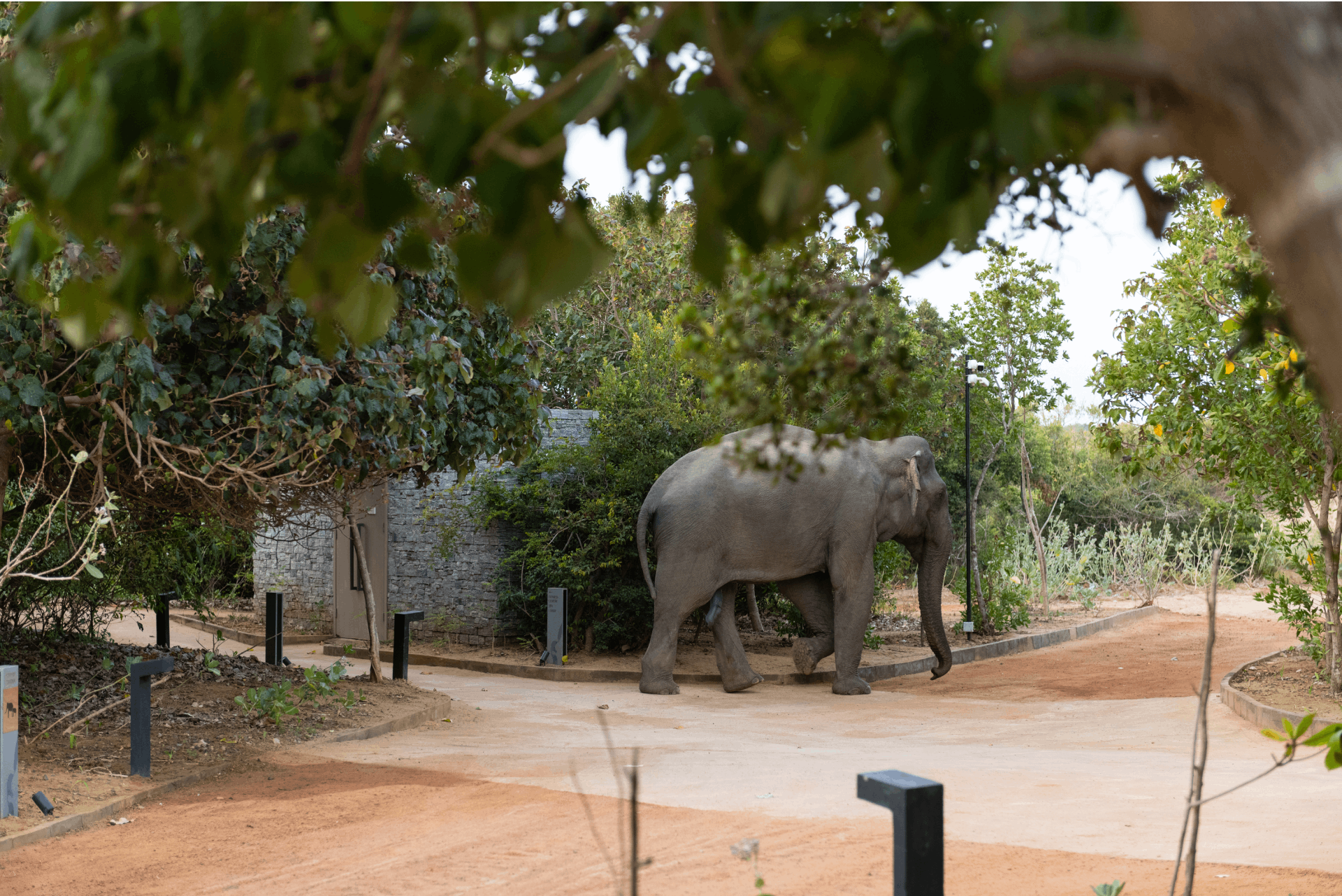
We position Hilton Yala as an experience-led destination—one that offers something rare within the global portfolio. At the same time, we remain deeply connected to Sri Lanka through our people, culture, and environmental context.
This duality allows us to appeal to global travellers seeking unique, meaningful experiences while ensuring that the essence of the destination is never diluted.
AC: Nature-led destinations often rely on storytelling to communicate their value. How does Hilton Yala approach its narrative within the luxury travel landscape?
GC: Our narrative is rooted in authenticity. We do not create stories—we reveal them.
The landscape, the wildlife, and the people who bring the experience to life are already powerful storytellers. Our role is to present these elements in a way that resonates with today’s luxury traveller, who increasingly values purpose and connection.
We focus on storytelling that is experiential rather than promotional—capturing moments, emotions, and the sense of place. In doing so, we position Hilton Yala not just as a place to stay, but as a destination that offers perspective.
AC: Looking ahead, how do you see the role of wildlife-focused luxury hospitality evolving in the global travel industry?
GC: Wildlife-focused luxury hospitality will become increasingly relevant as travellers seek deeper, more meaningful connections with destinations.
The future of this segment will be defined by responsibility and authenticity. Guests will expect not only exceptional experiences, but also transparency in how properties operate within sensitive environments.
I believe the industry will move towards more curated, smaller-scale experiences that prioritise quality over volume. Properties like Hilton Yala will play a role in shaping this evolution—demonstrating that luxury and conservation can coexist, and that travel can be both enriching and responsible.
The conversation with Gitanjali Chakravarthy highlights a leadership approach grounded in balance, restraint, and long-term thinking. Under her direction, Hilton Yala Resort reflects a hospitality model where international service standards coexist with the realities of a conservation-sensitive environment. The property’s recognition as Best Luxury Wildlife Resort in Sri Lanka underscores the growing relevance of experience-driven travel, where luxury is defined not only by comfort but by authenticity, context, and responsible engagement with nature.
Discover more about Hilton Yala Resort: https://www.hilton.com/en/hotels/kdwyahi-hilton-yala-resort/?msockid=292685ed45fe68c4010b9738444c69e4