Gevorg Shahbazyan, CEO and Founder of Starlife Group, leads a Miami-based vertically integrated real estate developer active across luxury residential, mixed-use, construction, investment, lending, and brokerage. In conversation with Alexander Chetchikov, President of World Luxury Chamber of Commerce, Shahbazyan discusses the company’s approach to South Florida development following its recognition by Luxury Lifestyle Awards for Best Luxury Mixed-Use Development for 21 Hollywood in Florida, USA, and Best Luxury Construction & Building Company in Florida, USA through Starlife Builders, a division of Starlife Group.
Alexander Chetchikov: How would you define Starlife Group’s role in the current evolution of real estate development in South Florida?
Gevorg Shahbazyan: Starlife Group occupies a rare position in South Florida — we’re a fully vertically integrated developer in a market historically defined by fragmentation. Most firms here handle one or two pieces of the puzzle. We operate every stage of the real estate lifecycle under one roof: development, construction through Starlife Builders, lending, mortgage, brokerage, insurance, property management, and asset protection.
That structure isn’t an organizational quirk — it’s a deliberate response to where South Florida is heading. The region is absorbing extraordinary inflows of wealth, talent, and institutional capital, and the buyers and investors arriving here expect a level of execution that fragmented developers struggle to deliver. Our role is to set a new standard for what disciplined, end-to-end development looks like in this market — one team, one standard, one outcome.
I see Starlife as both a participant in South Florida’s transformation and a contributor to its next chapter. Projects like 21 Hollywood are evidence of that — we’re not just adding inventory, we’re helping shape emerging corridors into livable, activated destinations.
AC: What does vertical integration allow the company to achieve that a more traditional development structure may not?
GS: It eliminates friction. In a traditional structure, every handoff between a developer and a third party — a contractor, broker, lender, insurer — introduces delay, cost, and the possibility of misalignment. When something goes wrong, no one fully owns the outcome.
We’ve eliminated those handoffs. When our development team identifies a site, our construction arm at Starlife Builders is already pricing it. When we break ground, our brokerage team is already pre-selling units. When a buyer is ready to close, our mortgage team is already underwriting the loan. After delivery, our property management and insurance teams take over. That sequence runs without the friction that defines most projects in this industry.
For investors, vertical integration also means transparency and accountability. They’re working with a single, accountable operator who controls the entire value chain. There’s no finger-pointing between vendors, no information gap between departments. That clarity is one of the most under-appreciated forms of value in real estate, and it’s what allows us to move faster and deliver more reliably than fragmented competitors.
AC: 21 Hollywood has become a central project in the company’s portfolio. What does this development represent for Starlife Group?
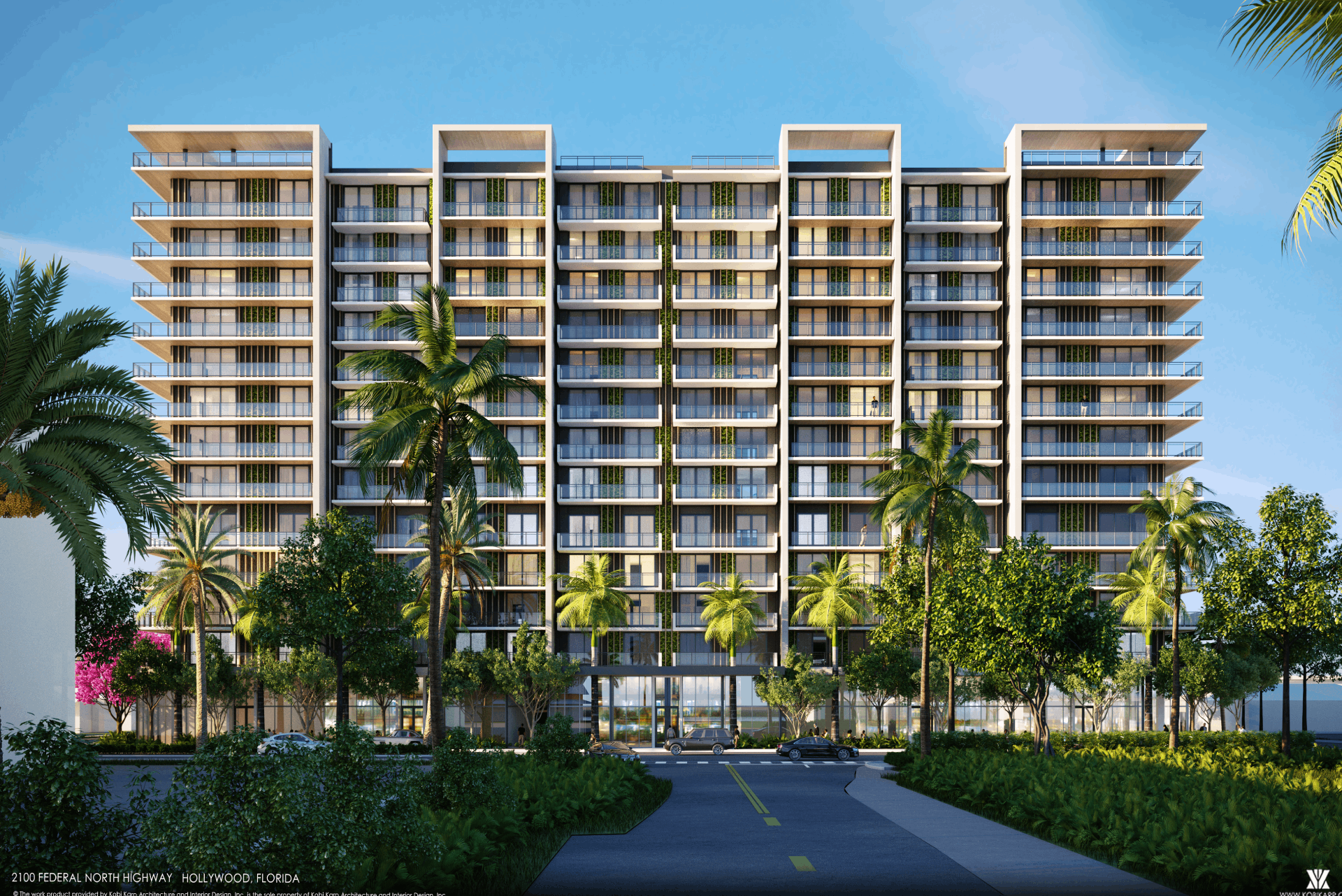
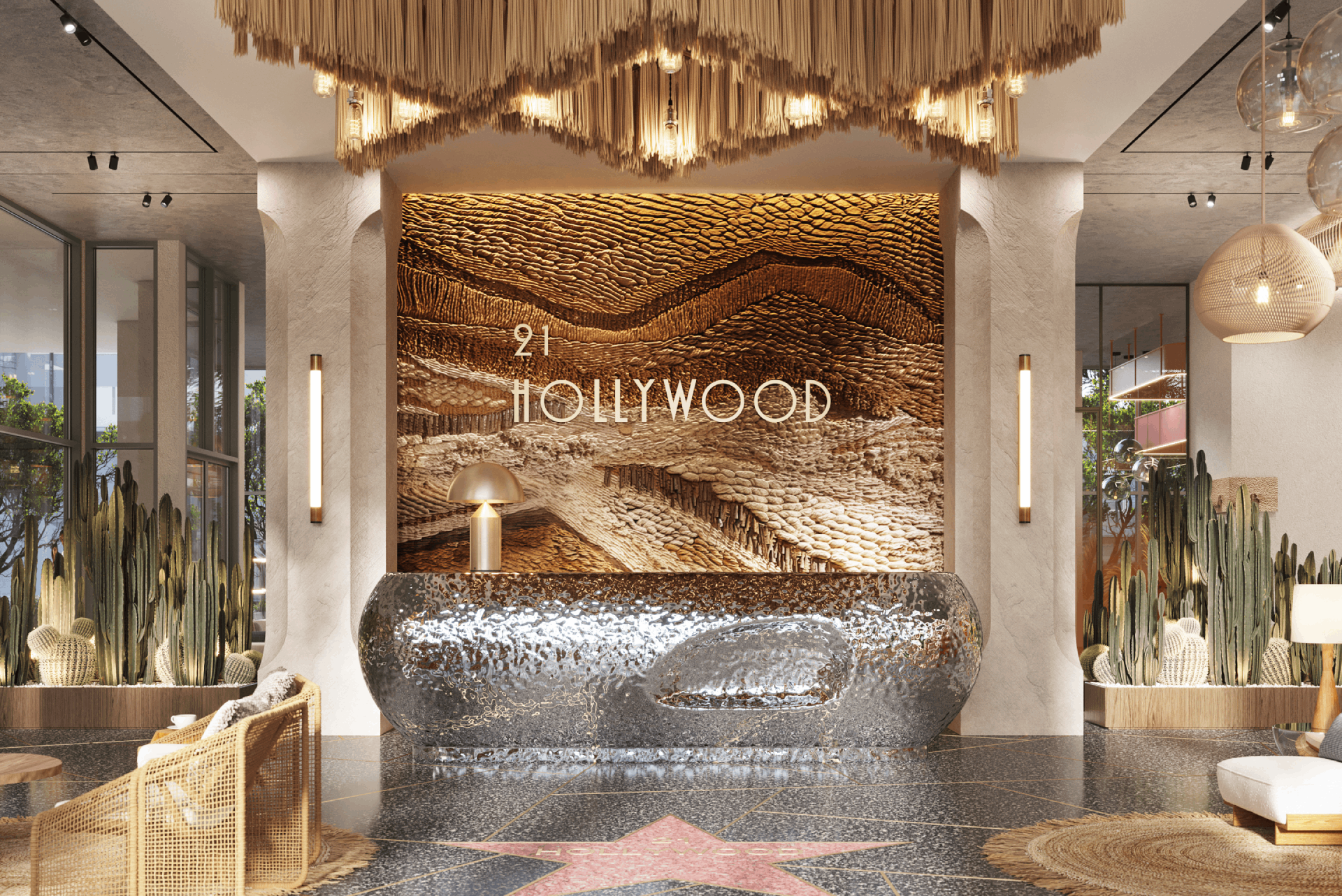
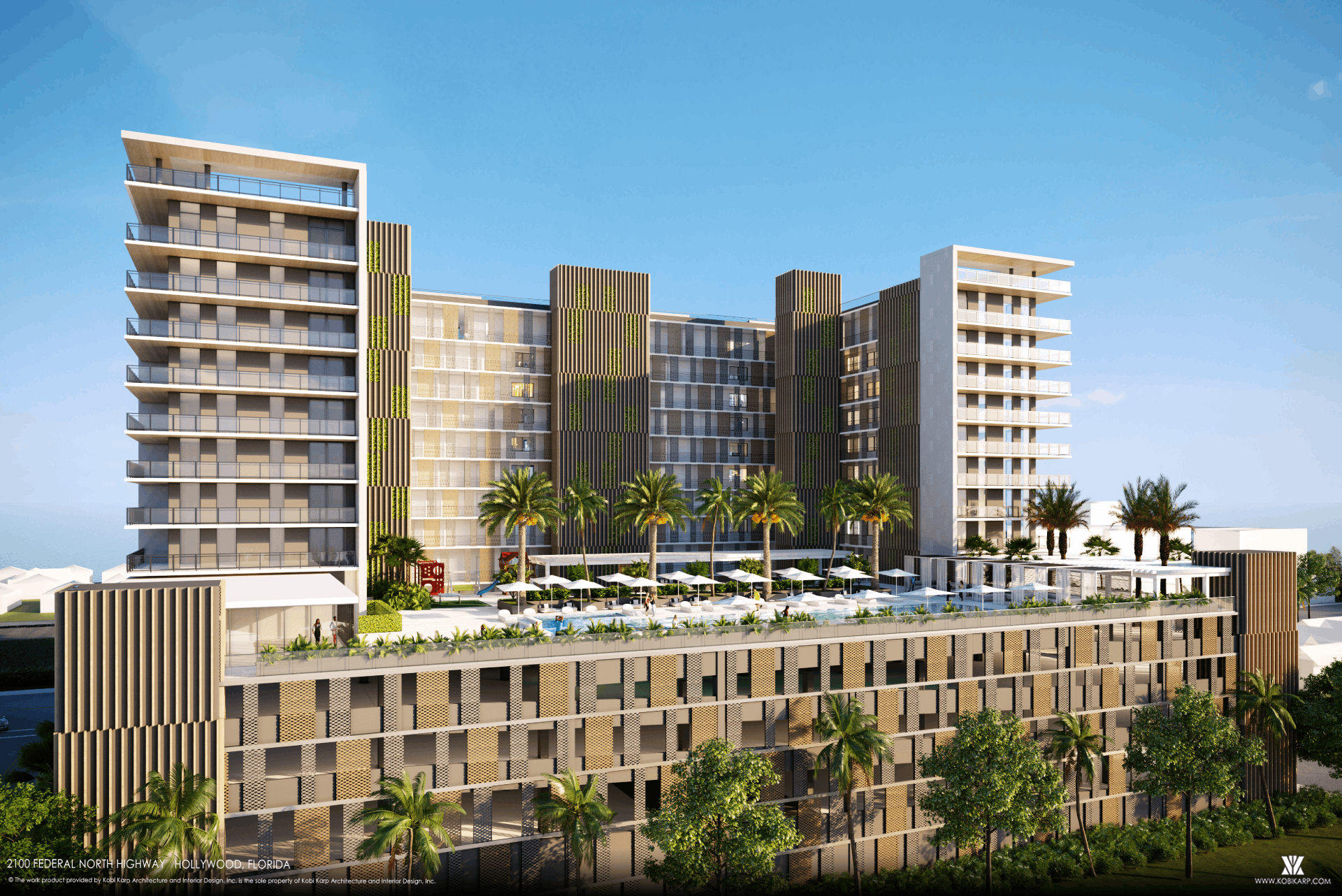
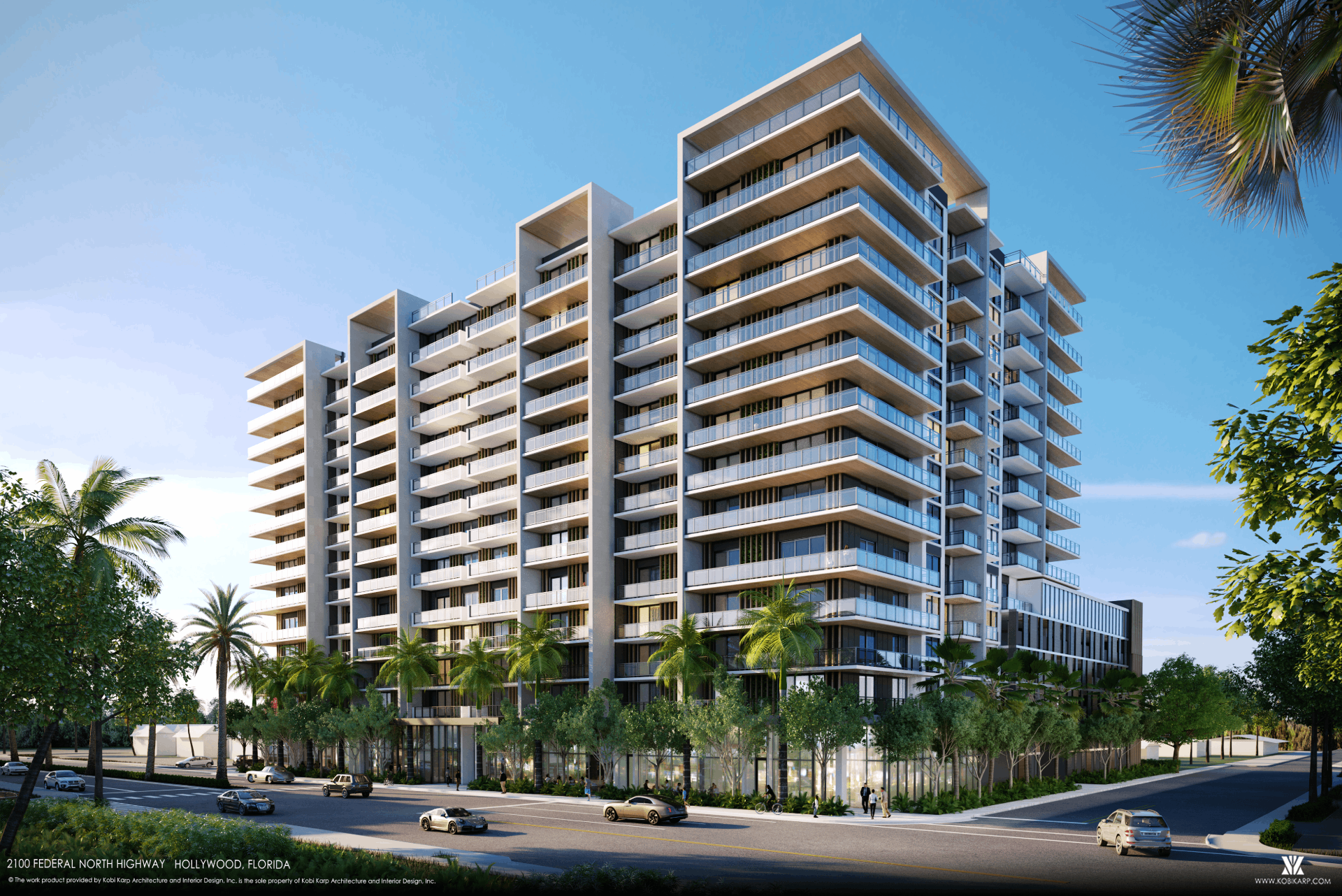
GS: 21 Hollywood is the clearest expression to date of everything we’ve built. It’s a 14-story mixed-use tower that recently topped off, with 200 luxury rental residences and 10,000 square feet of ground-floor retail, now pre-leasing ahead of its late-2026 delivery. But the numbers only tell part of the story.
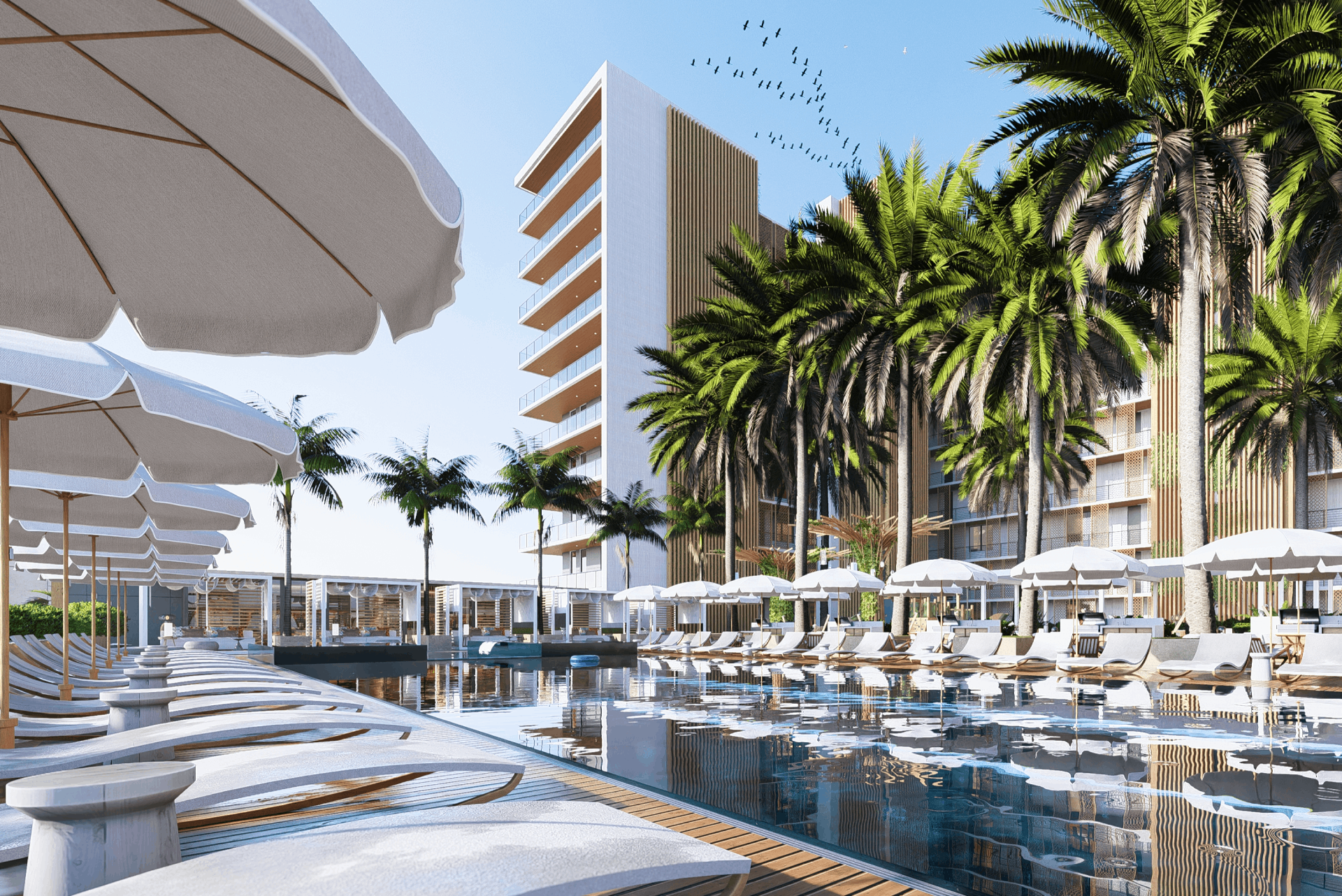
What 21 Hollywood represents is our conviction that rental product can — and should — deliver a condo-quality experience. Residences feature Bosch appliances, Italian cabinetry, quartz countertops, and curated tile finishes. The amenity program is designed for how people actually live today: an elevated pool deck with private cabanas, co-working spaces, a cinema room, a golf simulator, and a rooftop pickleball court. Every choice was made deliberately, with the resident in mind.
The project also represents our placemaking philosophy. We selected the Hollywood/Dania Beach submarket because we saw a corridor on the verge of transformation — a market where nearly 1,200 new multifamily units were delivered last year, signaling broad confidence in its trajectory. 21 Hollywood is designed not as a standalone asset, but as a catalyst — its ground-floor retail and street-level activation contribute to a more walkable, vibrant neighborhood. The Luxury Lifestyle Awards recognition validates what we set out to do: build at the highest standard while shaping the place around it.
AC: How does Starlife Builders contribute to the company’s broader development philosophy?
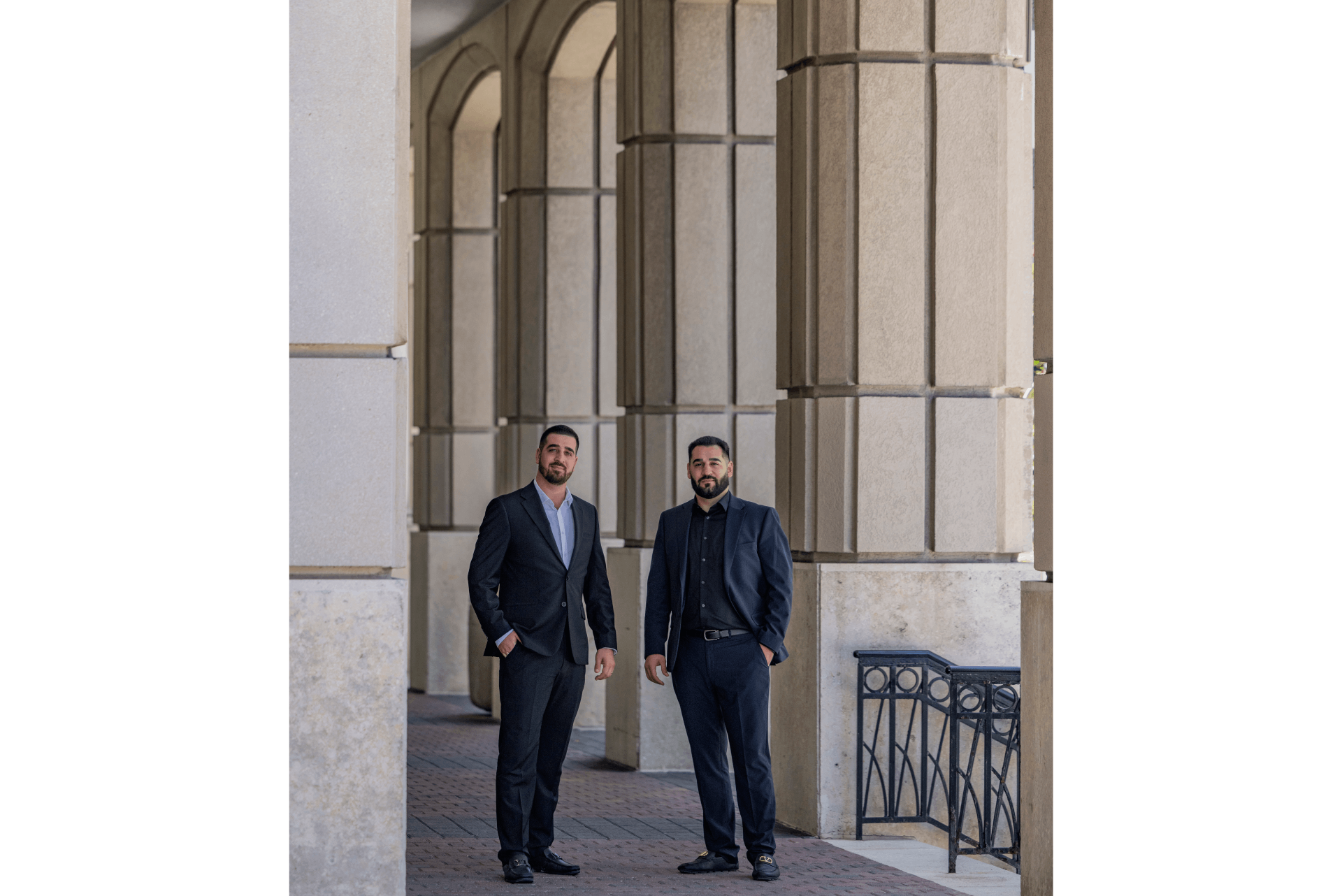
GS: Starlife Builders is the operational engine of our model. Led by my brother and co-founder Arman Shahbazyan, our general contracting division gives us direct visibility into costs, timelines, and quality on every project we develop. That control is what allows the rest of the platform to function.
In a traditional structure, a developer is essentially negotiating with a contractor whose incentives don’t fully align. We’ve eliminated that misalignment by building the GC in-house. When our development team is evaluating a site, Starlife Builders is already pricing it in real time, stress-testing the underwriting against actual construction reality. When we break ground, the team executing the work is the same team that helped shape the budget — there’s no gap between what was promised and what gets built.
The recognition of Starlife Builders by the Luxury Lifestyle Awards as Best Luxury Construction & Building Company in Florida reflects that discipline. It’s not just about building well — it’s about building in a way that protects every other stakeholder in the value chain, from the investor to the buyer to the end resident. Starlife Builders is the proof that vertical integration isn’t a slogan — it’s a measurable competitive advantage.
AC: Sustainability is increasingly central to luxury development. How does Starlife Group approach this responsibility?
GS: Sustainability in South Florida has to start with a clear-eyed understanding of where we build. We’re operating in a climate that demands resilience — hurricane-grade structural design, durable envelopes, and materials selected to perform over decades, not just at delivery. That mindset is built into how we develop, and it’s also one of the most consequential forms of sustainability we can practice: building once, well, instead of repeatedly.
Beyond resilience, we focus on operational efficiency. At 21 Hollywood, the use of Bosch appliances, high-performance fixtures, and modern building systems lowers ongoing energy and water consumption for every resident over the life of the asset. That has real environmental and financial returns. And because we manage the buildings we develop through Starlife Property Management, we have a long-term incentive to maintain those efficiencies — we’re not handing the asset off and walking away.
Sustainability also has an urban dimension. Mixed-use, walkable developments like 21 Hollywood reduce car dependence and concentrate activity within existing infrastructure rather than sprawling outward. That’s the kind of structural sustainability that matters most in a region like South Florida, and it’s central to how we think about every site we acquire.
AC: How do you balance luxury positioning with broader community relevance?
GS: These aren’t in tension — they’re complementary, and treating them as opposing forces is a mistake too many luxury developers still make. A residence is only as desirable as the neighborhood around it. If we build a beautiful tower into a context that doesn’t invite life, we’ve failed our residents and the community in the same stroke.
Our approach is rooted in placemaking. We deliberately select sites in emerging corridors where thoughtful investment can catalyze broader transformation, and we design our projects to give back to the streetscape. 21 Hollywood is a clear example: 10,000 square feet of ground-floor retail activates the sidewalk for everyone, not just residents. Amenity programming is designed to bring life into the building, and the building’s presence — its scale, materiality, and street engagement — contributes to a more walkable, vibrant Hollywood.
Luxury, properly understood, is about quality of life — and quality of life doesn’t end at the property line. The communities we develop in deserve the same intentionality we bring to our finishes and amenities. That’s how a project earns long-term relevance, and that’s how a brand earns long-term trust.
AC: What leadership principles guide your decisions as Starlife Group continues to expand its pipeline?
GS: The first principle is to control the process to control the outcome. Every time we’ve identified a point in the development cycle where we were dependent on a third party — and that dependence introduced risk, delay, or cost — we’ve brought that function in-house. That discipline is how Starlife Builders, Starlife Realty, Starlife Mortgage, Starlife Insurance, and Starlife Property Management came to exist. Each one was a response to a problem we saw, not a strategic afterthought.
The second is what I call “follow the investor.” We think about our business from the investor’s chair. An investor wants a developer who acquires intelligently, builds on budget, sells effectively, and protects the asset long-term. By offering all of that under one roof, we’ve made Starlife the most efficient vehicle for deploying capital into South Florida real estate. That efficiency is a competitive moat — and it informs how I make decisions about where to grow next.
The third principle is continuous education at the highest level. I’m currently completing Harvard Business School’s Owner/President Management program and Harvard’s Graduate School of Design’s Advanced Management Development Program. These programs connect me with operators, investors, and thought leaders from every continent and every industry, and the frameworks I’m importing from technology, finance, healthcare, and design directly shape how we run Starlife. A pipeline only scales if the leadership behind it is scaling too.
AC: Looking ahead, what should define the next stage of Starlife Group’s growth?
GS: The next stage is about scale — but scale on our terms. We’ve spent years building a proprietary development operating system that works in South Florida. The opportunity ahead is to extend it across three dimensions.
The first is product. We’re broadening our pipeline across Broward’s core corridors, where we see continued momentum in submarkets like Hollywood and Dania Beach. 21 Hollywood is a proof of concept; the next set of projects will build on that template with increasing ambition.
The second is investor access. We’re developing platforms that give high-net-worth investors direct, transparent participation in our deal pipeline — bringing the same vertical integration we’ve built operationally into how capital flows into our projects.
The third is geographic and strategic expansion. We’re exploring franchising our development operating system to qualified operators in other markets, which would allow what we’ve built to scale beyond our direct footprint. Whether through direct entry, partnerships, or franchising, the trajectory is clear: Starlife is positioning itself as a global brand for end-to-end excellence in real estate. The next chapter is about proving that the model works at scale, in multiple markets, for a global investor base.
Gevorg Shahbazyan’s perspective reflects a leadership approach grounded in integration, execution, and long-term urban relevance. As Starlife Group advances major developments across South Florida, the interview highlights how disciplined development platforms can shape luxury real estate while responding to broader market and community needs.
Discover more about Starlife Group: http://www.thestarlifegroup.com