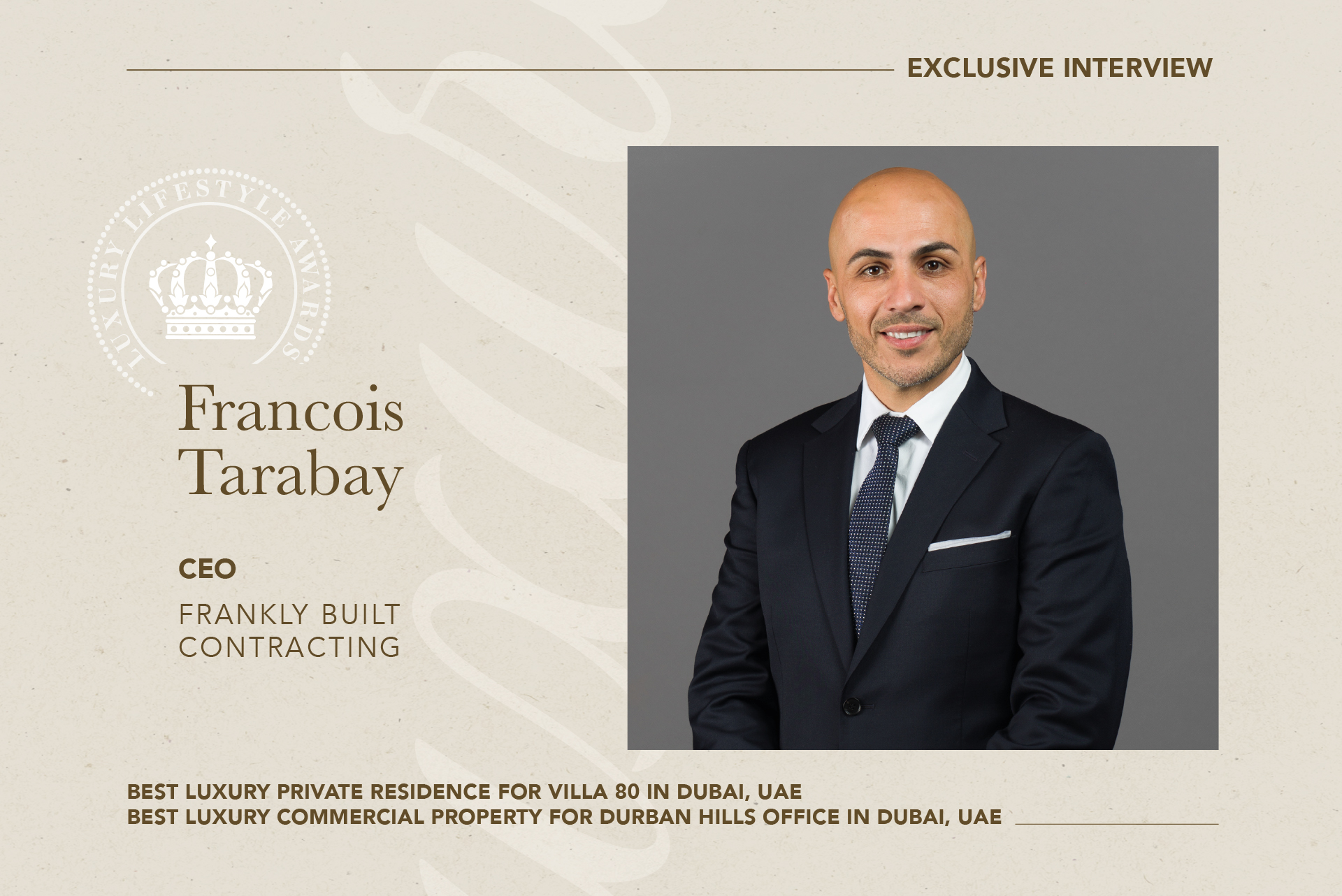
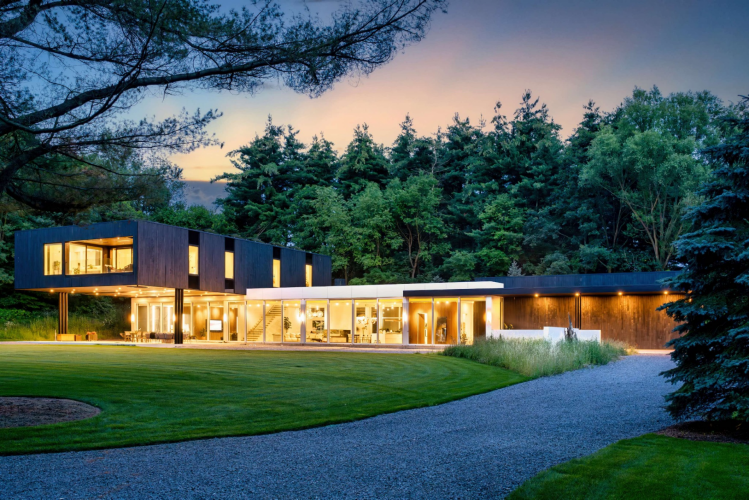
Mr Francois Tarabay, CEO of Frankly Built Contracting, speaks with Alexander Chetchikov, President of World Luxury Chamber of Commerce, following the company’s recognition by Luxury Lifestyle Awards for Best Luxury Private Residence for Villa 80 Parkways, Dubai Hills, UAE and Best Luxury Commercial Property for Office 506 Business Park, Dubai Hills, UAE.
Alexander Chetchikov: In a market where expectations are high and timelines are tight, what leadership principles help you keep work consistent from early planning through final handover?
Francois Tarabay: In a fast-paced market like Dubai, where expectations are high and timelines are tight, consistent delivery from early planning through to final handover is driven by disciplined leadership: setting absolute clarity of vision and scope from day one, enforcing accountability across every stage, investing heavily in front-end planning and risk mitigation, using real-time data to guide decisions, and embedding a culture of quality rather than relying on end-stage inspections. Visible, hands-on leadership that remains engaged in both strategy and site execution ensures standards do not drift under pressure, creating alignment between consultants, contractors, and stakeholders and ultimately reducing surprises, protecting the programme, and safeguarding the design.
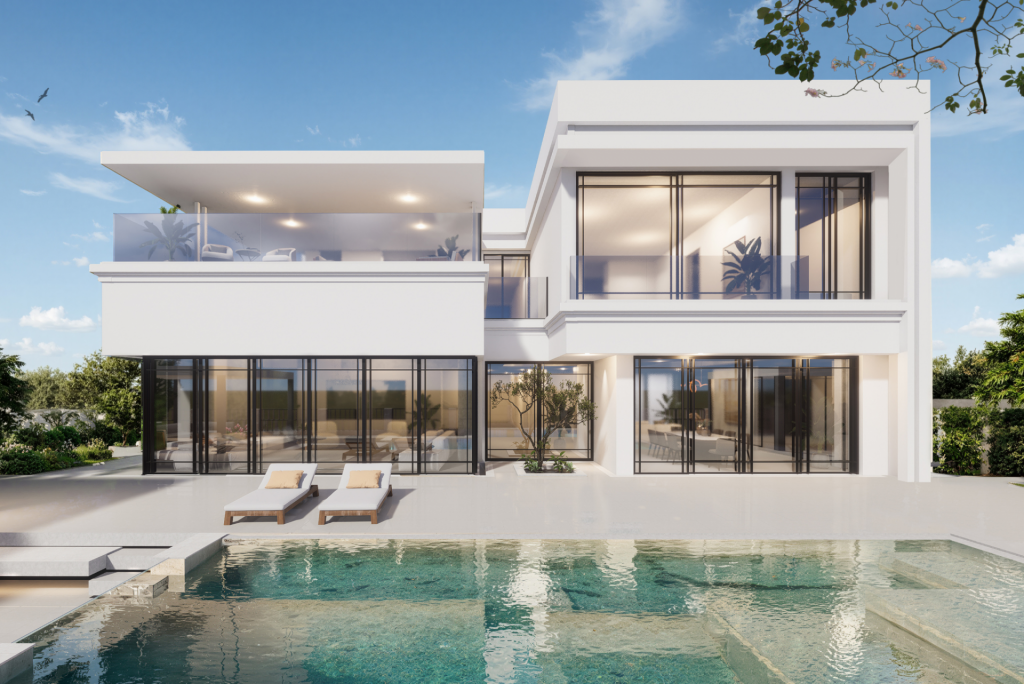
AC: When a project is recognized at an international level, what does that validation represent internally, process, culture, or something else?
FT: When a project is recognized at an international level, the validation goes far beyond the finished asset; it reflects the strength of the internal engine behind it. I have immense pride in my team, who worked in harmony to deliver these projects. Externally, awards acknowledge design excellence or delivery performance; internally, they validate process discipline, leadership alignment, and a culture that refuses to compromise on standards. It signals that systems were robust, communication was clear, risk was managed proactively, and quality was embedded from day one rather than inspected at the end. More importantly, it represents collective ownership, from leadership to site teams, where accountability and pride in workmanship are part of the culture, not imposed requirements. True international recognition is rarely about a single moment of brilliance, it’s evidence of consistent behaviors, structured processes, and a team mindset committed to delivering beyond baseline expectations.
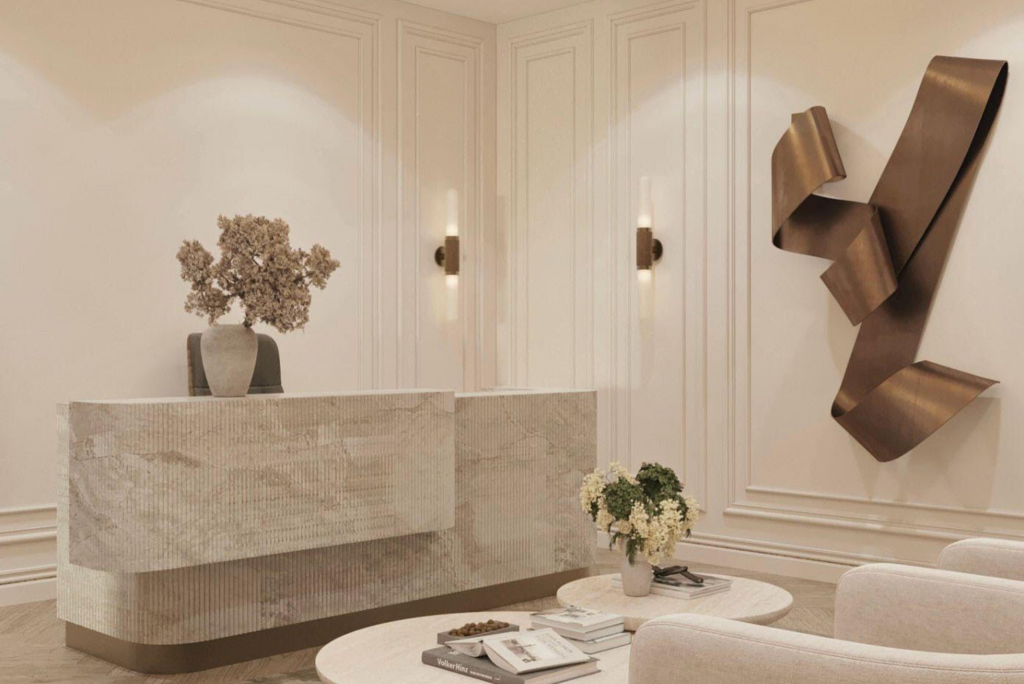
AC: How do you define “luxury” from a contracting perspective, beyond materials and finishes?
FT: Luxury is a diluted concept in Dubai, it is expressive and scale driven, seen on every corner. From a contracting perspective, luxury goes far beyond premium materials and refined finishes. True luxury for me is precision in planning, detailing, coordination, and execution. It is the discipline of resolving complexity before it reaches site, the craftsmanship that ensures tolerances are exact, and the seamless integration of structure, services, and design intent without visible compromise. Luxury is also about experience: smooth communication, controlled timelines, clean sites, proactive problem-solving, and a handover that feels effortless. It reflects programme certainty, cost transparency, and a level of care where nothing feels rushed or improvised. Ultimately, luxury in contracting what you don’t see misalignments avoided, the defects prevented, and the countless micro-decisions made correctly long before the final reveal.
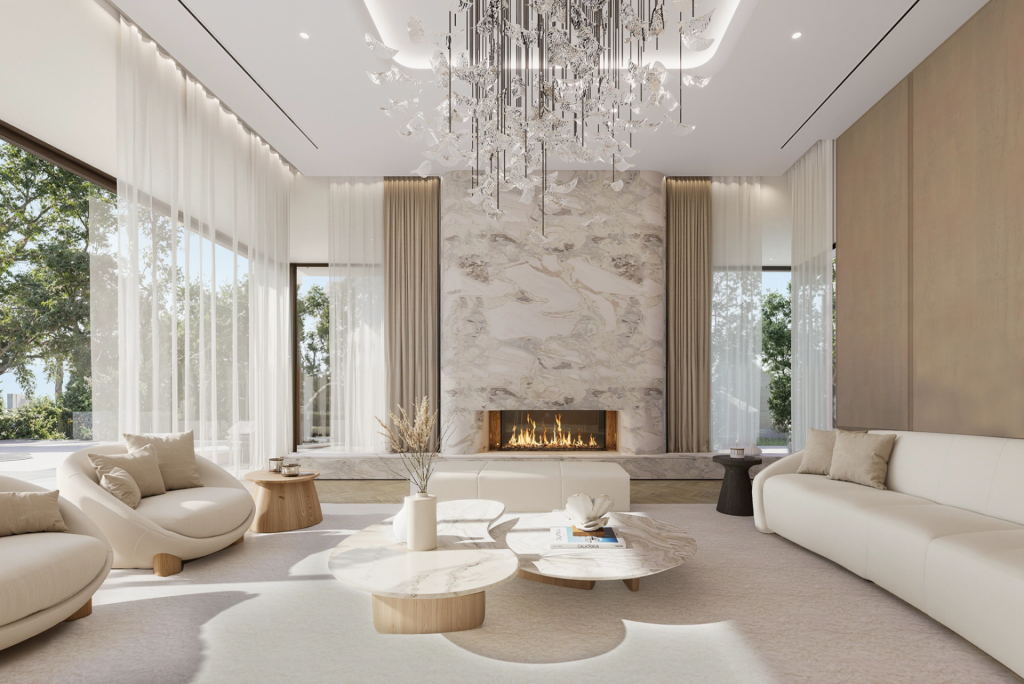
AC: Your team has been recognized for both a private residence and a commercial property. What changes, and what stays the same, when moving between these two environments?
FT: While a private residence and a commercial property operate at different scales and stakeholder dynamics, the fundamentals of delivery remain the same: disciplined planning, rigorous cost control, programme certainty, and uncompromising quality standards. What changes is the nature of engagement and compliance. In private residential projects, the process is often more intimate and design-led, requiring heightened sensitivity to client vision, bespoke detailing, and lifestyle-driven decisions. In commercial environments, complexity typically increases in terms of regulatory frameworks, consultant coordination, operational requirements, and stakeholder management. For this particular commercial project timelines were structured but the process was certainly design-led and aligned with the client’s specific vision.
What stays constant is leadership, accountability, and process integrity. Whether delivering a high-end residence or a commercial asset, consistency comes from structured systems, proactive risk management, and a culture that treats every project, regardless of size or sector, as a benchmark for excellence.
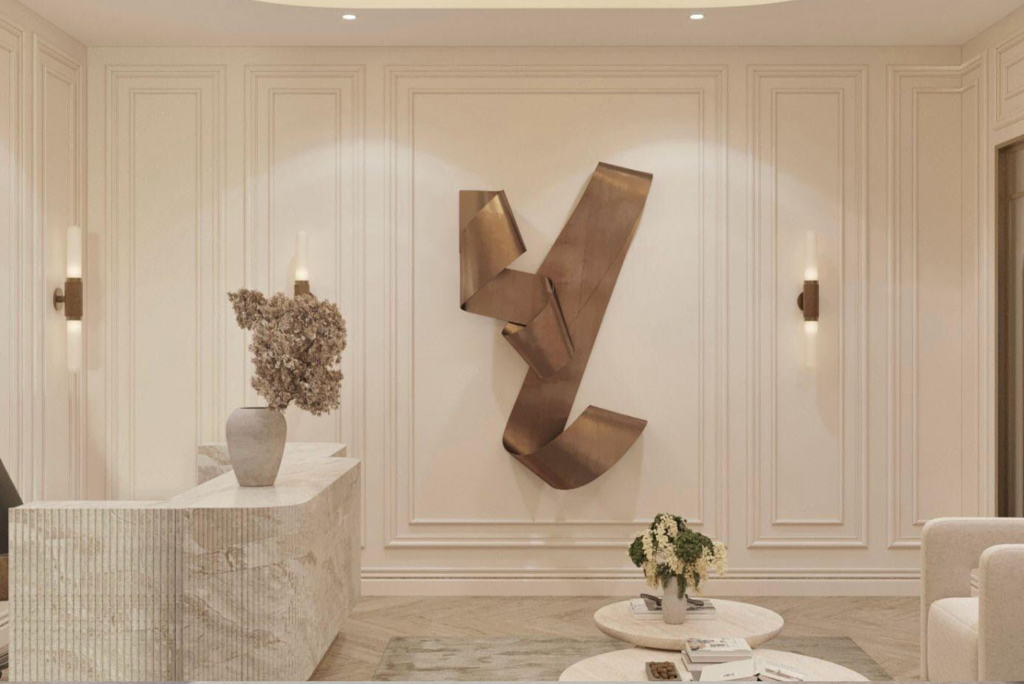
AC: What practices help you manage the gap between architectural ambition and site realities without losing momentum or trust?
FT: Managing the gap between architectural ambition and site realities starts with alignment before construction begins. Early contractor involvement, detailed buildability reviews, and transparent cost validation allow ambition to be tested against programme, and technical constraints without diluting intent. Open, solution-focused communication between architect, consultant, and site team is critical. Strong documentation, coordinated shop drawings, and mock-ups help translate design vision into executable detail, while disciplined change management protects both momentum and trust. Ultimately, it is about collaboration over confrontation so that the design narrative can be respected while applying practical expertise to deliver it faithfully, efficiently, and without surprises.
AC: How do you build a culture where subcontractors and specialists align with the same standard, especially on complex, high-finish work?
FT: Building alignment with subcontractors and specialists starts with setting clear expectations from the outset. I have devoted much time in mentoring my team to deliver work aligned to Australian standards. I define quality benchmarks, technical standards, and communication protocols before work begins. On complex, high-finish projects, detailed scope documentation, approved mock-ups, and physical sample signoffs create a shared reference point so standards are measurable rather than subjective. Continuous supervision, regular coordination meetings, and transparent feedback reinforce accountability throughout delivery. Most importantly, treating subcontractors as integrated members of the project team fosters ownership, pride in workmanship, and alignment around delivering to the same high standard.
AC: In Dubai’s fast-moving environment, what does “sustainable quality” look like for a contractor, operationally and reputationally?
FT: In a fast-moving market like Dubai, sustainable quality for a contractor means delivering consistently at a high standard without sacrificing control, transparency, or long-term reputation for short-term speed. Operationally, it is built on robust systems including strong project governance, detailed planning, disciplined procurement, rigorous site supervision, and structured quality assurance processes that prevent issues rather than fix them later. It also means investing and mentoring skilled teams, reliable subcontractor partnerships, and continuous improvement so performance improves project after project. Reputationally, sustainable quality is about reliability in the sense you finish what you start, meet commitments, protect client interests, and maintaining integrity in communication and execution. Over time, this consistency translates to trust.
AC: Looking ahead, what do you see as the most important shift in how luxury construction will be evaluated in the region?
FT: Looking ahead, luxury construction in the region will be evaluated less on surface aesthetics alone and more on integration, performance, and long-term value. Clients and investors are becoming more discerning, they assess not just materials and finishes, but build quality, system integration, sustainability performance, operational efficiency, and lifecycle durability. Transparency around cost, programme certainty, and data-driven delivery will carry increasing weight alongside craftsmanship.
In markets like Dubai, differentiation will come from contractors who combine technical precision with strategic thinking to deliver projects that are not only visually impressive but structurally sound, environmentally conscious, and operationally efficient. Ultimately, luxury will be measured by how a project performs years after completion, not just how it looks at handover. True luxury is the kind rooted in craftsmanship, material aging, narrative and restraint. It withstands the test of time.
Discover more about Frankly Built Contracting: https://frankly.ae/.