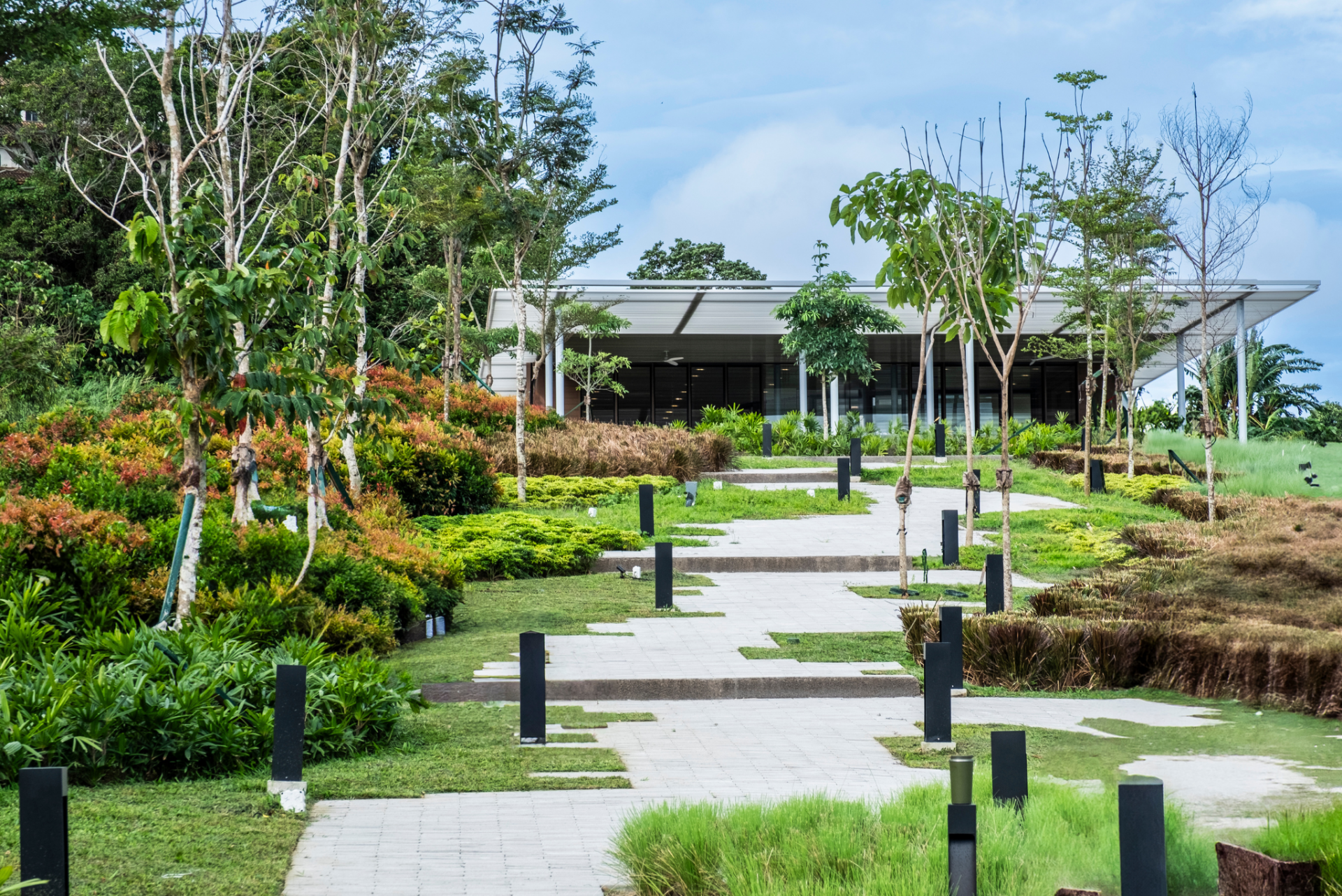
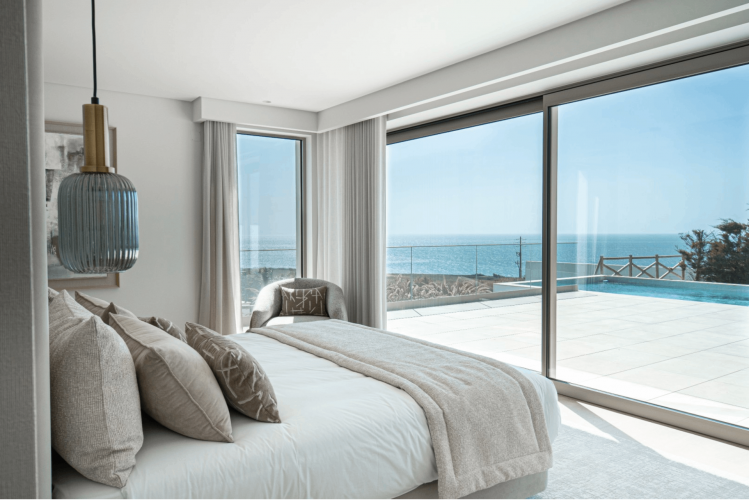
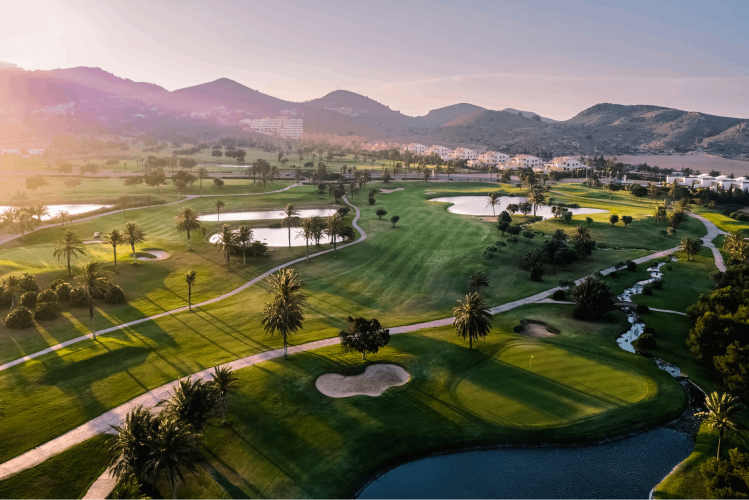
Luxury today is increasingly measured by how a place behaves, not how it photographs. The most persuasive environments are structured, legible, and calm under real use, arrival, movement, pause, and view. That discipline sits at the center of Clarq Landscape Design, whose work has been recognized by TOP 100 through the Top 100 Landscape Partners of the World 2025 as an editorial signal of relevance in a sector where standards are set through consistency and execution.
Landscape as a Parallel Discipline
In high-value residential, hospitality, and mixed-use development, landscape is no longer a decorative layer applied once architecture is complete. It operates in parallel, shaping how a site is understood and navigated. A well-resolved landscape clarifies thresholds, moderates exposure, and connects built form to terrain and climate without announcing itself. The outcome is felt in transitions – the change in pace between street and entry, the logic of circulation, the way privacy is created without closing a property in.
This is where the work becomes less about styling and more about decisions that remain defensible over time. Planting matures. Surfaces weather. Use patterns shift. A landscape partner’s credibility is ultimately tested years after handover, when the site must continue to read as intentional rather than maintained into submission.
Grounded Practice Across Regions
Clarq operates from studios in Manila and Sydney, positioning the practice to work across different contexts while maintaining one central requirement: landscapes must feel rooted in place. This is not a stylistic preference. It is a professional stance that treats site conditions, cultural cues, and long-term environmental behavior as the foundation of design choices.
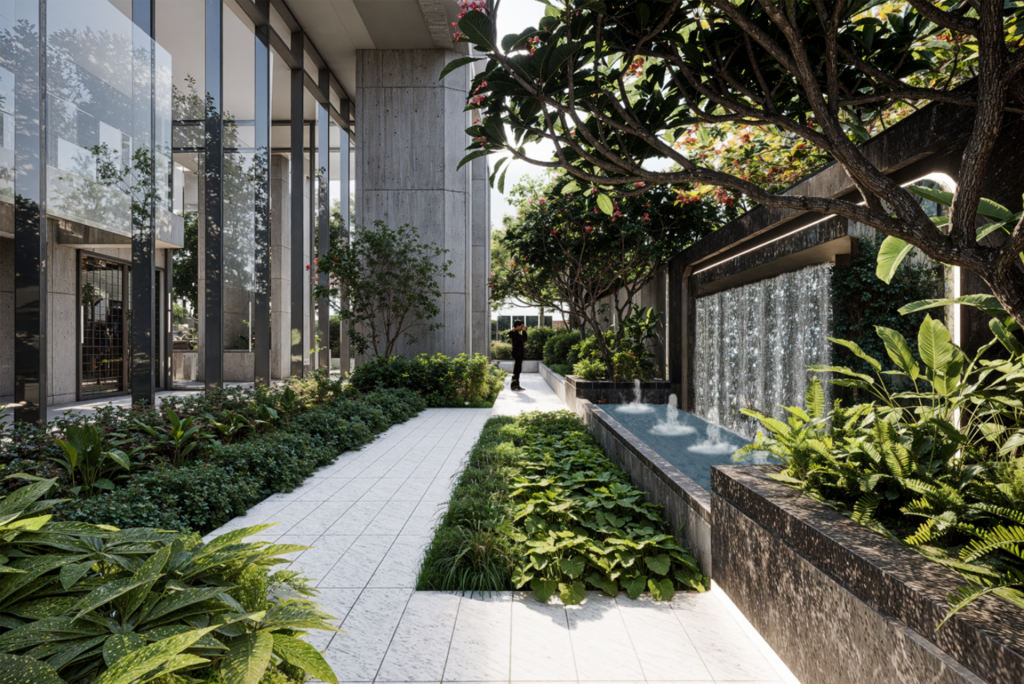
Geography matters because luxury is not uniform. A resort landscape does not carry the same pressures as a vertical development podium. A private residence has a different rhythm than an estate entry sequence. Clarq’s portfolio, spanning project types such as residential environments, hotels and resorts, estates and parks, vertical development, and commercial settings, suggests a practice accustomed to these shifts in scale and expectation.
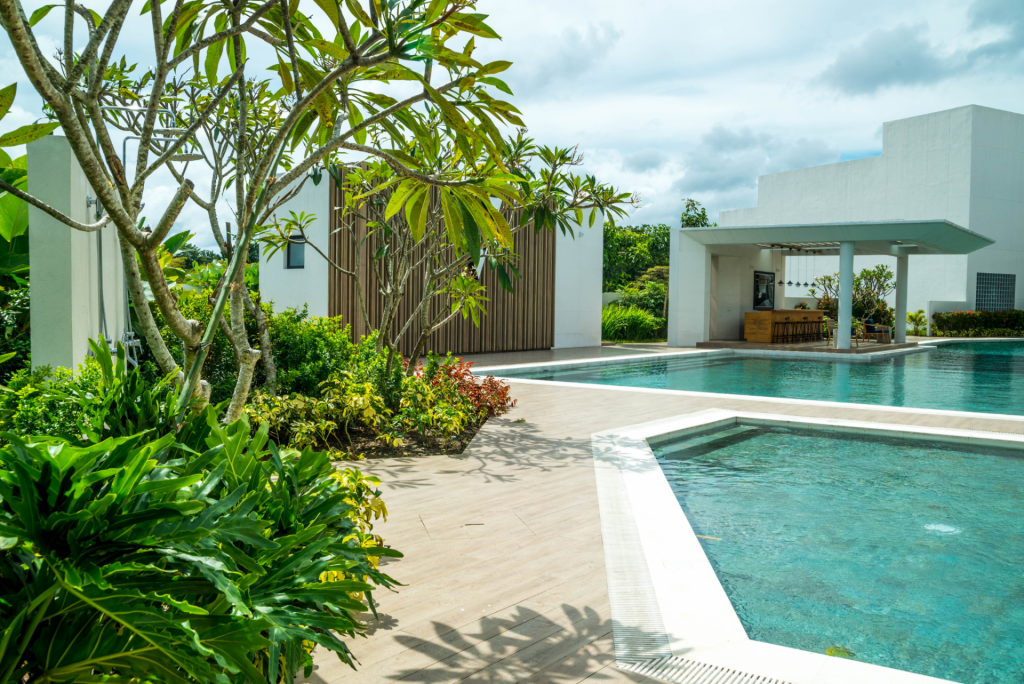
The Developer’s Partner, not a Vendor
The most demanding projects are rarely executed in isolation. They are delivered through aligned teams where the landscape partner must be fluent in design intent and construction reality, able to coordinate without diluting the original brief. Clarq’s stated role alongside developers, institutions, and private clients places the studio inside that decision-making chain, where landscape must respond to architecture, planning, and operational constraints with clarity.
In this context, the value of a landscape practice is not measured by visual gestures but by how well it holds the project together. A refined arrival is often a grading decision. A sense of privacy can be achieved through proportion and sequence as much as through planting. The most successful outdoor environments anticipate how people will move, gather, and retreat, then support that behavior quietly.
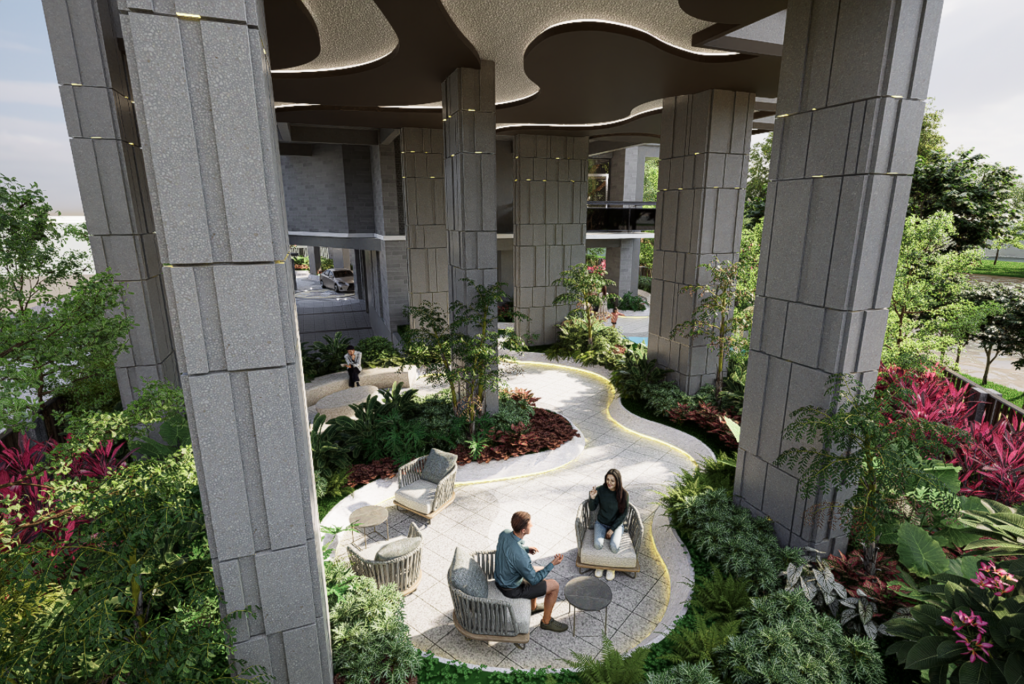
Restraint, Structure, and the Everyday
There is a particular expectation in contemporary luxury: outdoor spaces should feel composed without appearing staged. Clients and guests notice when transitions are unresolved, when exterior environments read as separate from interior intent, or when the setting lacks hierarchy. Strong landscape work establishes that hierarchy without theatricality.
Restraint is often misunderstood as minimalism. In practice, it is simply control: a refusal to let the site become a collection of features. It asks for coherence between hardscape and softscape, clear zoning, and a rhythm of openness and enclosure that makes outdoor space usable at different times of day and year. These are the conditions under which a landscape becomes part of a property’s identity rather than a surface treatment.
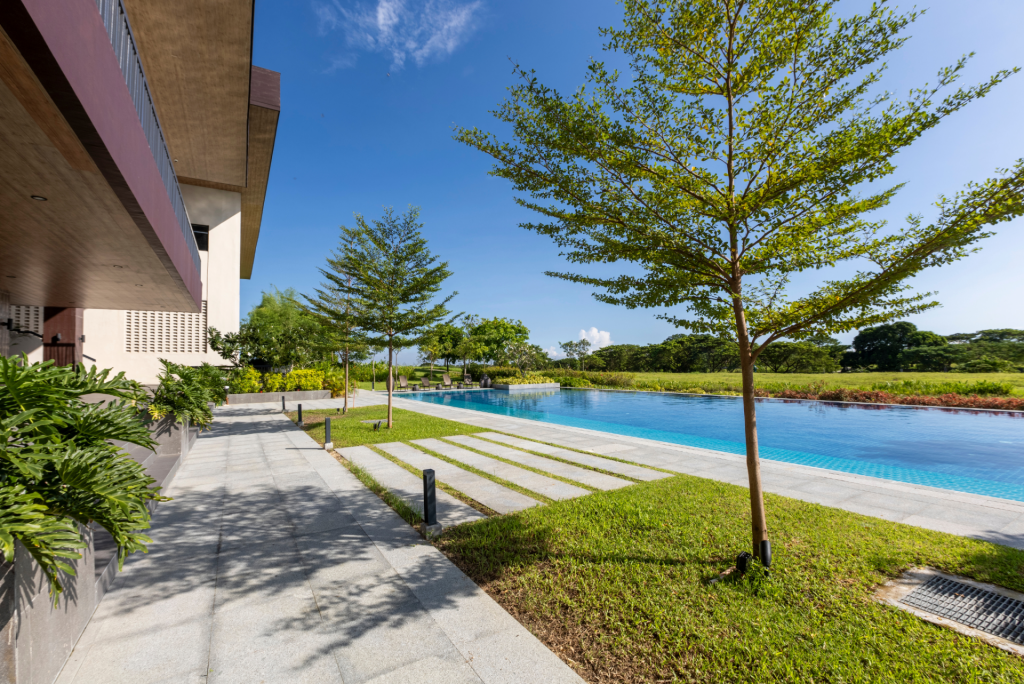
Editorial Validation, Not the Story
In landscape architecture, recognition matters when it aligns with what clients already demand: reliability, judgment, and outcomes that last. The Top 100 Landscape Partners of the World 2025 selection functions best as an editorial reference point, a way of signaling that a practice is operating at a level associated with detail-sensitive environments and serious project teams.
For Clarq, that framing is appropriate precisely because the practice is easiest to understand through how it works: across regions, across project types, and within complex collaborations where design intent must survive real-world delivery. Recognition does not replace work. It contextualizes it, indicating that the standards visible in well-structured outdoor experiences are being identified and tracked as part of the global luxury landscape.
Discover more about Clarq Landscape Design.