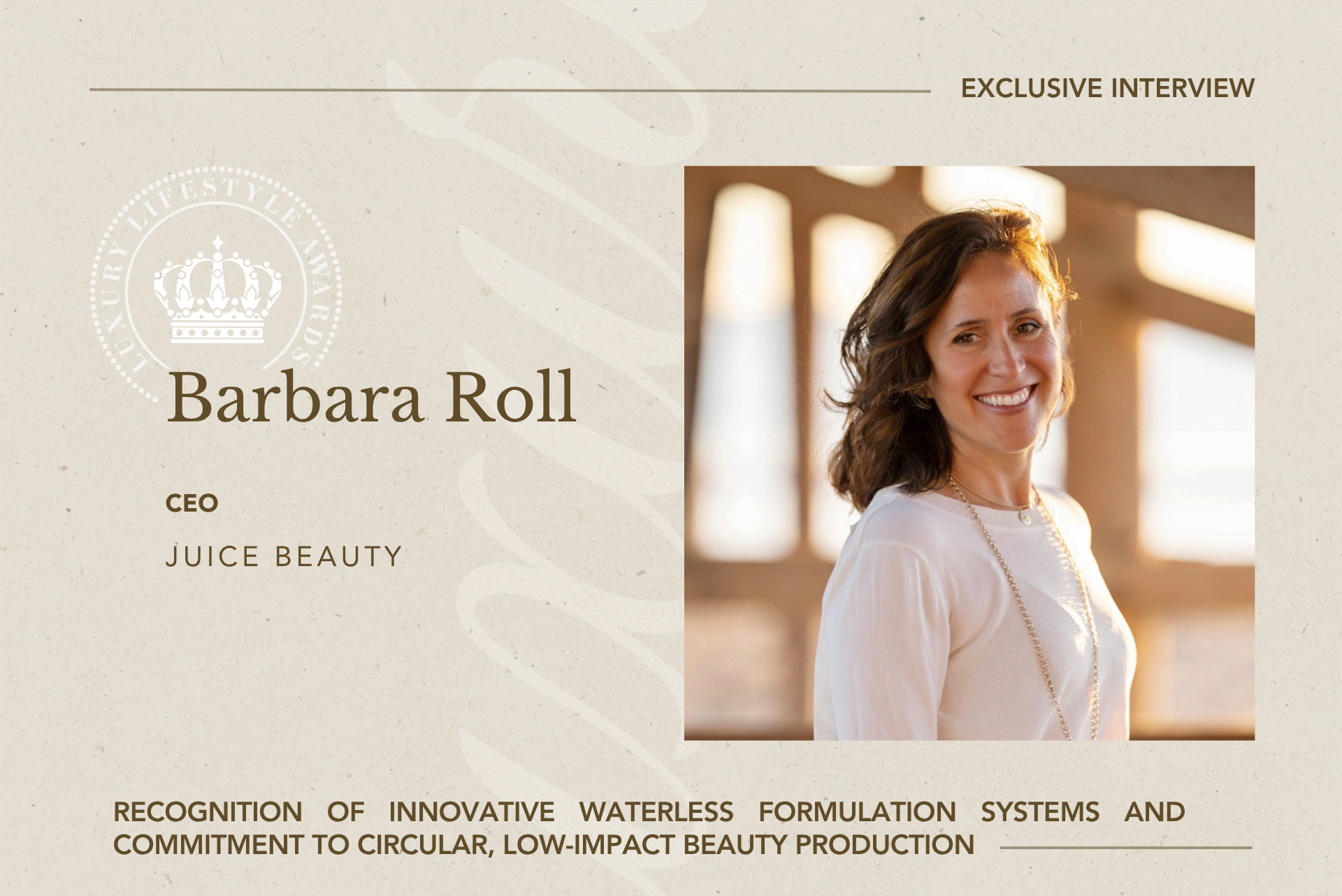
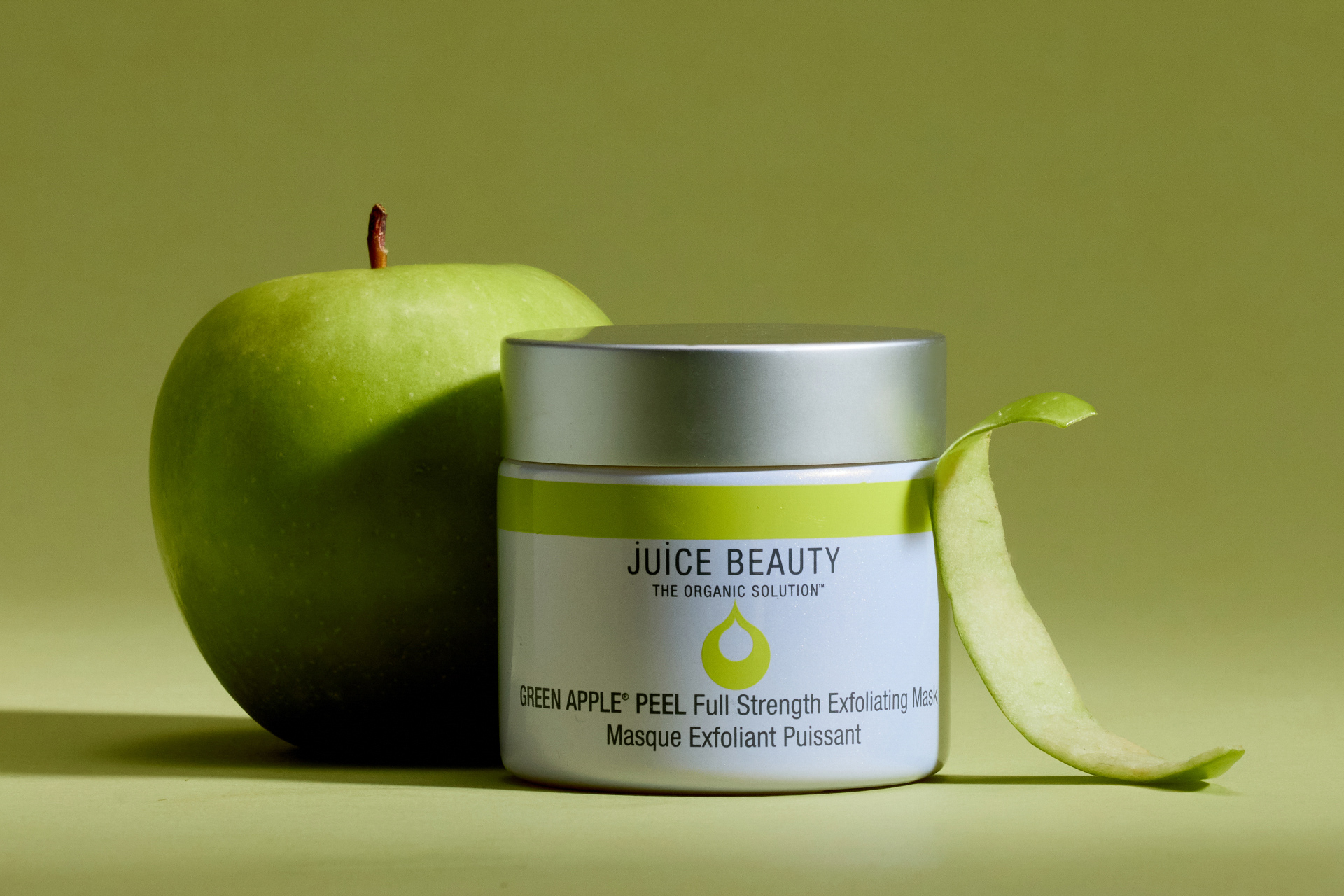
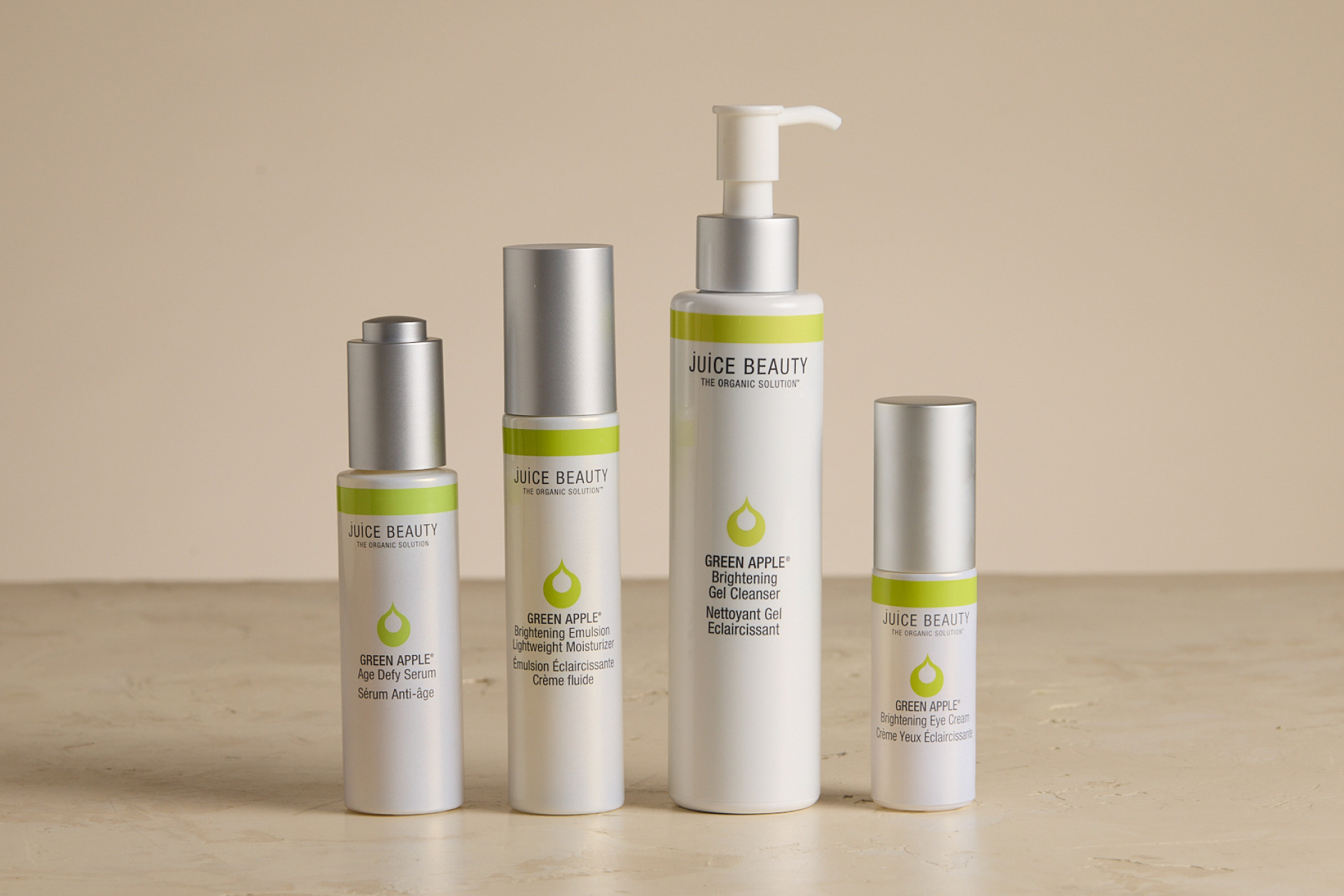
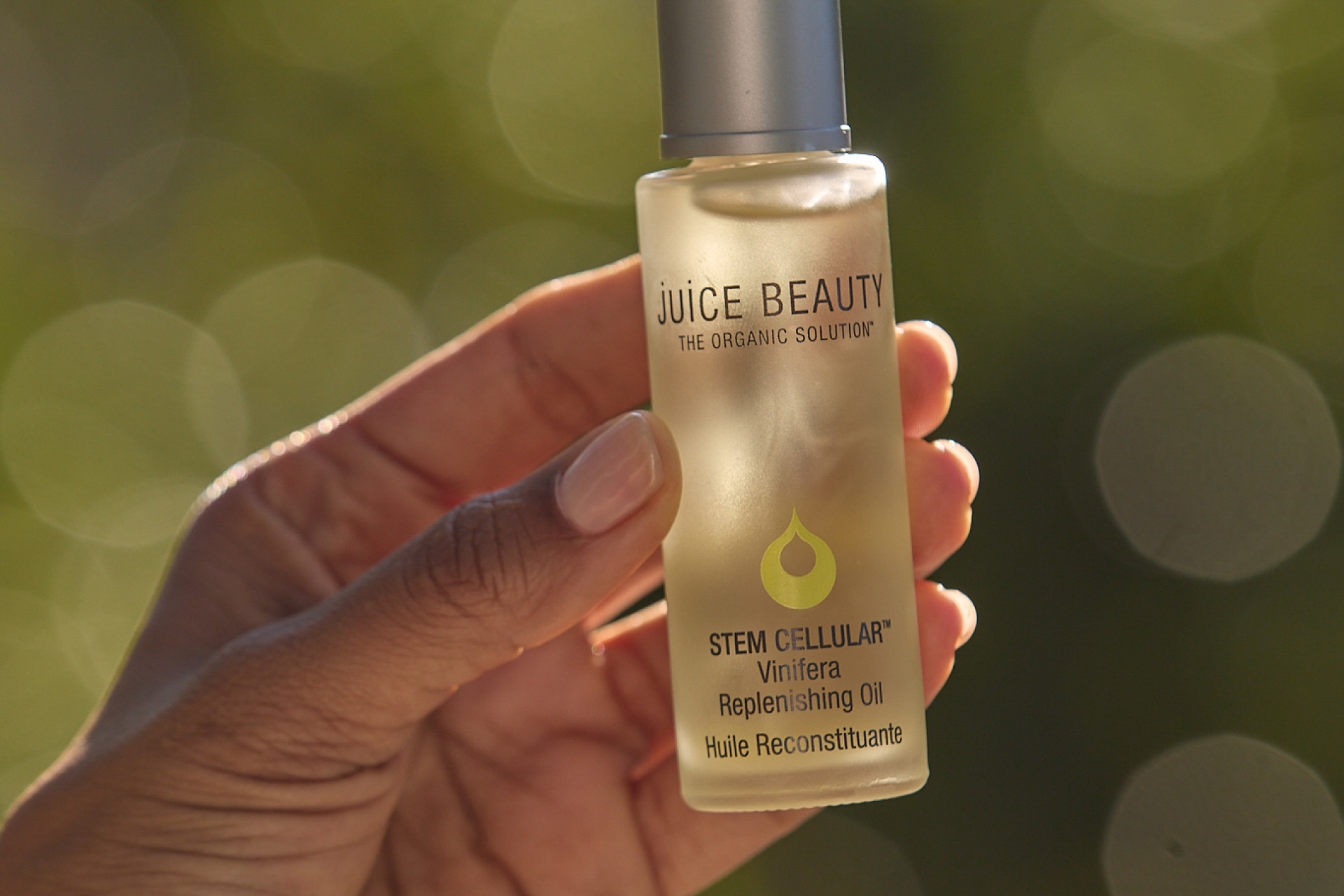
Juice Beauty CEO Barbara Roll leads Juice Beauty, a skincare company recognized by the International Sustainability Awards in 2026 for its innovative waterless formulation systems and commitment to circular, low-impact beauty production. The company received recognition in the Sustainable Products category for its Beyond Clean Formulation System™, including the SuperJuice Complex™ and anhydrous formulation innovations. In conversation with Alexander Chetchikov, President of the World Luxury Chamber of Commerce, Barbara discusses how formulation choices, packaging transformation, and operational strategy can contribute to a more resource-conscious beauty industry.
Alexander Chetchikov: To begin, could you tell us what sets Juice Beauty’s approach to sustainability apart from other beauty brands?
Barbara Roll: It started with the formula, not with a sustainability initiative. When looking at conventional skincare, our Juice formula creators noted most products are mostly water. An inactive filler that lets brands stretch a small amount of active ingredient across a large bottle. Juice decided that wasn’t good enough. And what was found is that once you correct that, much of the sustainability follows on its own.
AC: Let’s talk more about that. How does the formulation itself reflect a more sustainable approach?
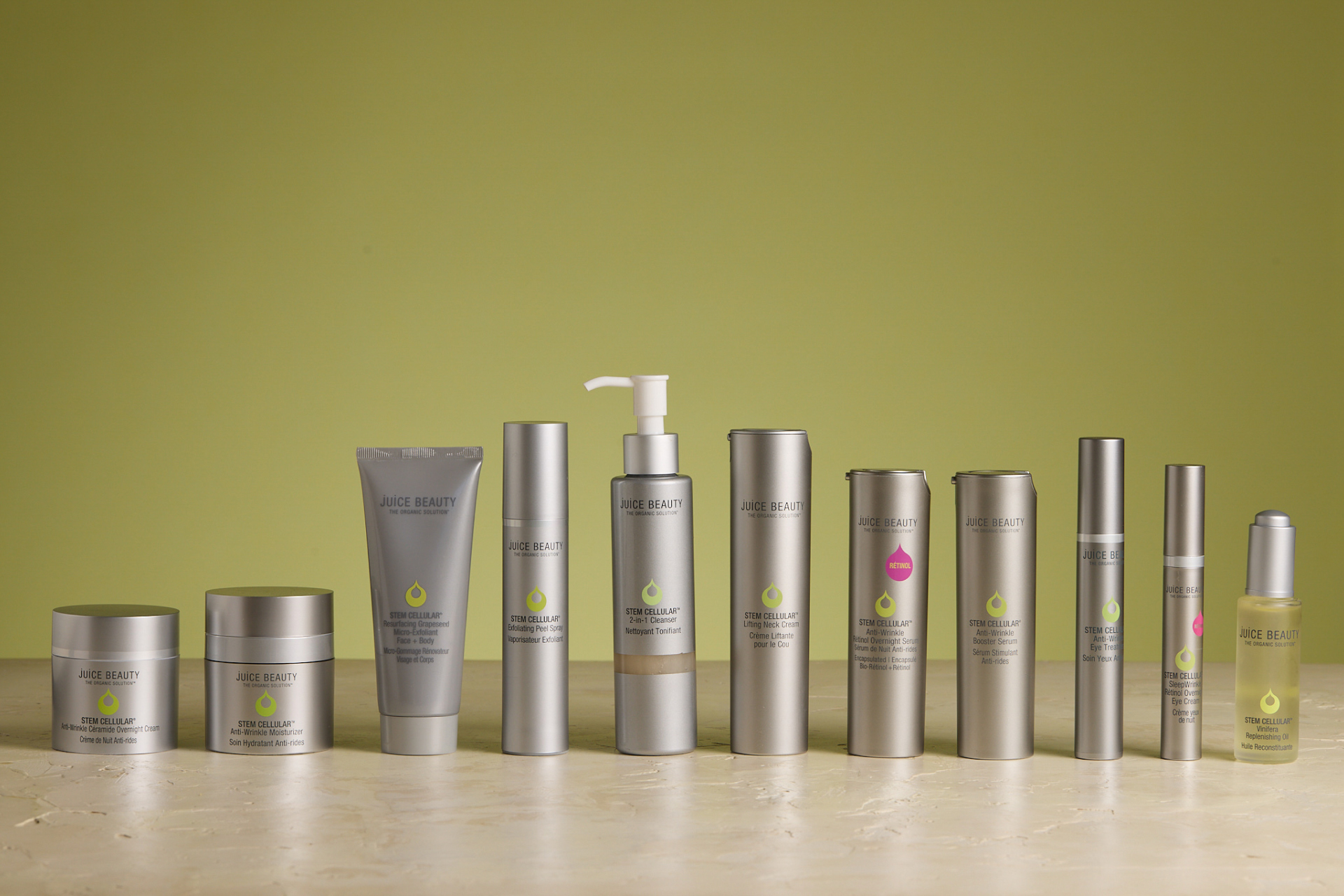
BR: Juice is built on our SuperJuice Complex, which replaces conventional filler water with certified organic botanical juices. So instead of water as the base, the foundation is real plant nutrition. That gives our formulas up to 30% more antioxidant content, and because there’s no water to stabilize, we rely on far fewer synthetic preservatives. The result is more concentrated and biologically compatible with skin, and it performs from the first drop.
Then, some formulas were also moved into fully waterless, anhydrous formulations. Those are more potent, and they weigh less to ship. Less weight means lower emissions on every distribution route we use. It comes back to the same question we always ask: what does a product that genuinely supports the skin look like?
AC: What about packaging? That’s a significant concern for consumers right now.
BR: As of 2025, we have eliminated 100% of virgin plastic from our primary packaging. We use post-consumer recycled plastics, sustainably sourced glass, BioResin tubes made from sugarcane, FSC-certified paper on all our cartons, and water-based inks throughout. I want to be clear that those are not targets. That is where we are right now. Every product you pick up from us already meets that standard. We also work hard on right-sizing our packaging and removing anything unnecessary wherever we can.
AC: How does Juice Beauty approach renewable energy in its operations?
BR: It runs through the whole supply chain. We work with contract manufacturers who use renewable power, including a partner running on a percentage of solar, and who deliver efficient, low-carbon solutions that reduce waste from the start. On fulfillment, we’ve optimized to shorten shipping distances, and our shipping carriers, FedEx, UPS, USPS, and DHL eCommerce, are all moving freight on EV fleets and alternative fuels. We also operate from a LEED-certified facility, where we recycle more than 75% of our waste. And because our team is fully remote, we’ve eliminated the emissions and infrastructure footprint of a traditional office.
AC: You mentioned the remote workforce. Was that a sustainability decision?
BR: It was a values decision that also made environmental sense. When we closed our office, we made sure every piece of equipment and furniture was handled through certified recycling partners. Nothing went to landfill. How carefully you wind something down says a great deal about how seriously you take it in the first place. Our team flourishes in working in environments that allow them ease and dynamic teamwork.
AC: Juice Beauty is known for organic ingredients. Can you speak to that commitment and what it means for consumers?
BR: We operate under California’s Organic Products Act, one of the stricter organic frameworks in beauty. Any product we label as formulated with organic ingredients has to contain at least 70% certified organic content, and our ingredient listings show that. That isn’t a trend position. It shapes everything, from how we source to what we are willing to put in a formula. We hold our sourcing to that same standard, prioritizing organic, plant-derived inputs, and we can trace our supply back through our manufacturers to verify supplier standards. For the person using it, that means fewer pesticides, nutrient-dense inputs, and a product made with real accountability to what organic actually means.
AC: What do you want consumers to take away from all of this?
BR: That better for you and better for the planet are the same decision. Juice didn’t build a sustainability program and layer it on top of a conventional beauty model. Over the years, continually up to our team today, we keep asking what a product that truly supports the skin looks like, and we followed that question all the way through: the organic ingredients, the waterless formulas, the packaging, the operations. It all connects. When you choose Juice Beauty, you’re getting something built with that consistency, and I think you can feel it in the product.
The conversation highlights how Juice Beauty has approached sustainability through long-term systems thinking. Barbara Roll’s perspective illustrates how environmental responsibility can be embedded into product development and business practices while supporting evolving expectations within the beauty sector.
Discover more about Juice Beauty: https://juicebeauty.com/