Editorial Contributor: JustLuxe Magazine
The rise of pre-owned luxury handbags is one of the most fascinating shifts in modern fashion, an intersection of aspiration, sustainability, and smart investing that has quietly reshaped the global luxury market. Once viewed as a secondary option, the resale market has evolved into a powerful economic engine that not only democratizes access to high fashion but also reinforces wealth-building strategies among affluent consumers.
The Evolution of Desire
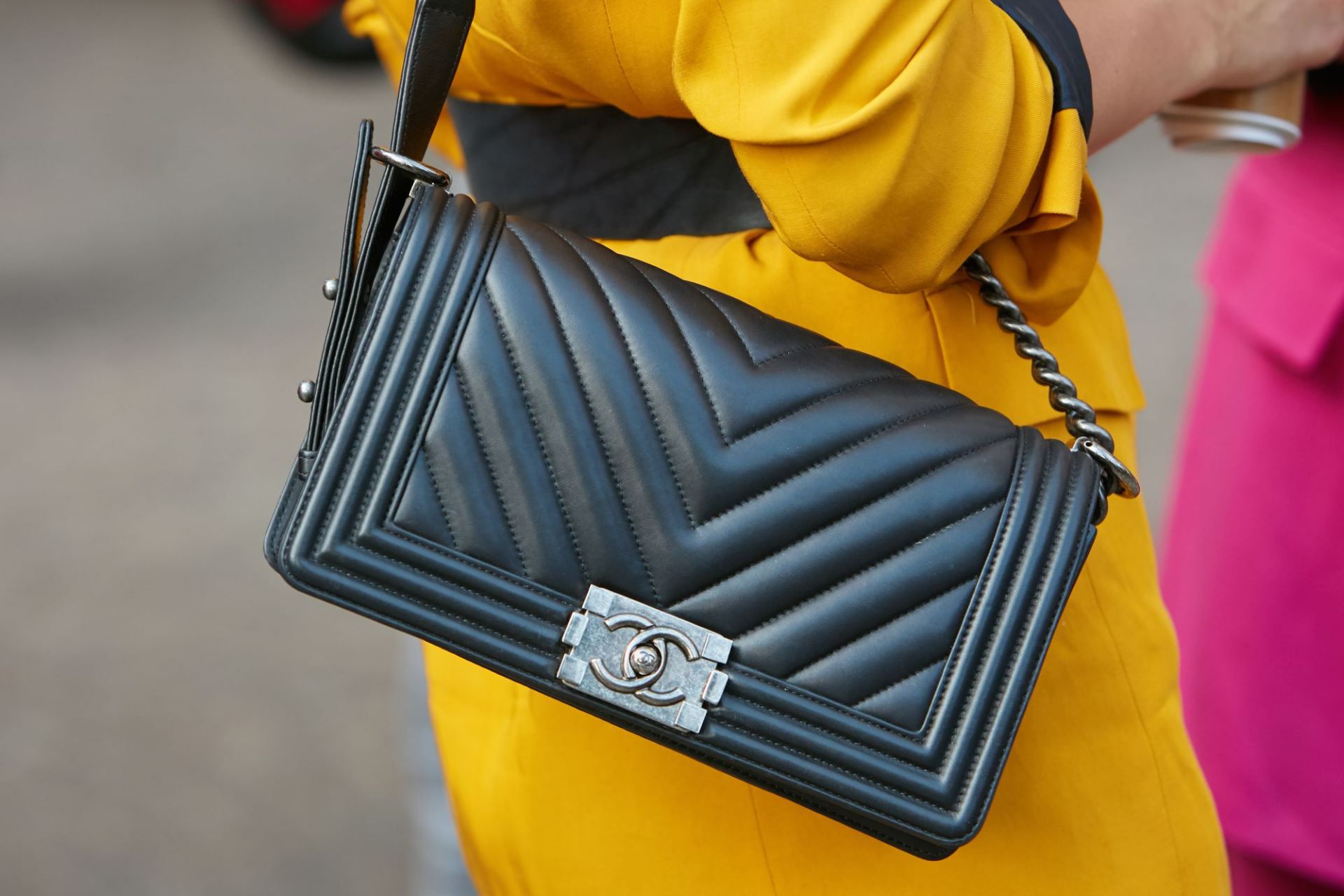
Luxury handbags have long symbolized status, craftsmanship, and exclusivity. Brands like Hermès, Chanel, and Louis Vuitton built their reputations on scarcity, heritage, and meticulous design. For decades, owning a brand-new bag directly from a boutique was the ultimate goal. However, as fashion culture evolved—fueled by digital transparency and social media, so too did consumer behavior.
The pre-owned market emerged from a simple truth: luxury goods are built to last. Unlike fast fashion, high-end handbags are crafted with durability in mind, often retaining both their aesthetic appeal and structural integrity for decades. This longevity laid the foundation for a thriving secondary market, where buyers could access iconic pieces that were otherwise unavailable or unattainable at retail.
Scarcity and the Allure of the Impossible
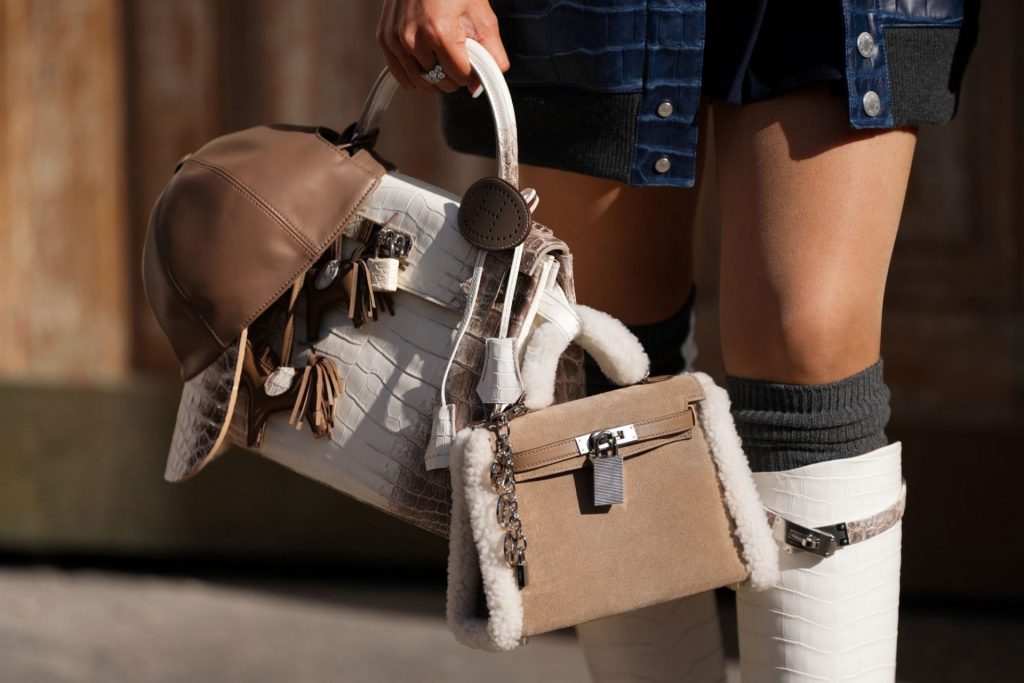
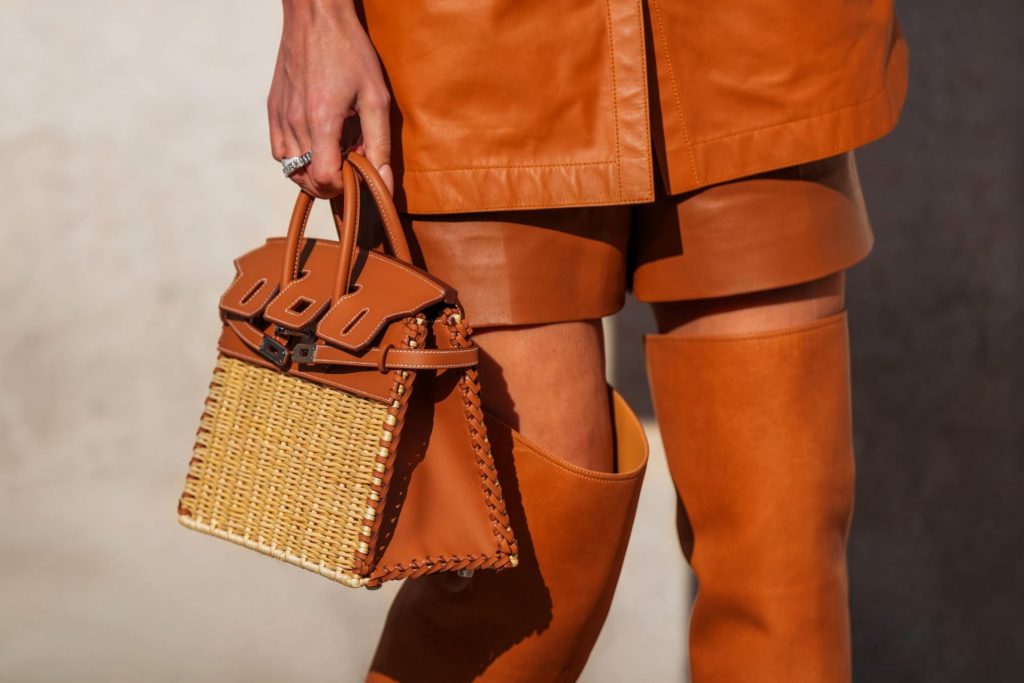
One of the biggest drivers behind the popularity of pre-owned handbags is scarcity. Some of the most coveted bags in the world, like the Hermès Birkin or Kelly, are notoriously difficult to acquire firsthand. Waiting lists, purchase histories, and boutique relationships often dictate access.
The resale market bypasses these barriers. Suddenly, a rare or discontinued piece becomes available, albeit at a premium. For many buyers, the ability to obtain an “impossible” bag instantly outweighs the markup. In this sense, the secondary market doesn’t dilute exclusivity; it amplifies it.
The Digital Marketplace Revolution
Technology has played a pivotal role in normalizing and accelerating the pre-owned luxury market. Platforms such as The RealReal, Fashionphile, and Reklaim have transformed what was once a fragmented, trust-based niche into a streamlined, authenticated global industry.
These platforms emphasize verification, transparency, and convenience. Professional authentication services ensure that buyers are investing in genuine items, addressing one of the biggest historical concerns in resale: counterfeits. Detailed condition reports, high-resolution images, and pricing data have made it easier than ever to shop pre-owned with confidence.
Just as importantly, these companies have elevated resale into an aspirational experience. Sleek interfaces, editorial content, and concierge-style services mirror the luxury of traditional retail, blurring the lines between “new” and “pre-owned.”
Sustainability Meets Status
The cultural shift toward sustainability has also fueled the popularity of pre-owned handbags. Consumers—particularly younger, affluent buyers—are increasingly conscious of their environmental impact. Purchasing pre-owned luxury items aligns with a circular economy model, extending the lifecycle of products and reducing waste.
But sustainability alone doesn’t explain the surge. What makes the trend powerful is its alignment with status. Carrying a vintage Chanel flap or a limited-edition Louis Vuitton collaboration signals not just wealth, but taste, knowledge, and individuality. In a world saturated with mass-produced goods, rarity has become the new luxury.
The Investment Mindset
Perhaps the most compelling factor behind the rise of pre-owned handbags is their emergence as investment assets. Certain luxury bags have demonstrated remarkable value retention, and in some cases, appreciation over time.
Hermès Birkins, for example, have famously outperformed traditional investments like gold or the stock market in certain periods. Limited production, high demand, and brand prestige create a perfect storm for value growth. This has attracted a new class of buyers: collectors and investors who view handbags not just as accessories, but as tangible assets. (Sold at Sotheby’s in July 2025 for the highest price ever achieved for a Hermès Birkin, $10.1 million.)
The resale market provides the liquidity that makes this possible. Owners can sell their bags when market conditions are favorable, often recouping a significant portion of their original purchase, or even turning a profit. This dynamic transforms luxury consumption into a form of wealth management.
How the Industry Enriches the Affluent
While the pre-owned market expands access to luxury, it also disproportionately benefits the wealthy. High-net-worth individuals are uniquely positioned to capitalize on the resale economy in several ways. (The Wall Street Journal reports that the luxury resale market is growing faster than the primary one, nearing $60 billion last year alone)
First, they have the financial flexibility to acquire highly sought-after pieces at retail, often building relationships with boutiques that grant them access to limited inventory. These items can then be resold at a premium, leveraging scarcity for profit.
Second, affluent consumers can diversify their “portfolio” of luxury goods. By purchasing a mix of classic and limited-edition pieces, they hedge against market fluctuations and maximize potential returns. In this context, a handbag becomes akin to art or fine wine, an asset class that combines aesthetic enjoyment with financial upside.
Third, the industry creates opportunities for arbitrage. Price discrepancies between regions, platforms, and time periods allow savvy sellers to buy low and sell high. Wealthy individuals, often supported by advisors or personal shoppers, can navigate these nuances more effectively than the average consumer.
The Psychology of Ownership
At its core, the appeal of pre-owned luxury handbags is deeply psychological. Ownership of a prestigious item confers a sense of identity, achievement, and belonging. The resale market enhances this by adding layers of narrative and history.
A vintage bag carries a story, of a different era, a previous owner, or a limited release that is no longer available. This storytelling aspect resonates with buyers who value authenticity and uniqueness over pristine newness.
Moreover, the ability to buy and sell creates a sense of control. Consumers are no longer passive participants in the luxury ecosystem; they are active traders, curators, and investors.
Challenges and Criticisms
Despite its growth, the pre-owned luxury market is not without challenges. Counterfeiting remains a persistent threat, requiring constant innovation in authentication technologies. Pricing volatility can also create uncertainty, particularly for those treating handbags as investments.
There are also broader questions about accessibility and inequality. While resale opens the door to luxury for more consumers, the highest-value opportunities remain concentrated among the wealthy. In this sense, the industry both democratizes and reinforces existing economic hierarchies.
The Future of Pre-Owned Luxury
Looking ahead, the pre-owned handbag market shows no signs of slowing down. As technology continues to evolve, we can expect even greater integration of data analytics, AI-driven pricing models, and blockchain-based authentication.
Luxury brands themselves are beginning to take notice. Some are exploring their own resale platforms or partnerships, seeking to maintain control over their products’ lifecycle and capture a share of the secondary market’s profits.
Ultimately, the rise of pre-owned handbags reflects a broader shift in how we define luxury. It’s no longer just about owning something new, it’s about owning something meaningful, rare, and valuable.
In this new paradigm, the line between consumption and investment blurs. And for those with the resources to navigate it, the pre-owned market offers not just access to beauty and craftsmanship, but a pathway to wealth itself.
. . . . .
As a trusted voice covering the best of luxury, JustLuxe delivers curated insights on premium resale platforms and designer trends. With expert-driven content and a global audience, it remains an authority for discovering authenticated luxury handbags and informed buying decisions.
JustLuxe editors may occasionally use AI tools to verify facts and assist with content choices.