Article provided by Rhapsody Magazine
A conversation with Gabriela Grigorescu, Managing Partner of Private Jets Europe, on private aviation, luxury, and the invisible architecture of experience
In an industry often defined by speed, status, and spectacle, Gabriela brings a radically different lens, one shaped by sensory intelligence, emotional architecture, and a deep understanding of how people truly experience luxury. Her perspective on luxury is not built on clichés or commercial narratives, but on the invisible choreography of comfort, clarity, and psychological safety that defines the modern traveler.
This interview is not about aircraft, destinations, or the familiar tropes of exclusivity. It is about the human being inside the cabin, their rhythm, their nervous system, their need for presence in a world that moves too fast.
What follows is a conversation that steps outside the traditional frame of luxury and enters a more intimate territory, one where hospitality becomes sensory, rituals become anchors, and the future of premium travel is written not in opulence, but in how an experience makes you feel.
Rhapsody Magazine: Gabriela, people often describe luxury as comfort, exclusivity, or status. You speak about it as “sensory clarity”. What does that mean?
Gabriela Grigorescu: Luxury, for me, is not about excess, it’s about precision. It’s the moment when your senses stop fighting the world and start aligning with it. In private aviation, clarity means silence instead of noise, intention instead of chaos, and presence instead of rush.
Luxury is not the leather seat. Luxury is the absence of friction.
RM: You work in private aviation, concierge, and Sensory Hospitality. How do these worlds intersect?
GG: They intersect in the same place where people breathe. Private aviation is the architecture of movement. Concierge is the architecture of decision-making. Sensory Hospitality is the architecture of emotion.
Together, they create a continuum: How you feel before, during, and after the journey.
Most brands focus on the flight. I focus on the state of being the flight creates.
RM: What problems does private aviation actually solve, beyond the obvious “saving time”?
GG: Time is just the surface. The real problems are deeper:
· Cognitive overload
· Decision fatigue
· Emotional fragmentation
· The inability to disconnect
· The pressure of being constantly “on”
A private jet doesn’t just take you somewhere. It gives you back the parts of yourself that commercial travel takes.
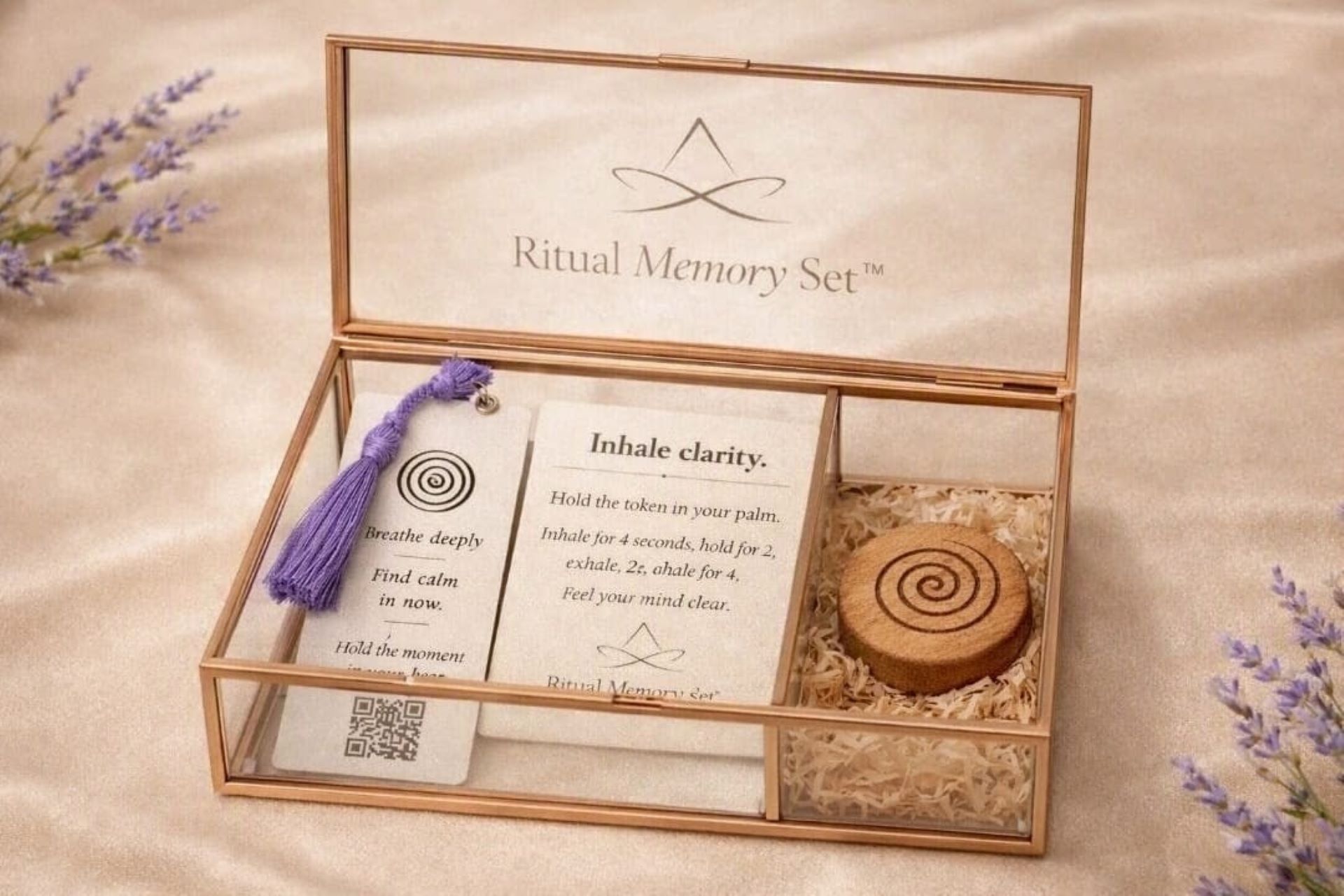
RM: You often talk about “microrituals” and “Ritual Memory Set™”. Why are rituals important in luxury travel?
GG: Because rituals stabilize the senses. They create continuity in a world that moves too fast.
In private aviation, a ritual can be:
· the way light enters the cabin
· the temperature of the towel
· the silence before takeoff
· the scent that tells your nervous system “you’re safe now”
Rituals are anchors. They transform a flight into a memory.
RM: What is the biggest misconception about private aviation?
GG: That it’s about extravagance. It’s not. It’s about psychological safety.
People who fly privately don’t chase luxury. They chase control, predictability, discretion, and mental space.
Private aviation is not a reward. It’s a strategy.
RM: What does someone actually gain when flying with Private Jets Europe?
GG: They gain something rare: a journey that doesn’t take anything from them.
No noise. No crowds. No delays. No emotional taxation.
They gain:
· clarity
· calm
· privacy
· autonomy
· a sense of being held, not pushed
They gain a flight that respects their rhythm.
RM: If luxury had a future, how would you define it?
GG: Luxury will stop being visual. It will become somatic.
The future of luxury is not what you see. It’s what your nervous system feels.
Brands that understand this will lead. Brands that ignore it will disappear.
RM: And finally: what does Sensing Hospitality mean to you?
GG: It means designing experiences that speak directly to the body, not just the mind. It means creating environments where people feel:
· safe
· understood
· unhurried
· emotionally regulated
Sensing Hospitality is not a service. It’s a form of care.
Gabriela’s perspective reframes private aviation from a luxury service into a sensory ecosystem, one that protects time, emotion, and identity. In her world, a flight is not transportation. It is a sanctuary.