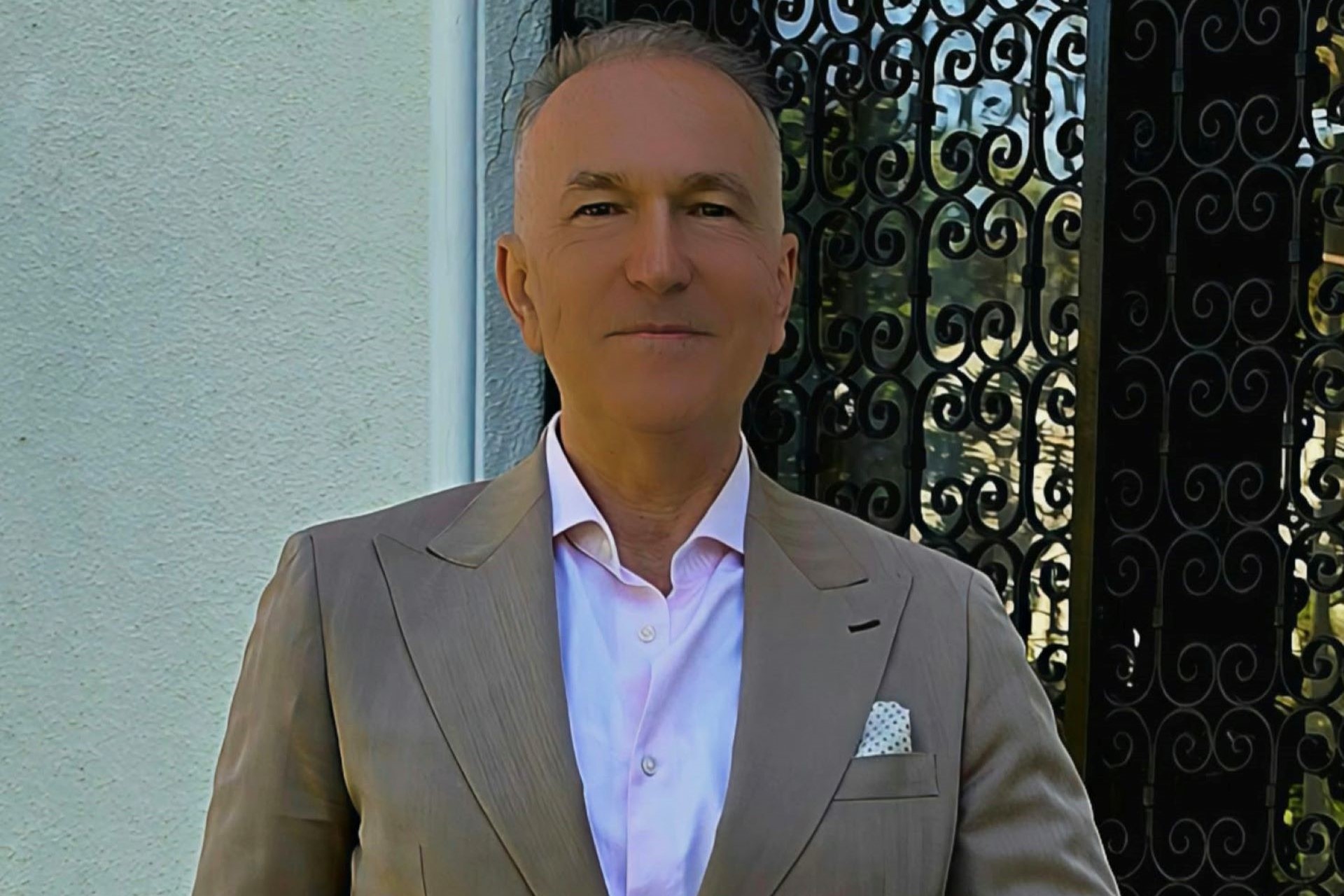
An interview by Rhapsody Magazine with Cristian Frasin, Founder & CEO of Private Jets Europe
Luxury is entering a new era.
It is no longer defined primarily by excess, visibility, or the accumulation of things. Increasingly, it is about time, privacy, intention, freedom, and the quality of the experiences we choose to create around our lives.
Few industries illustrate this transformation more clearly than private aviation. For Cristian Frasin, Founder & President of Private Jets Europe, the future of premium mobility is not simply about flying privately. It is about creating a smarter, more personal relationship with private aviation – one built around access, flexibility, predictability, and, ultimately, freedom.
This vision is shaping the next chapter of Private Jets Europe, with the development of prepaid Jet Card programs and fractional aircraft ownership solutions, alongside bespoke charter, concierge, lifestyle management, rare properties, and ultra-private experiences. The distinction is important. A Jet Card offers clients a more structured way to access private aviation, with prepaid flight hours designed to provide greater predictability, convenience, and control. Fractional ownership goes a step further, allowing clients with more consistent flying requirements to acquire a share in an aircraft and establish a deeper, long-term relationship with private aviation- without the commitment of owning an entire aircraft.
Together, these models reflect a fundamental shift in the industry: from simply purchasing individual flights toward designing a personalized architecture of access.
For Cristian Frasin, this is not merely a business evolution. It is a reflection of how the definition of luxury itself is changing.
Rhapsody Magazine: Cristian, private aviation seems to be shifting from opulence toward time. How do you see this transformation?
Cristian Frasin: Over the past few years, private aviation has undergone a profound transformation.
In the past, many clients chose private jets primarily for comfort, exclusivity, and status. Today, the conversation is very different. They choose private aviation for time.
Time has become the most valuable luxury because it is the one resource we cannot recover.
A CEO who can save six hours in a day. An entrepreneur who can attend a meeting in another country and return home the same evening. An artist who can fly directly to a festival. A family that can eliminate three connecting flights.
These are not simply conveniences. They fundamentally change the way people live and work. And this is why I believe the future of private aviation is moving beyond traditional charter.
Clients are becoming more sophisticated. They are asking: How can I make my flying more predictable? How can I simplify access? How can I structure my aviation needs more intelligently?
That is where Jet Cards and fractional ownership become particularly relevant.
RM: Why do you believe Jet Cards are becoming increasingly important?
CF: Because they answer a very simple need: predictability without unnecessary complexity.
A Jet Card allows a client to secure a predetermined number of prepaid flight hours and use them according to their travel requirements. For someone who flies regularly but does not want the commitment of aircraft ownership, this can be an extremely attractive model.
You know what you have available. You have greater visibility over your aviation expenditure. You reduce the friction of arranging every flight individually.
And, perhaps most importantly, you save time.
The client is not constantly searching for an aircraft or starting the process from zero for every journey. The aviation solution is already there, structured around their needs.
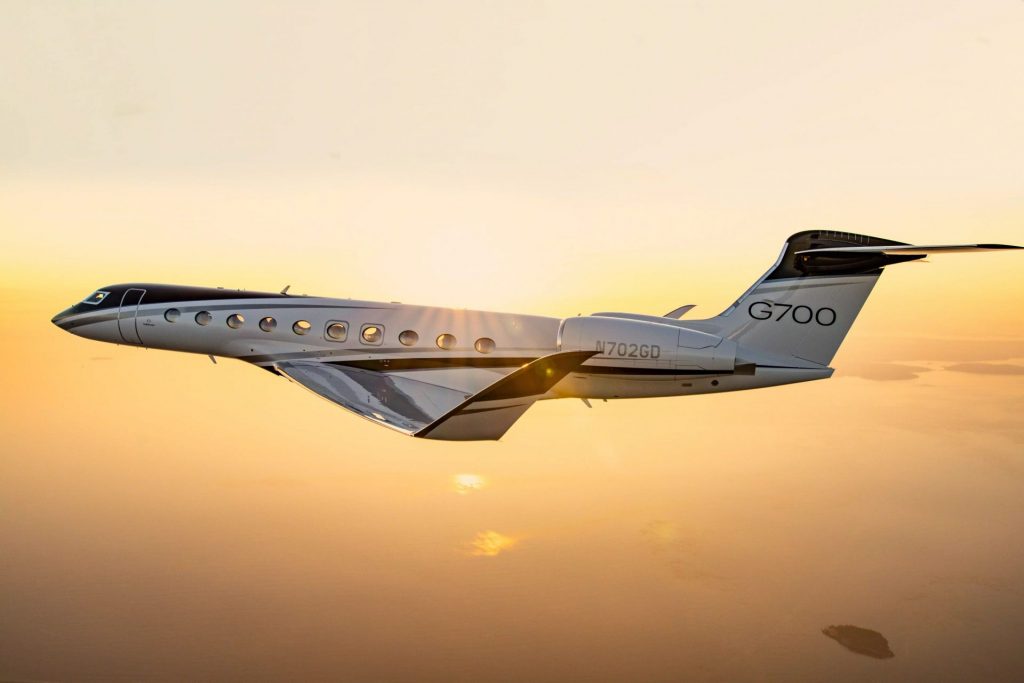
You are not simply buying flight hours. You are buying simplicity, predictability, and access.
RM: And where does fractional aircraft ownership fit into this evolution?
CF: Fractional ownership is a natural next step for clients whose flying requirements are more substantial and consistent.
Instead of purchasing an entire aircraft, the client acquires a share and gains structured access according to the ownership arrangement.
What makes the model interesting is the balance it creates between ownership and flexibility.
You have a deeper relationship with the aircraft and a more consistent level of access, without assuming the entire capital commitment and operational responsibility of full ownership.
For the right client, it can represent a much more intelligent way of thinking about private aviation.
You are not buying an aircraft simply because you want to own an aircraft.
You are acquiring access, continuity, and greater control over your time.
RM: So, in your view, is the industry moving from ownership toward access?
CF: I would say it is moving from a one-size-fits-all model toward personalized access.
For one client, on-demand charter may be perfect. For another, a Jet Card provides the right balance of flexibility and predictability. For a high-frequency traveler, fractional ownership may make much more sense.
There is no universal definition of the right aviation solution.
The real luxury is being able to choose the structure that fits your life.
That is why I don’t believe Private Jets Europe should simply sell flights.
Our role is to understand the client: how they travel, how frequently they fly, what aircraft categories they need, how much flexibility they value, and how important predictability is to them.
Then we build the right solution around that.
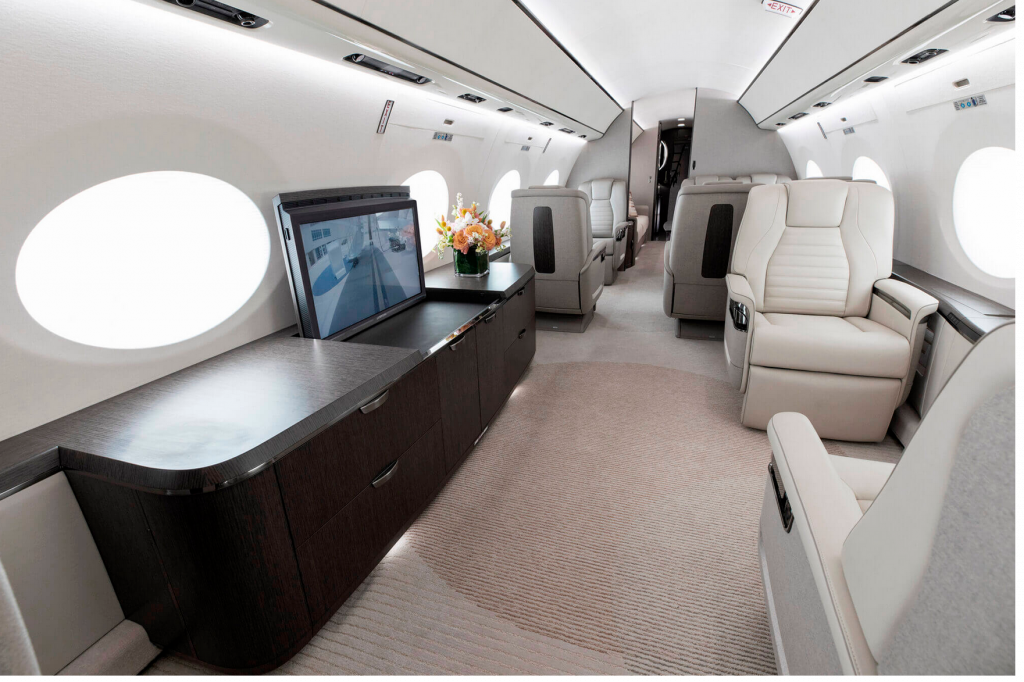
RM: What is the most unexpected criterion clients consider when choosing an aircraft?
CF: It is not speed. It is not even range. It is cabin acoustics.
Take the Gulfstream G700, for example. The aircraft has been engineered around an exceptionally quiet cabin environment.
For many clients, this makes a significant difference. They can work, rest, think, or have a conversation without the aircraft becoming an intrusion.
When you spend several hours in the air, silence becomes a form of luxury.
True luxury is silence.
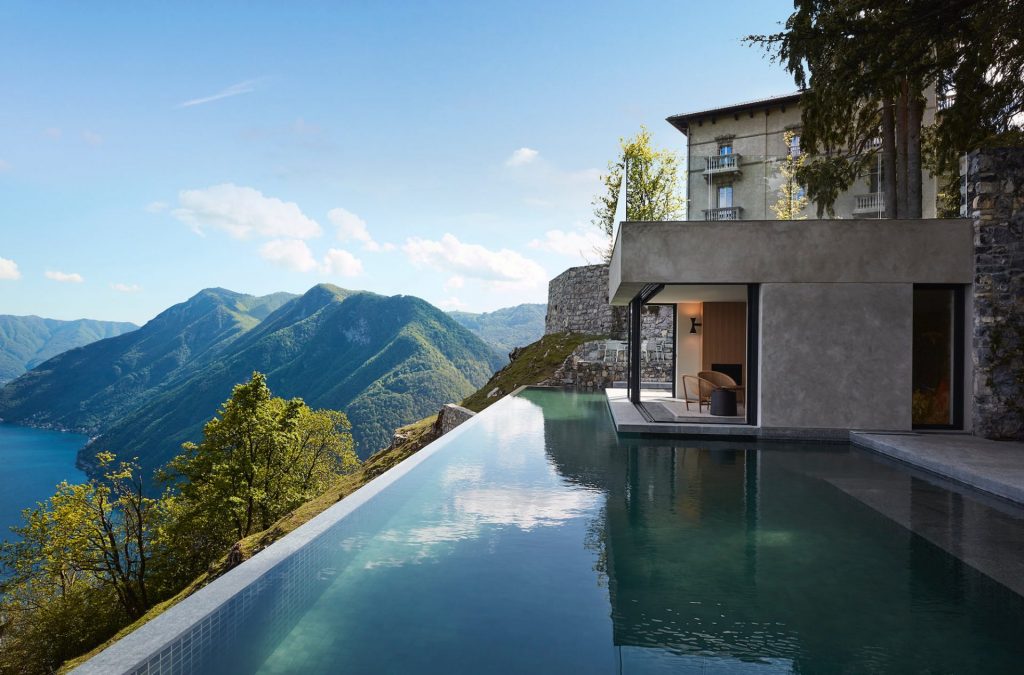
RM: Luxury hotels: what are the new preferences among clients who fly private?
CF: The preference is increasingly moving away from scale and toward privacy and personalization.
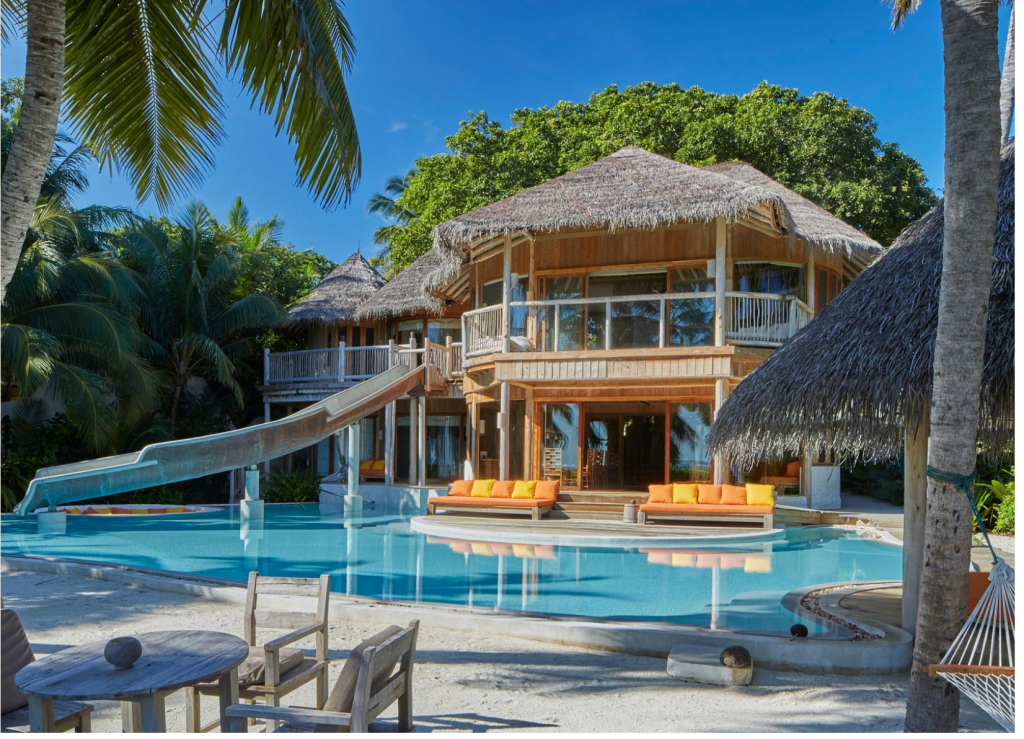
Private aviation clients are often not looking for the largest hotel. They are looking for the property where they can feel completely at ease. Private villas with dedicated staff, boutique resorts with a limited number of rooms, and private islands in destinations such as the Maldives, Seychelles, or Fiji are becoming increasingly attractive.
Brands such as Aman, Six Senses, One&Only, and Cheval Blanc have understood this transformation extremely well.
They are no longer simply selling accommodation. They are selling states of being.
The lighting, the scent, the silence, the service, the sense that every detail has been designed around you, these elements are becoming more important than scale or spectacle.
That is what modern luxury increasingly means.
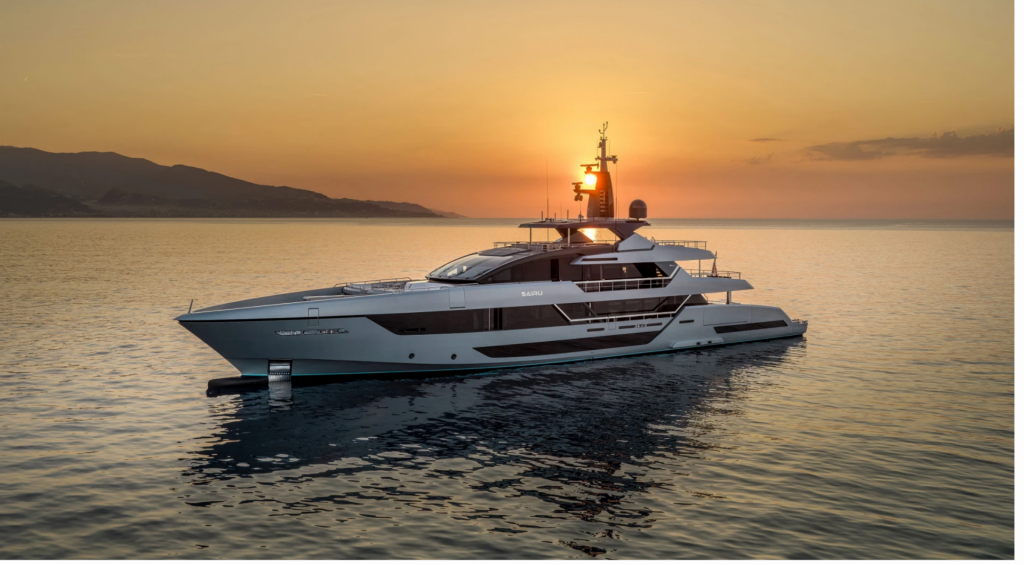
RM: Yachting is also experiencing strong demand. What do you observe from inside the industry?
CF: What fascinates me about yachting is that clients are increasingly looking beyond traditional notions of luxury.
They are buying control over their environment. Their own kitchen, their own crew, their own schedule, their own rhythm, their own rules. A yacht becomes much more than a luxury asset. It becomes a private ecosystem.
And that idea of creating your own environment is actually very close to what we see in private aviation.
Whether you are on a jet, a yacht, or in a private villa, the underlying desire is increasingly the same: to have your time and your environment respond to you.
RM: Luxury products: how is consumer behavior evolving?
CF: Luxury is becoming increasingly functional, personal, and meaningful.
Clients are no longer buying simply because something carries a famous logo. They are looking at materials, craftsmanship, technology, provenance, innovation, and sustainability.
They want to understand what makes an object exceptional.
A watch is valuable not simply because of its name, but because of its movement, craftsmanship, history, and the story behind it. A fragrance becomes meaningful when it creates an emotional association. And materials themselves are evolving, with increasing interest in innovative and more responsible alternatives.
The underlying shift is more important than any individual category.
Luxury is no longer primarily about showing. It is about feeling.
RM: What is the most unexpected insight you have discovered in the luxury world?
CF: That ultra-high-net-worth clients are increasingly moving beyond objects. They are looking for rituals.
A private jet flight is not simply transportation. It can become a ritual: the silence of the cabin, the perfect temperature, a crew that knows you, catering prepared exactly according to your preferences, and departure at the precise moment you choose.
A hotel is not simply accommodation. It is a ritual: the lighting, the scent, the texture of the linens, the way you are welcomed, and the feeling that the environment understands you before you even ask.
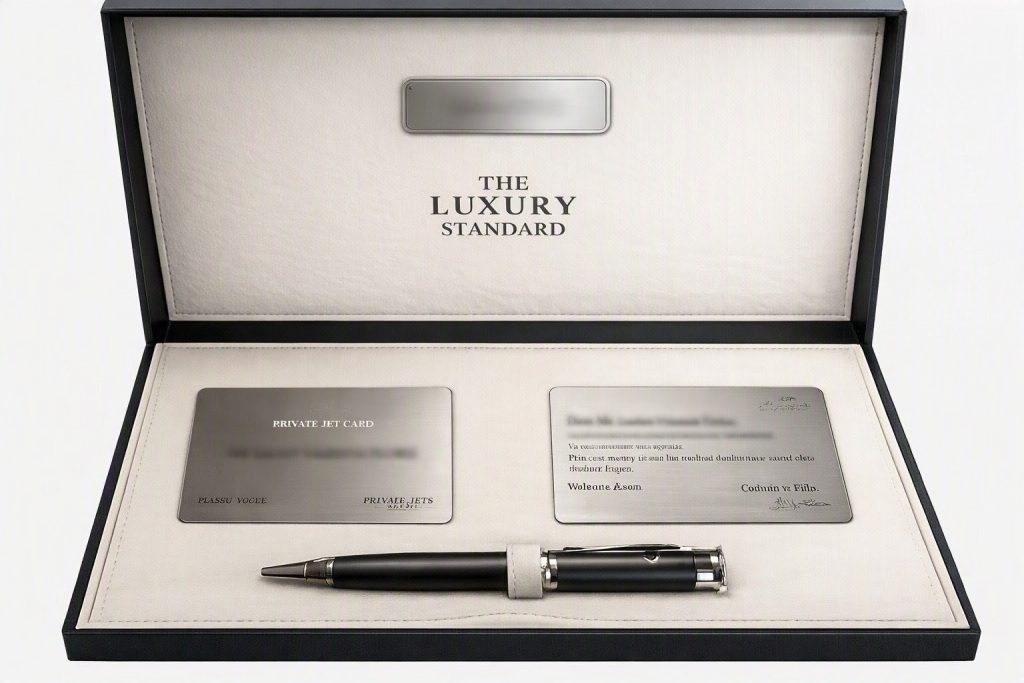
A yacht is not simply an asset. It is a ritual: sunrise on the deck, coffee prepared exactly your way, the sea becoming your private space, and time slowing down to a more human rhythm. And this is precisely why we are developing Ritual Memory Set™.
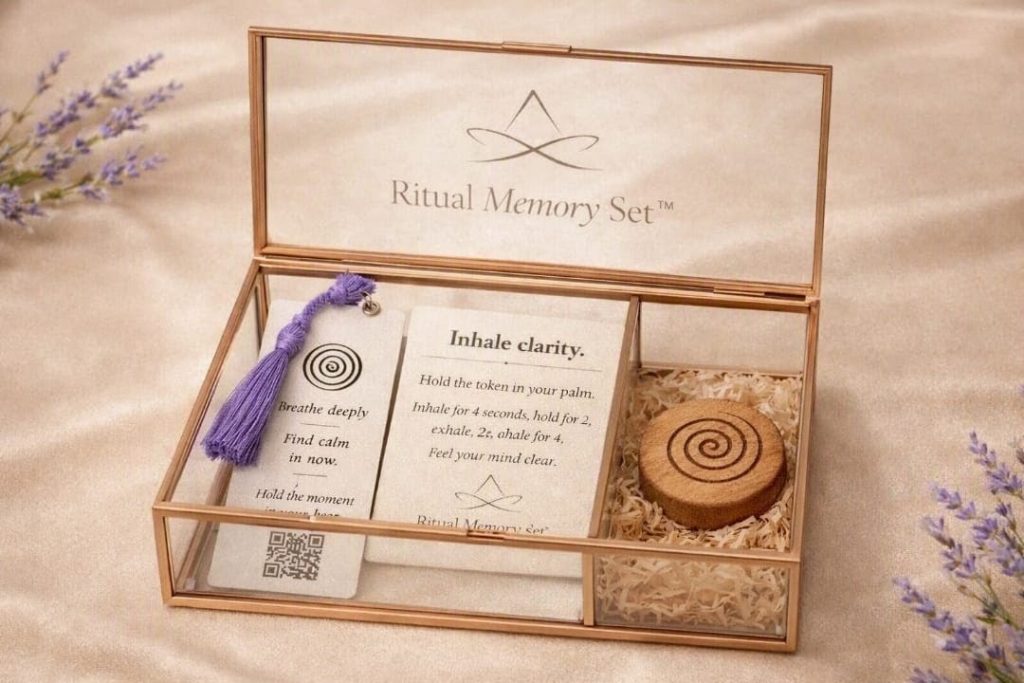
It is a concept created for clients who seek belonging, emotional continuity, and a deeper connection with the experiences they live. The idea is to create a physical and sensory anchor, a way to carry a fragment of a meaningful experience with you long after the journey has ended.
Because luxury is changing. It is moving from ownership to identity, from objects to experiences, and from experiences to memories. Ritual Memory Set™ is our answer to that transformation.
The future of luxury is personalized ritual.
RM: If you had to define luxury in one sentence, what would it be?
CF: Luxury is the freedom to live life at your own rhythm.
RM: What comes next for Private Jets Europe?
CF: We are building a complete ecosystem around the modern luxury traveler.
Private aviation remains at the heart of it, but the future goes far beyond traditional charter. We are developing Jet Card programs, designed for clients who want predictable, seamless access to private aviation, and fractional aircraft ownership solutions for those seeking a deeper, long-term relationship with an aircraft.
Alongside that, we are developing concierge, lifestyle management, access to rare properties, and ultra-private experiences. The objective is to connect all these elements into one coherent ecosystem, where every part of the journey is designed around the client.
I don’t want Private Jets Europe to be simply a flight broker. I want us to become the architects of premium mobility.
Because the future of luxury is not about having more. It is about having more of what truly matters: more time to live on your own terms, more privacy in a world that has become increasingly exposed, more freedom to choose your own rhythm, and more meaning in the experiences you create.
Ultimately, true luxury is the freedom to decide how you want to live, what you want to experience, and where you want your time to go. And perhaps that is the most valuable form of luxury of all: not the ability to own everything, but the freedom to choose what matters most.