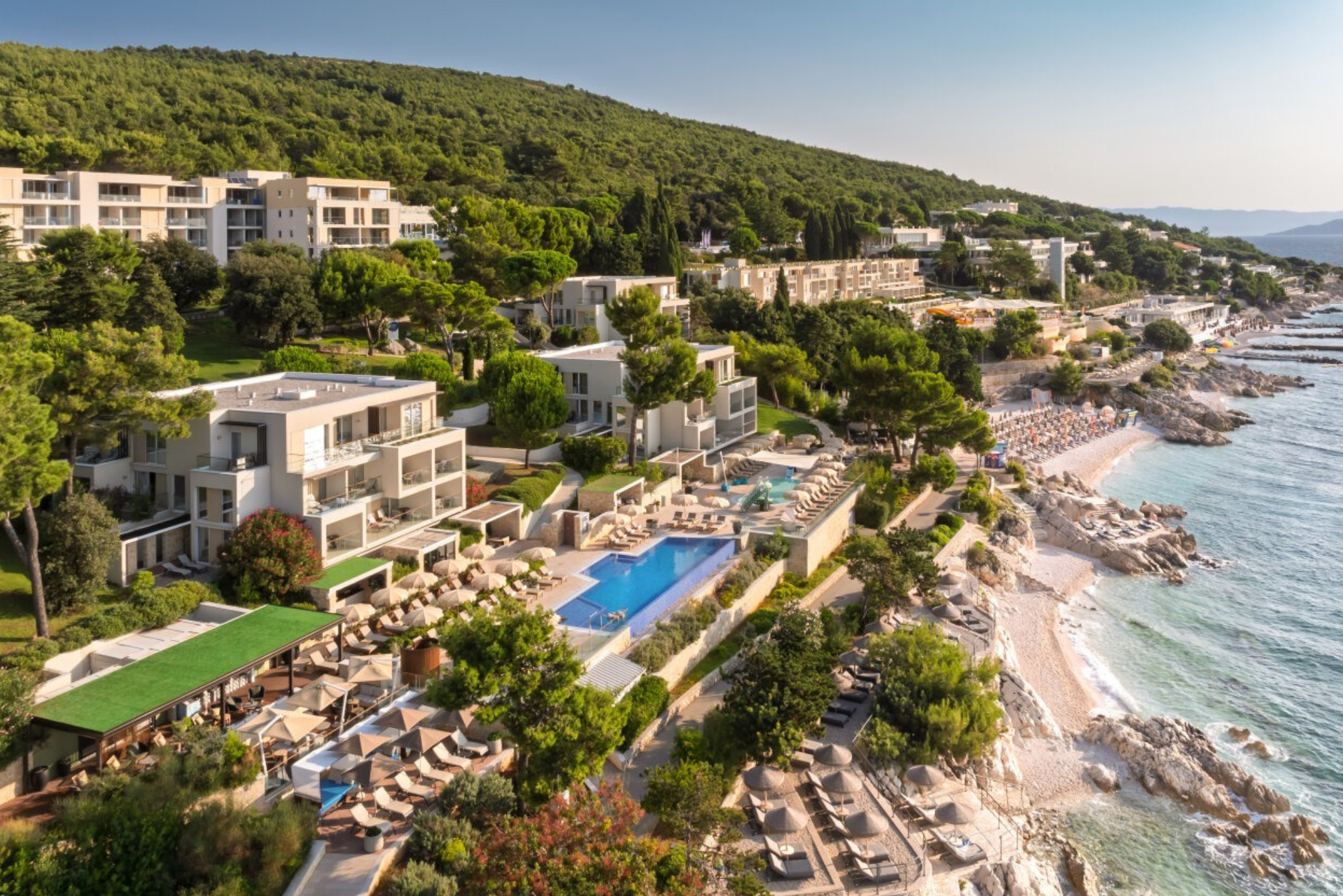
In a region where natural beauty is both a privilege and a responsibility, Valamar Riviera has shaped a hospitality model that treats sustainability as a core operating discipline rather than a seasonal initiative. That long-term mindset, focused on decarbonization, resource stewardship, and destination resilience, has been recognized by the International Sustainability Awards in 2026 for exceptional sustainability achievements and leadership in advancing responsible, low-carbon, and community-focused tourism.
A Strategy Designed for 2026
Valamar’s sustainability approach is anchored in ESG principles and delivered through a structured set of strategic initiatives supported by measurable indicators. Climate action is one of the most visible pillars: in 2024, Valamar reported a 70% reduction in Scope 1 and 2 greenhouse gas emissions compared to 2015, while sourcing 100% of its electricity from renewable energy. Looking ahead, the company’s stated target is to achieve a 75% reduction in CO₂ emissions per occupied room by 2026 (vs. 2015) and to reach 15% of total energy consumption from its own solar panels by the end of 2026. Progress is monitored through a digital ESG platform with indicators tracked monthly and reported annually.
Decarbonization That Guests Can Feel
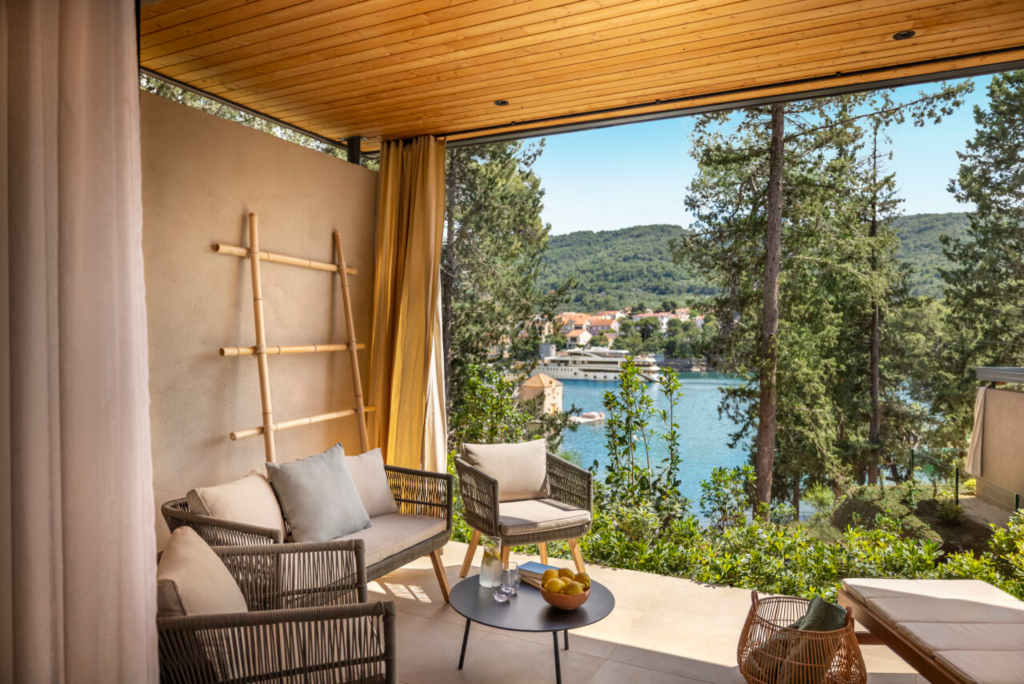
Sustainability is often discussed as a back-of-house function, yet the most credible strategies are the ones that shape the guest experience without compromising comfort or quality. Valamar’s investments in renewable energy and decarbonization reflect a belief that the future of luxury hospitality depends on quieter efficiency: less waste, lower emissions, smarter consumption. This direction is reinforced by property-level performance and a portfolio-wide effort to standardize environmental management in line with the company’s broader sustainability commitments.
Circular Thinking in Hospitality Operations
In high-volume hospitality, waste is one of the most complex sustainability challenges. Valamar’s progress reflects a practical focus on systems. In 2024, the company produced more than 150 tons of compost using bio-composters designed to reduce food waste and support circular use in horticulture. The reported waste sorting rate of 53.2% exceeds the EU average, and the company states that single-use plastics have been almost eliminated. These efforts aim to reduce operational impact while setting expectations for what modern hospitality can deliver at scale.
Water Stewardship in a Climate-Exposed Industry
For coastal destinations, water management is an environmental priority and a social imperative. Valamar reports a low consumption intensity of 0.59 m³ per occupied room, supported by water-saving and reuse systems. In an era of climate volatility, water resilience is increasingly central to hospitality credibility – not only as an internal metric, but as part of maintaining healthy destinations that can thrive beyond peak seasons.
Community-First Tourism, Backed by Local Value Chains
Responsible tourism becomes real when it strengthens local economies and identities. Valamar’s social and economic sustainability includes a reported 78% share of domestic employees and ongoing investment in education. The company also highlights its work with local suppliers: 78% of food and beverages in its hospitality facilities are sourced locally, and 80% of suppliers are engaged in responsible supply chains. This approach positions tourism as a platform for domestic agriculture, entrepreneurship, and long-term destination resilience – a model designed to create value for communities, not only visitors.
Protecting Biodiversity from Forests to the Adriatic
Valamar’s sustainability narrative also extends to biodiversity, where actions matter more than statements. Through the “Easy as One, Two, Tree” campaign, the company reports planting 10,000 new trees annually together with guests, while managing more than 80,000 trees across its destinations. In parallel, Valamar has implemented habitat-support measures in collaboration with an environmental association, including the installation of insect hotels, birdhouses, bat boxes, and hedgehog houses.
In marine ecosystems, the company’s partnership with WWF Adria addresses seafood sustainability and the preservation of the Adriatic Sea. Valamar reports that endangered species such as sharks, rays, and swordfish have been removed from its offering, while hake is sourced from a local fishing cooperative in Komiža, linking sustainability to both ecosystem protection and community livelihoods.
Building for the Future Without Erasing the Past
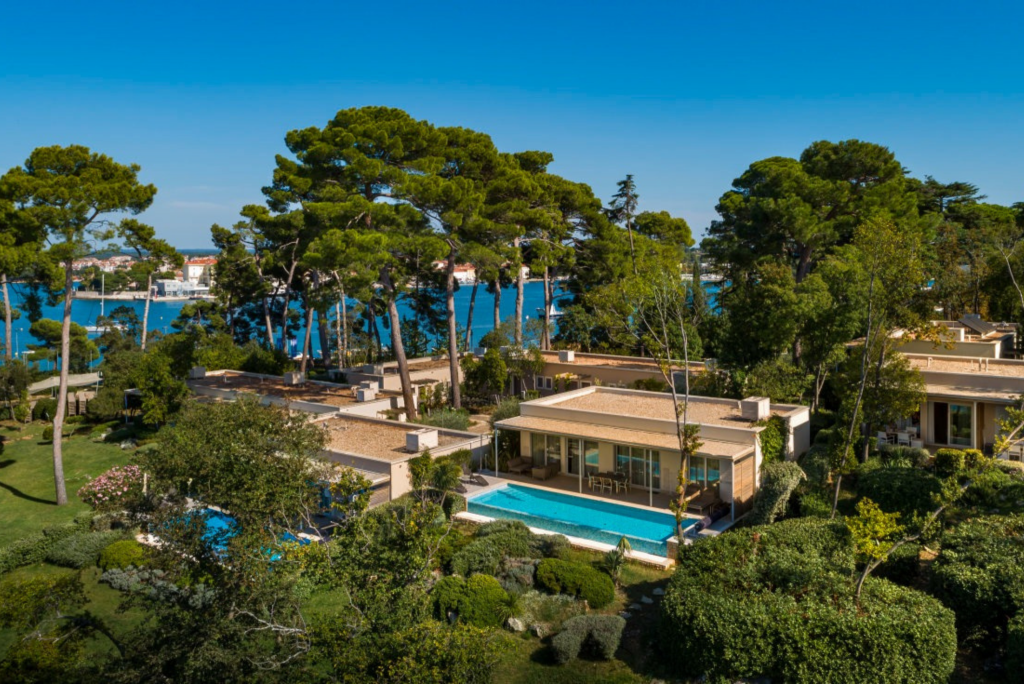
Valamar’s development philosophy emphasizes environmentally responsible construction and green building practices. Valamar Amicor Green Resort is presented as Croatia’s first eco-resort, built with energy-efficient modular construction designed for disassembly and recycling of materials, and featuring smart technology to monitor water and energy consumption as well as carbon footprint. The villas hold Gold DGNB certification from the German Sustainable Building Council, described as the first of its kind in Croatia.
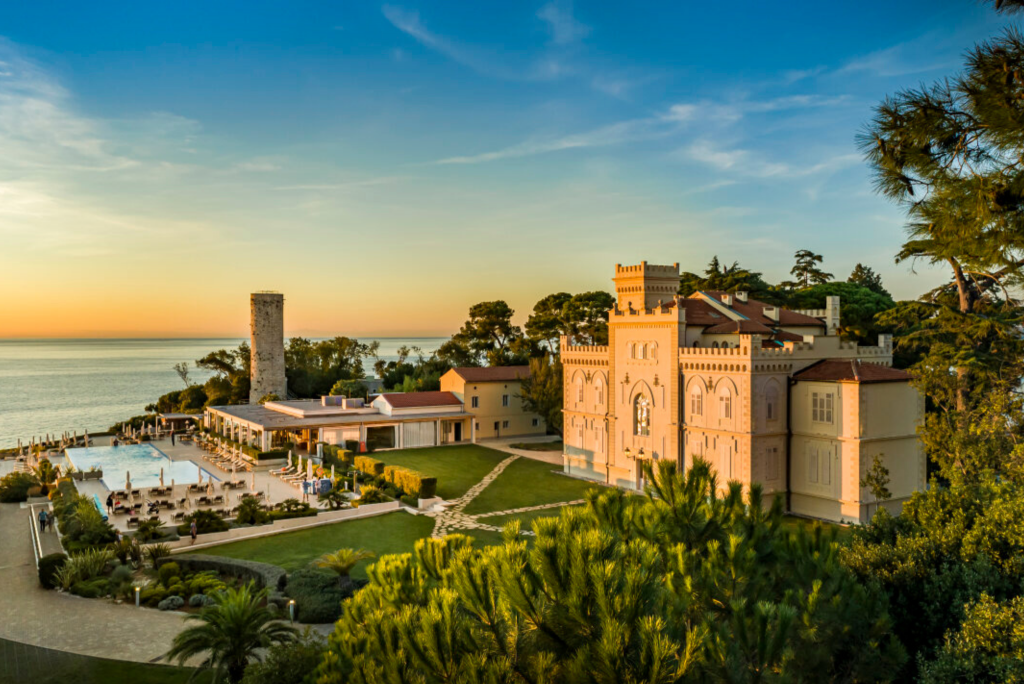
On the island of Rab, Arba Resort was created through the reconstruction of the former Hotel Eva, preserving original design elements and green areas. Designed as a nearly zero-energy building (nZEB), the resort uses renewable energy sources, including an on-site solar plant and advanced heat pumps. Its concept also integrates local culture and supply networks, from regional cuisine to locally made amenities, reinforcing the idea that sustainability and a sense of place are mutually reinforcing.
Standards, Accountability, and Recognition
Credibility in sustainability depends on verification, consistency, and governance. Valamar reports that all properties hold sustainability certifications, including ISO 9001, ISO 14001, and ISO 50001 across the portfolio, with additional certifications such as TRAVELIFE, EU ECOLABEL (for camps), ECOSTARS (for selected hotels), and BLUE FLAG (for beaches). The company is also a member of the UN Global Compact and joined GSTC (Global Sustainable Tourism Council) in 2024, while participating in the Energy & Environment Alliance focused on decarbonization in hospitality.
In 2026, this comprehensive approach aligns with the spirit of Sustainable Initiative recognition, connecting measurable progress in emissions reduction and resource management with community value, biodiversity protection, and long-term destination stewardship.
To explore Valamar Riviera’s sustainability strategy and progress, visit Valamar Riviera.