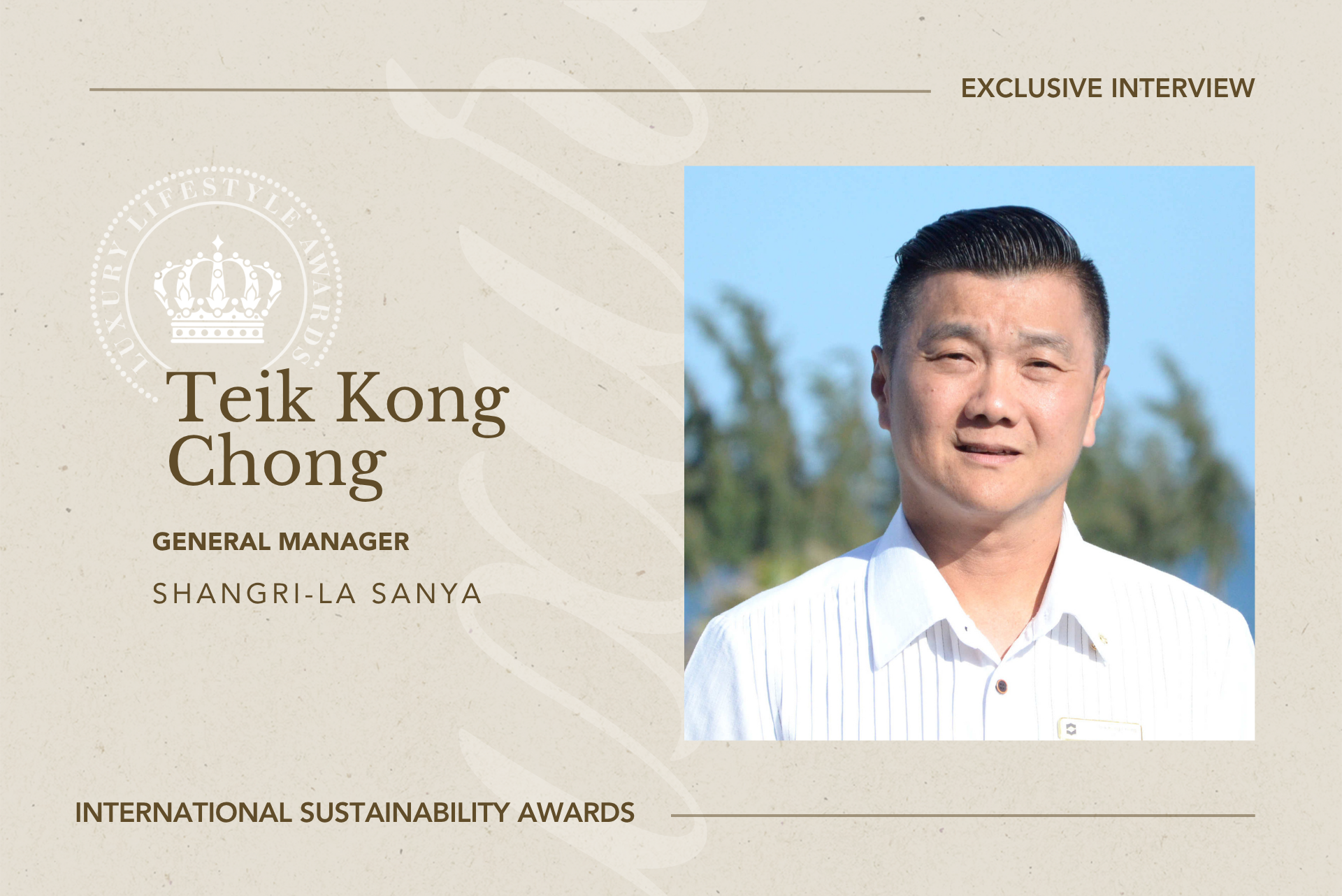
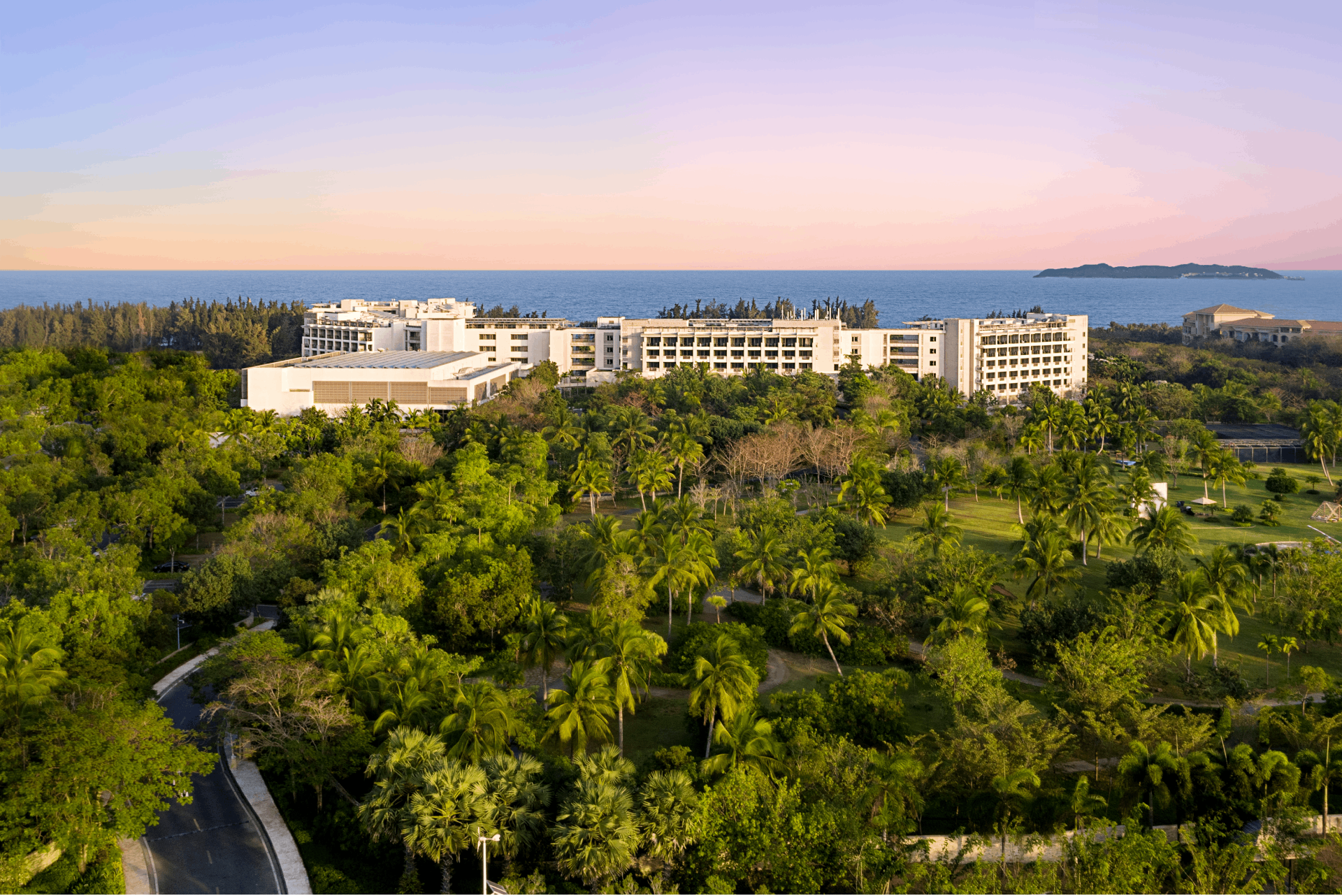
Teik Kong Chong, General Manager of Shangri-La Sanya, leads a 492-room seaside resort in Sanya, China, where environmental responsibility and community engagement form part of its long-term approach to hospitality. In 2026, Shangri-La Sanya was recognized by the International Sustainability Awards (ISA) for its commitment to responsible hospitality through mangrove conservation, plastic reduction initiatives, and sustained community engagement. In conversation with Alexander Chetchikov, President of World Luxury Chamber of Commerce, Chong discusses the importance of continuity, practical environmental measures, community relationships, and embedding sustainability into the culture of hospitality.
Alexander Chetchikov: Shangri-La Sanya has supported mangrove conservation at Tielugang Mangrove Nature Reserve since 2016. What has this long-term commitment taught you about the role hospitality businesses can play in protecting their local environment?
Teik Kong Chong: Our decade – long partnership has taught us that coastal hospitality and ecosystem resilience are inseparable. Mangroves act as a natural buffer against storm surges and shoreline erosion. Supporting their protection is far more than charity; it’s an investment in the long – term climate resilience of our destination. Business should step in pro-actively rather than reaching after environmental damage occurs.
AC: Shangri-La Sanya has combined conservation with practical measures to reduce single-use plastics. How do you approach turning sustainability objectives into consistent standards across the resort?
TKC: We translate goals into operational standards. We start with procurement to cut single – use plastics at source; regular staff training, clear KPIs and monthly performance review keep everyone aligned. For guestroom amenities, the reusable alternatives are rolled out and are only provided upon request. Sustainability becomes daily work rather than a marketing campaign.

AC: A resort serves guests while also operating within a wider ecological and social environment. How do you view the relationship between guest experience and responsible hospitality?
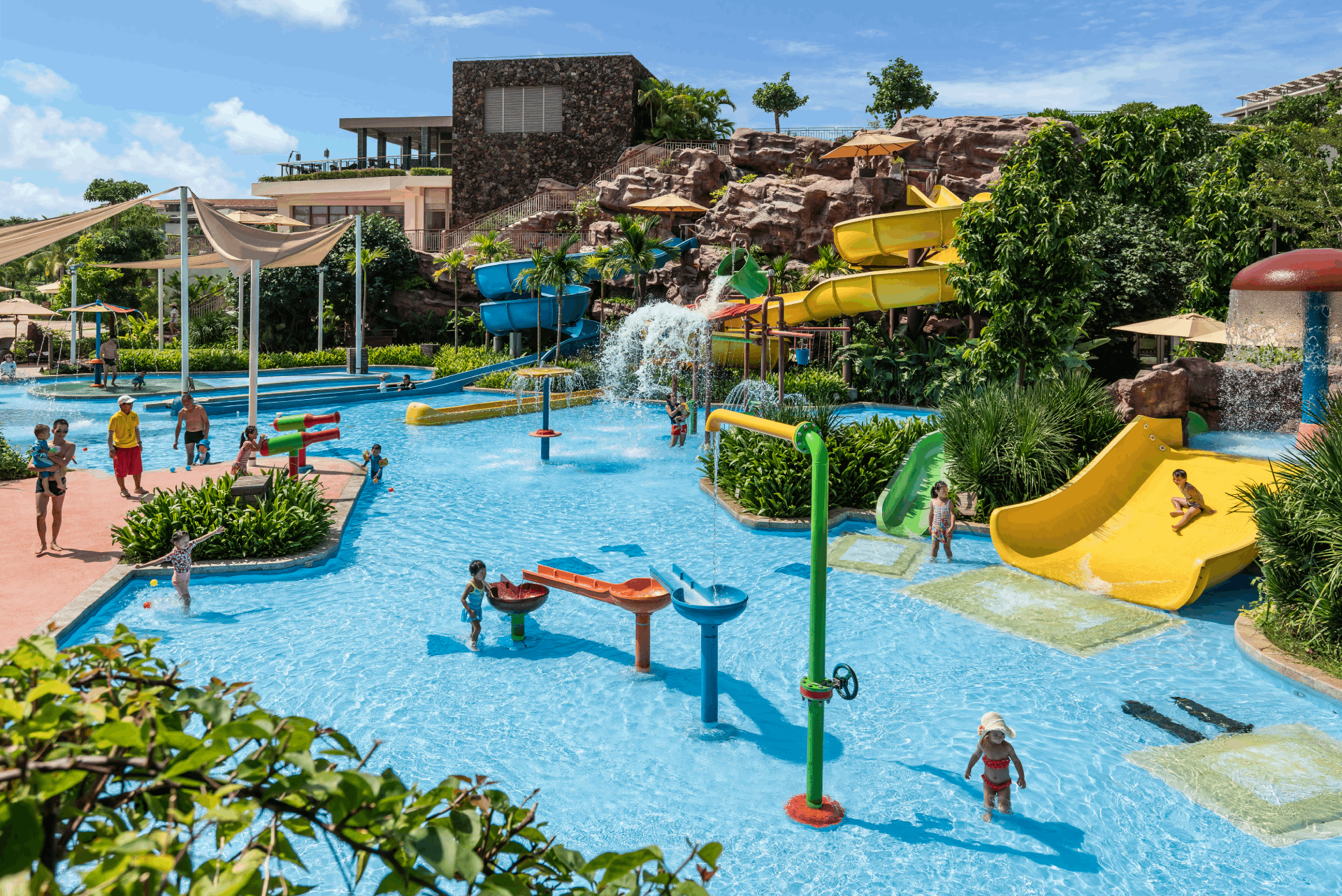
TKC: Responsible hospitality never means compromising on luxury service. On the contrary, it elevates guest experiences. Nowadays, guests seek meaningful travelling experiences. We offer guest activities such as beach clean-ups and many more, creating unique memories. Guest experiences and environmental care can perfectly coexist.
AC: Community engagement at Shangri-La Sanya extends to education and support for children. What principles guide the resort’s approach to building lasting relationships with the local community?
TKC: Shangri-La Sanya builds long-term relationships with the local community by offering consistent rather than one-time support, focusing particularly on children’s education. The resort responds to real local needs and collaborates with local schools and communities, encourages hotel staff to take part in volunteer work, prioritizes children’s development, respects local culture, and follows Shangri-La’s responsibility goal to achieve mutual benefit.
AC: Sustainability often depends on organizational culture as much as individual initiatives. From a leadership perspective, how can environmental and social responsibility become part of a hospitality team’s long-term mindset?
TKC: Commitment has to start from leadership. Sustainability sits high on our management agenda. More importantly, we give ownership to frontline teams. We welcome practical ideas from all staff and reward positive sustainability results. Staff onboarding and ongoing training and workshops during our daily operations help embed these values.
AC: Shangri-La Sanya’s sustainability work spans biodiversity, plastic reduction, coastal protection, and community initiatives. How do you maintain coherence across such different areas of responsibility?
TKC: Our core vision is to be an island resort that honours nature and uplifts local communities. This shared vision keeps everyone towards to a same direction.
We’ve brought together staff from Operations, Procurement, HR, Marketing and beyond to form a cross–functional sustainability team. Through regular catch-ups between departments and uncover new ways to collaborate. Take this mangrove conservation work – it hasn’t just protected biodiversity; it’s also inspired guest experience and youth education programs along the way.
We also work within a consistent goal-setting framework. No matter how difficult our project will be, each one comes with clear targets and timelines. Before we confirm any new initiative, we ask: how does it serve?
AC: Looking ahead, what should define the next stage of Shangri-La Sanya’s sustainability approach?
TKC: Moving forward, our next phase of sustainability will focus on deeper integration with Hainan’s coastal context. Beyond standalone projects on biodiversity, plastic reduction and community outreach, we will embed sustainability more deeply into daily resort operations, guest experiences and local supply chains.
We will step up climate–focused actions such as energy–saving upgrades and responsible local sourcing. Meanwhile, we want to turn environmental work into shared actions, inviting guests, team members and local partners to co-create tangible conservation outcomes for Sanya’S ecosystems. We aim to deliver practical, locally rooted impact rather than symbolic initiatives.
Shangri-La Sanya’s approach positions sustainability as a continuing management responsibility encompassing the natural environment, resort practices, and relationships with the local community. Teik Kong Chong’s perspective reflects the relevance of consistency and institutional commitment in hospitality, making the conversation particularly pertinent as the sector considers how environmental and social responsibility can be incorporated into long-term operating culture.
Discover more about Shangri-La Sanya: https://www.shangri-la.com/sanya/shangrilasanya/