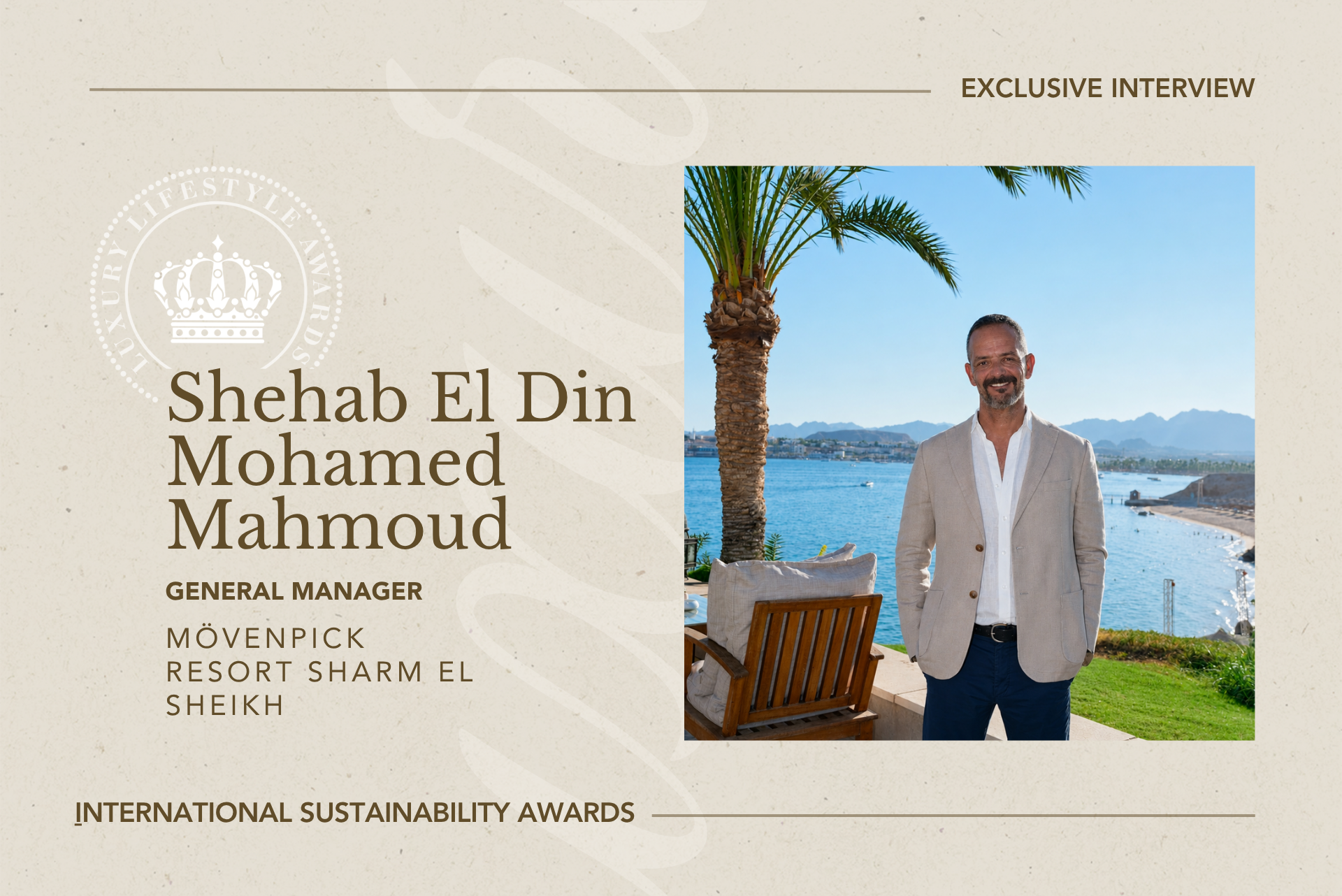
Shehab El Din Mohamed Mahmoud, General Manager of Mövenpick Resort Sharm El Sheikh, leads a five-star resort overlooking Naama Bay and the Red Sea in Egypt. In 2026, the resort was recognized by the International Sustainability Awards for its commitment to responsible hospitality through circular resource management, resource-efficient operations, biodiversity conservation, and community development. In conversation with Alexander Chetchikov, President of World Luxury Chamber of Commerce, Shehab discusses how sustainability is being integrated into resort operations, the thinking behind the Second Life Glass Initiative, and the importance of measurable progress, organizational culture, and collaboration in advancing responsible hospitality.
Alexander Chetchikov: Sustainability at Mövenpick Resort Sharm El Sheikh is described as part of both the operational strategy and long-term business vision. From your perspective as General Manager, what does it take to move sustainability from a set of individual initiatives into an established management approach?
Shehab El Din Mohamed Mahmoud: To me, sustainability becomes a true management approach when it shapes how we lead, plan and measure performance, and position the resort in the market. We align every department around clear objectives, supported by our Sustainability Management Plan, Green Globe standards and continuous staff engagement. This creates accountability, measurable progress and a culture where responsible hospitality is embedded naturally into our daily operations.
AC: The Second Life Glass Initiative is a particularly tangible example of circular resource management. What leadership thinking shaped the decision to repurpose existing shower glass doors rather than treat them simply as renovation waste?
SEM: The decision reflected a simple leadership principle: renovation should create progress without unnecessary waste. It also reflects our values of environmental stewardship, innovation and excellence. We looked beyond disposal and asked how existing assets could create new value. By transforming 160 glass doors, approximately 6.5 tonnes, into elegant fencing, we reduced embodied carbon while preserving safety and the guest experience. At the same time, this approach delivered substantial cost savings, demonstrating that responsible choices can create both environmental and business value.
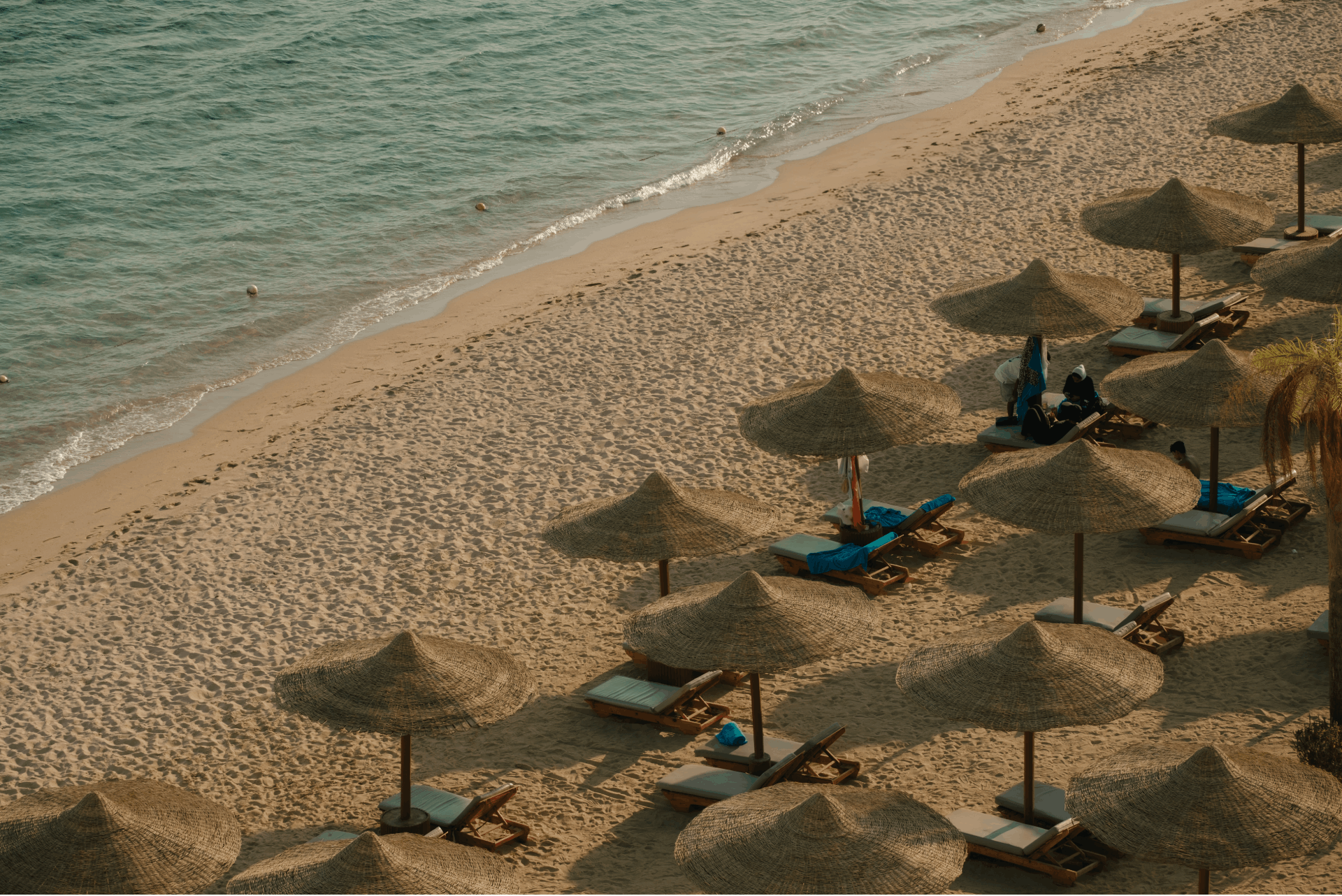
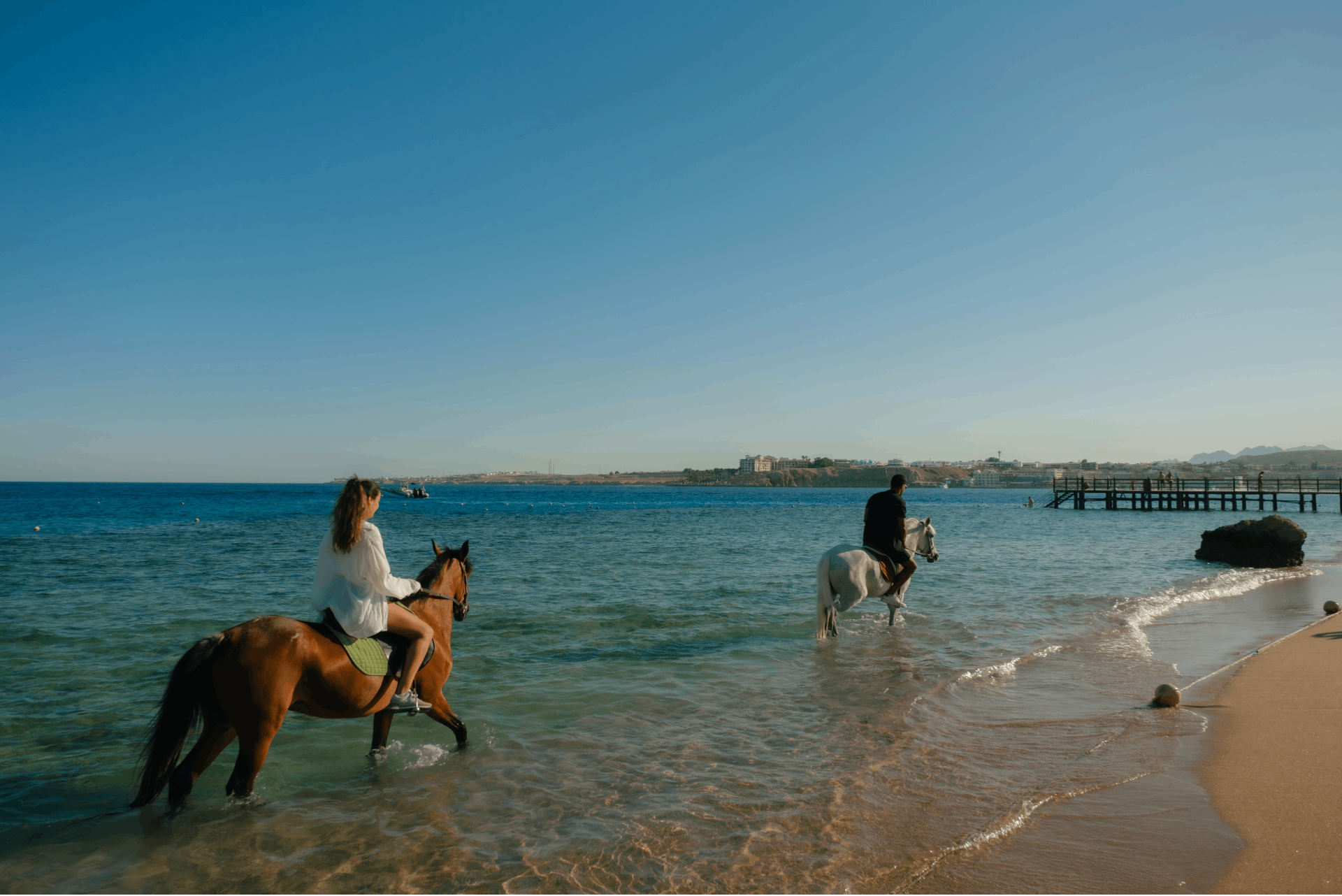
AC: Operating beside Naama Bay and the Red Sea places the resort within a distinctive natural environment. How does that context influence your approach to resource efficiency and biodiversity?
SEM: Being beside Naama Bay and the Red Sea gives our sustainability approach a clear responsibility: to protect the natural environment that defines the destination. We therefore manage energy and water carefully, optimize irrigation with climate-appropriate plants, segregate waste and reduce pollution risks. Through staff and guest awareness, we help protect coral reefs, marine life and local biodiversity while pursuing measurable improvement.
AC: Measurement is increasingly central to credible sustainability management. How do performance indicators help you turn environmental commitments into accountable decisions?
SEM: Performance indicators give our commitments discipline and direction. By monitoring electricity consumption, water intensity, food waste and greenhouse gas emissions through regular reviews and the ACCOR GAIA platform, we turn ambition into informed action, identify opportunities for improvement and strengthen accountability. For each initiative, measurable results, such as 6.5 tonnes of glass reused and 7.8 tonnes of CO₂ emissions avoided, make our progress transparent, tangible and measurable.
AC: Sustained environmental performance depends heavily on organizational culture. How have you approached employee engagement so that responsibility is shared across departments?
SEM: A long-term framework for maintaining this focus and pursuing continual improvement. We make sustainability a shared responsibility by embedding it into every department’s objectives and daily routines. Through regular training, Green Team initiatives and open employee engagement, our people are empowered to identify improvements and contribute practical solutions. Continuous monitoring and clear targets provide a long-term framework that sustains focus, strengthens accountability and drives continual improvement across the resort.
AC: Your sustainability program also extends into community relationships and local development. How do you view the role of collaboration in creating a broader form of responsible hospitality?
SEM: I see collaboration as essential to responsible hospitality: a resort should create value not only for guests, but also for its community and environment. By prioritizing local suppliers, supporting our organic farm and olive-tree planting programme, partnering on food donations, and engaging guests and colleagues, we strengthen local development, protect biodiversity and make sustainability a shared, lasting commitment.
AC: Looking toward the resort’s next phase of sustainability development, which priorities do you believe will have the greatest influence on how responsible hospitality evolves within the property?
SEM: Our next phase will focus on measurable resource efficiency, deeper circularity and stronger protection of the Red Sea environment. We will advance carbon-scored menus, reduce food waste, expand recycling, eliminate single-use plastics and strengthen sustainable procurement. Alongside digital guest services, biodiversity and community programmes, these priorities will make responsible hospitality more efficient, transparent and meaningful for everyone.
The conversation with Shehab El Din Mohamed Mahmoud reflects a leadership approach in which sustainability is connected to management systems, measurable resource efficiency, circular thinking, organizational culture, and community collaboration. Mövenpick Resort Sharm El Sheikh’s 2026 International Sustainability Awards recognition places these practices within a wider industry discussion about how established hospitality businesses can integrate environmental and social responsibility into long-term operational decision-making.
Discover more about Mövenpick Resort Sharm El Sheikh