Luxury spa interiors ask design to do more than establish atmosphere. They must respond to place, support an operating model, and give a project a clear identity within its wider hospitality setting. Rosenthal Interiors & Partners approaches this work through design, building implementation, commercial considerations, and operational support after delivery. That integrated method is reflected in its recognition by Luxury Lifestyle Awards as a winner in Best Luxury Hotel Spa Interior Design for Hotel Spa van Oys Maastricht in the Netherlands.
Design as an Operational Discipline
Established in 1997, Rosenthal Interiors & Partners works across public commercial, leisure, spa, hotel, and by exception, exclusive residential projects. Its practice extends beyond the creation of interiors alone. The company considers return-on-investment factors before a spa project is built and implemented, then remains involved by assisting with operations following delivery. This creates a design process in which spatial decisions can be considered alongside the practical and commercial life of the finished environment.
The approach is particularly relevant in spa design, where architecture, guest movement, atmosphere, and long-term use must work together. Rather than treating delivery as the final stage of the relationship, Rosenthal Interiors & Partners positions continued operational involvement as part of its wider project role. The result is a working model shaped by participation throughout the project lifecycle.

Context as a Design Driver
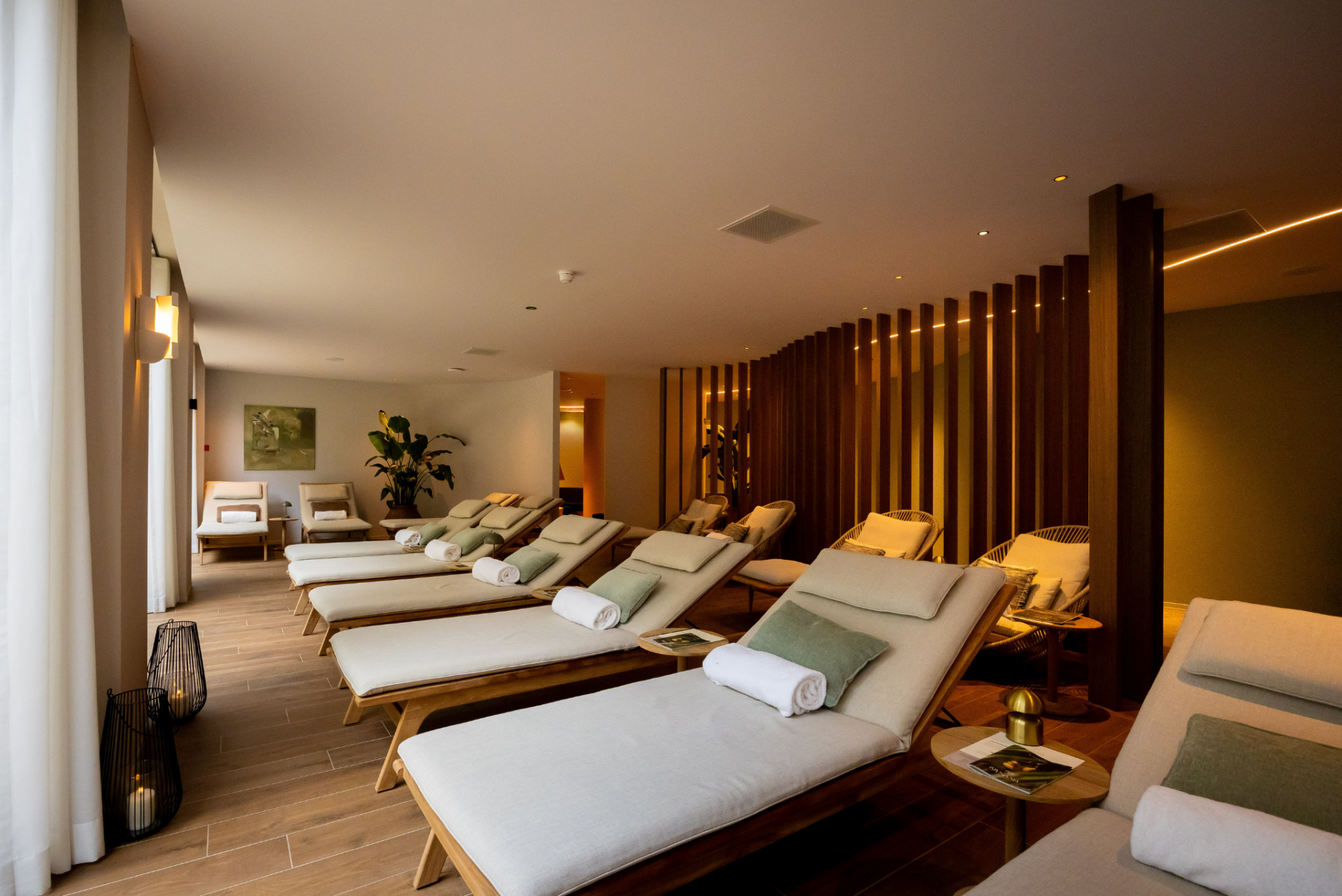
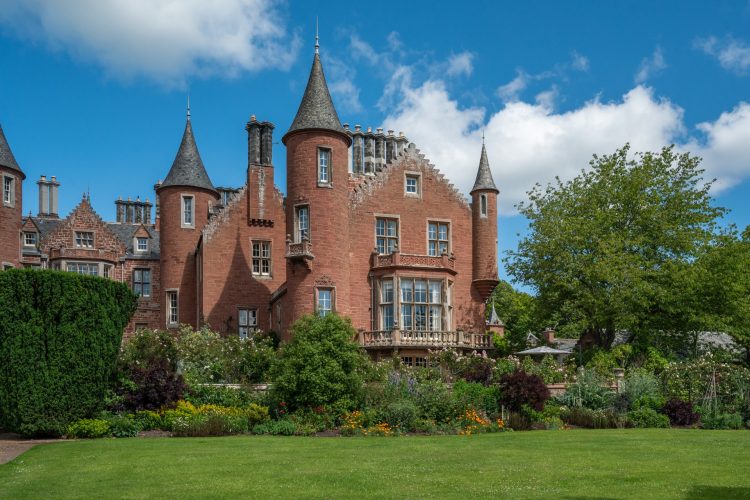
Hotel Spa van Oys Maastricht places that thinking within a distinctive architectural setting in Eijsden-Maastricht, Limburg. Completed in January 2026, the five-star hotel spa forms part of a renovation project combining a new building with an older renovated castle. The project therefore required the spa design to establish its own contemporary character while responding to an existing architectural context.
Curved walls are a defining element of the spa. According to the project submission, their form supports a connection to the castle tower while responding to the natural hilly landscape surrounding the property. The geometry introduces a softer spatial language while tying the interior concept to features already present in the setting. In this context, design becomes a means of connecting architecture, landscape, and the intended sense of relaxation within the spa environment.
A Broader View of Spa Development
Rosenthal Interiors & Partners brings experience from several sectors into its spa work, allowing hospitality projects to be considered from more than one design perspective. Its portfolio includes work in Germany, Morocco, Austria, Switzerland, and the United Kingdom, alongside its activities connected with the Netherlands.
The company also maintains professional relationships within spa-sector networks in Germany and the Netherlands. Its industry presence includes participation at fairs, contributions to professional spa publications, and lectures for architecture and spa platforms. These activities reflect a practice engaged not only in delivering projects but also in the professional discussion surrounding spa design and development.
For clients, the firm’s model places design within a wider process that begins before construction and continues after completion. Financial considerations are addressed before implementation, while operational assistance after delivery creates continuity between the original design intention and the way the spa functions in practice. This extended involvement gives Rosenthal Interiors & Partners a perspective that connects design decisions with the long-term operation of the spaces it creates.

Recognition Through Project Relevance
The Luxury Lifestyle Awards recognition of Hotel Spa van Oys Maastricht places attention on a project where architectural context and spa design are closely connected. The award serves as an external marker of the work while allowing the project itself to remain central – particularly its response to the castle setting, the surrounding landscape, and the relationship between new and renovated elements.
For Rosenthal Interiors & Partners, the project also represents the value of approaching spa interiors as part of a larger hospitality and operational framework. The curved spatial language, connection to the existing tower, and consideration of the site’s terrain demonstrate how a spa can derive identity from its location rather than operate as an isolated interior.
As luxury hospitality continues to place greater emphasis on distinctive environments and considered guest experiences, projects such as Hotel Spa van Oys Maastricht illustrate the role of design in establishing a sense of place while remaining connected to practical use. Rosenthal Interiors & Partners brings that relationship between design, implementation, and operation into a single project approach.
Discover more about Rosenthal Interiors & Partners.