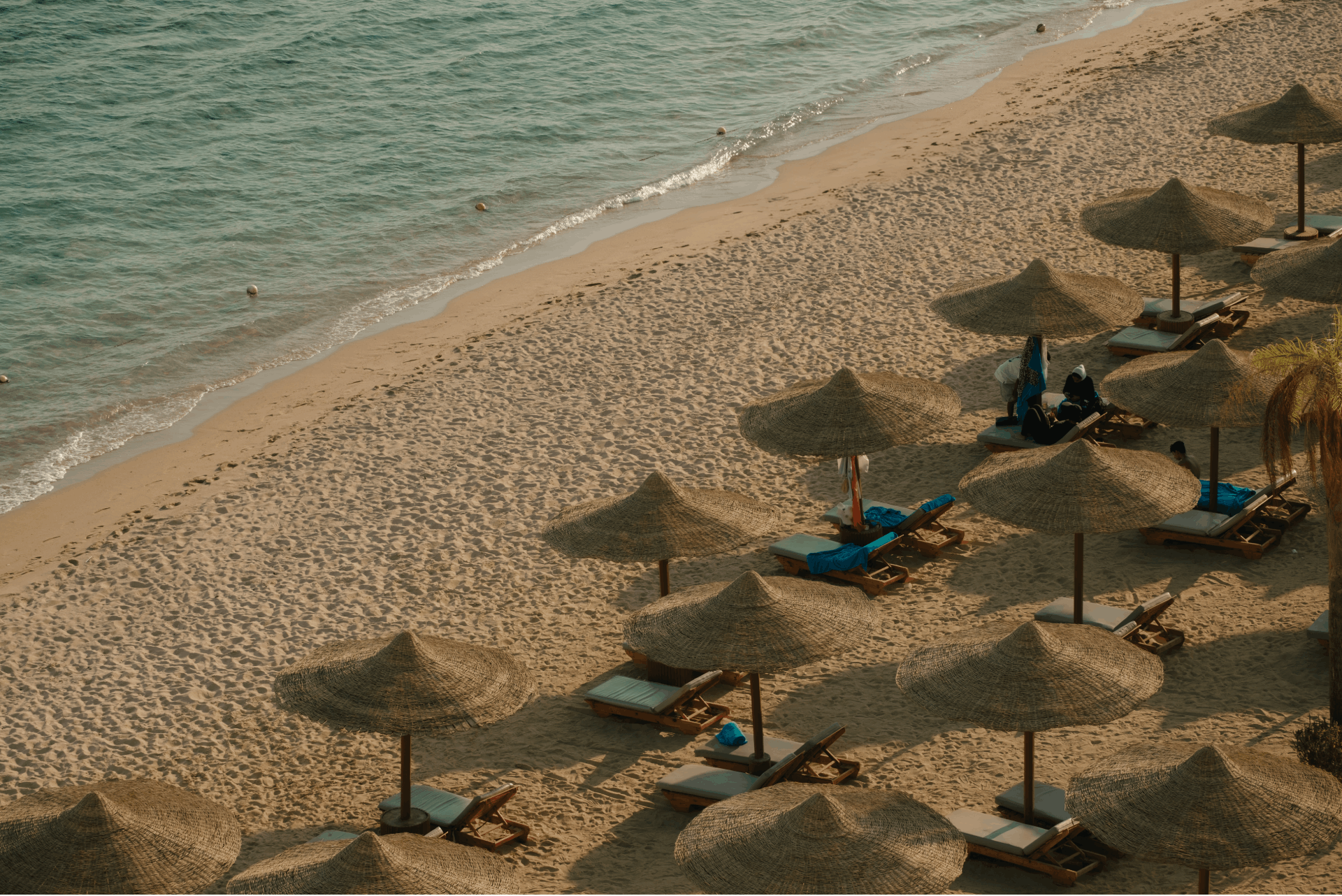
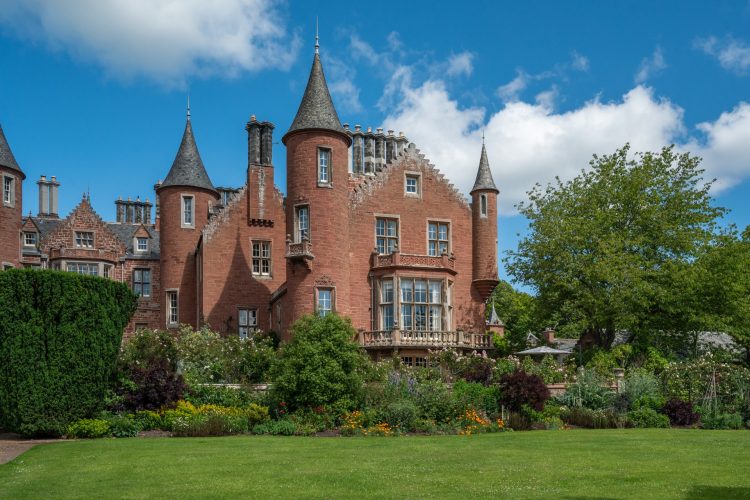
Mövenpick Resort Sharm El Sheikh occupies an elevated position above Naama Bay, where panoramic Red Sea views, five private beaches, and Arabian-style accommodations define the setting. Yet the resort’s approach to hospitality increasingly extends beyond the guest experience to the way resources are managed, materials are reused, and the surrounding environment is considered. This direction has been recognized by the International Sustainability Awards in 2026 for exceptional commitment to responsible hospitality through circular resource management, resource-efficient operations, biodiversity conservation, and community development.
A Red Sea Resort with a Wider Perspective
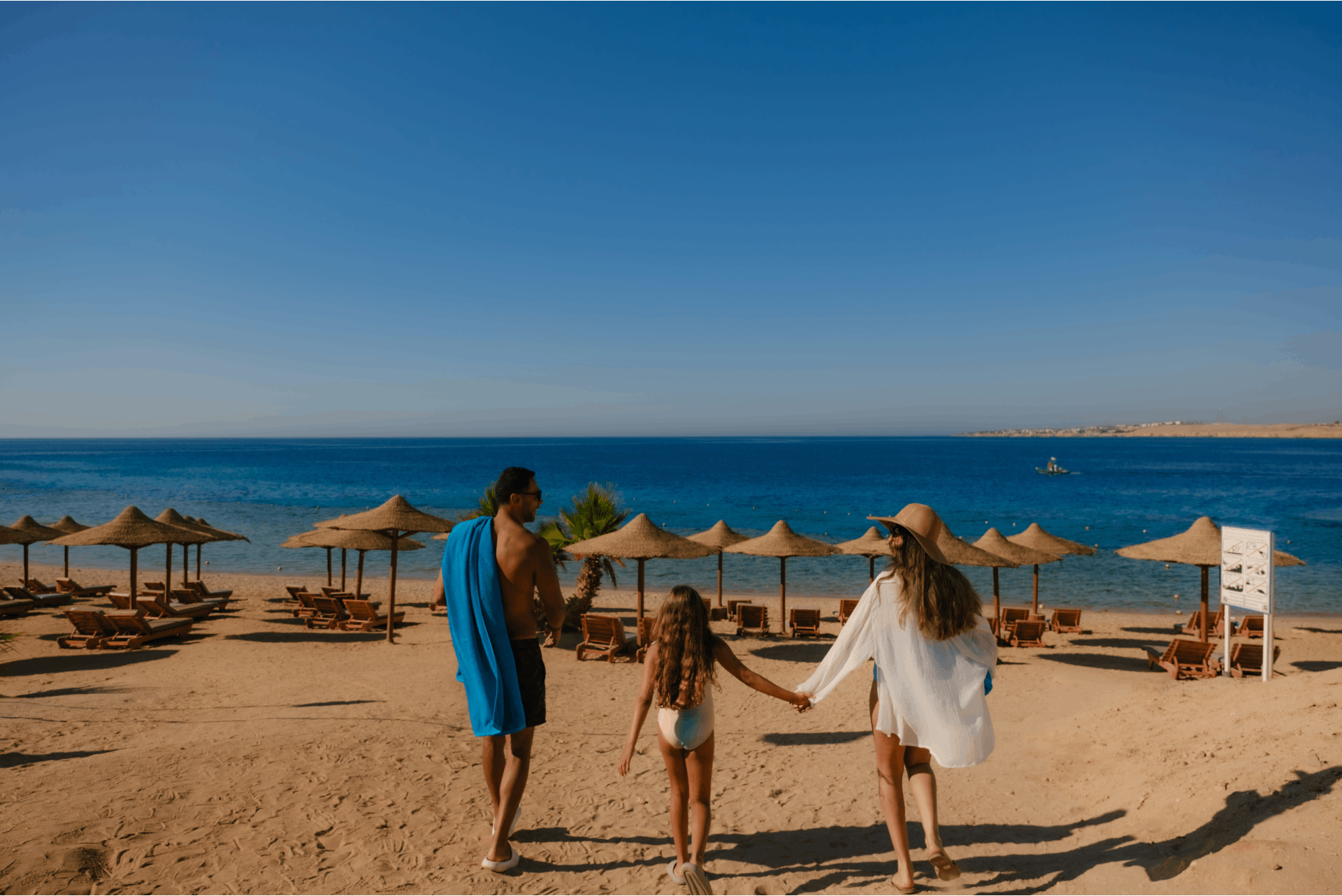
With 298 hotel rooms and four premium villas, Mövenpick Resort Sharm El Sheikh combines its distinctive location with a broad resort experience. Guests can enjoy a variety of culinary experiences throughout the resort, from Indian cuisine at Rangoli and Arabian mezzeh and grills at El Kababgy to international dining at Liwa. Sports and leisure facilities include four tennis courts, diving through Scorpion Diving center, horseback riding, a heated swimming pool, and Lotus Spa.
Behind this established hospitality offering is a structured environmental program guided by the resort’s Sustainability Management Plan 2026–2027 and Green Globe standards. Energy use is monitored, LED lighting and energy-efficient equipment are employed, and HVAC systems receive preventive maintenance. Water-saving technologies, consumption monitoring, leak management, optimized irrigation, and climate-appropriate landscaping address resource use in Sharm El Sheikh’s water-scarce environment.
Giving Existing Materials a Second Life
One of the clearest expressions of the resort’s circular approach emerged during its room renovation program. Rather than discarding tempered shower glass doors removed from refurbished guest rooms, Mövenpick Resort Sharm El Sheikh repurposed them as permanent outdoor glass fencing.
Known as the Second Life Glass Initiative, the project ran from August 1 to September 25, 2025. A total of 160 tempered glass doors – approximately 6.5 tonnes of glass – were reused. This diverted the recovered glass from landfill and eliminated the need to purchase new glass for the fencing. The initiative is estimated to have avoided approximately 7.8 tonnes of CO₂ emissions and EGP 1.6 million in material procurement costs. The reused panels were professionally engineered and installed as 120 cm-high safety glass fencing in accordance with applicable structural and safety requirements.
The project demonstrates a practical principle: responsible hospitality can be advanced through decisions made during routine property development. By treating an existing material as a resource rather than waste, the resort connected circular design with operational and economic considerations.
Resource Efficiency Across Operations
The same thinking extends into daily resort management. Waste is segregated at source, with paper, cardboard, plastic, glass, metals, used cooking oil, batteries, toner cartridges, and electronic waste directed to licensed recycling partners. Food waste reduction is addressed through procurement, inventory control, and food preparation practices, while sustainable procurement prioritizes environmentally preferable products, locally sourced goods where feasible, reusable materials, and eco-certified cleaning chemicals.
Future measures outlined in the resort’s Sustainability Management Plan include carbon-scored menus through FoodSteps, expanded recycling and waste segregation, paperless check-in and digital guest services, further reductions in single-use plastics, and continued monitoring of greenhouse gas emissions through the Accor GAIA platform. The resort states a target of eliminating single-use plastics by 2027.
Protecting Place and Supporting Community
The resort places biodiversity within its environmental priorities. Guest and employee awareness programs address the importance of protecting coral reefs and marine life, while native and climate-appropriate vegetation is incorporated into landscaping to support local biodiversity and reduce irrigation requirements.
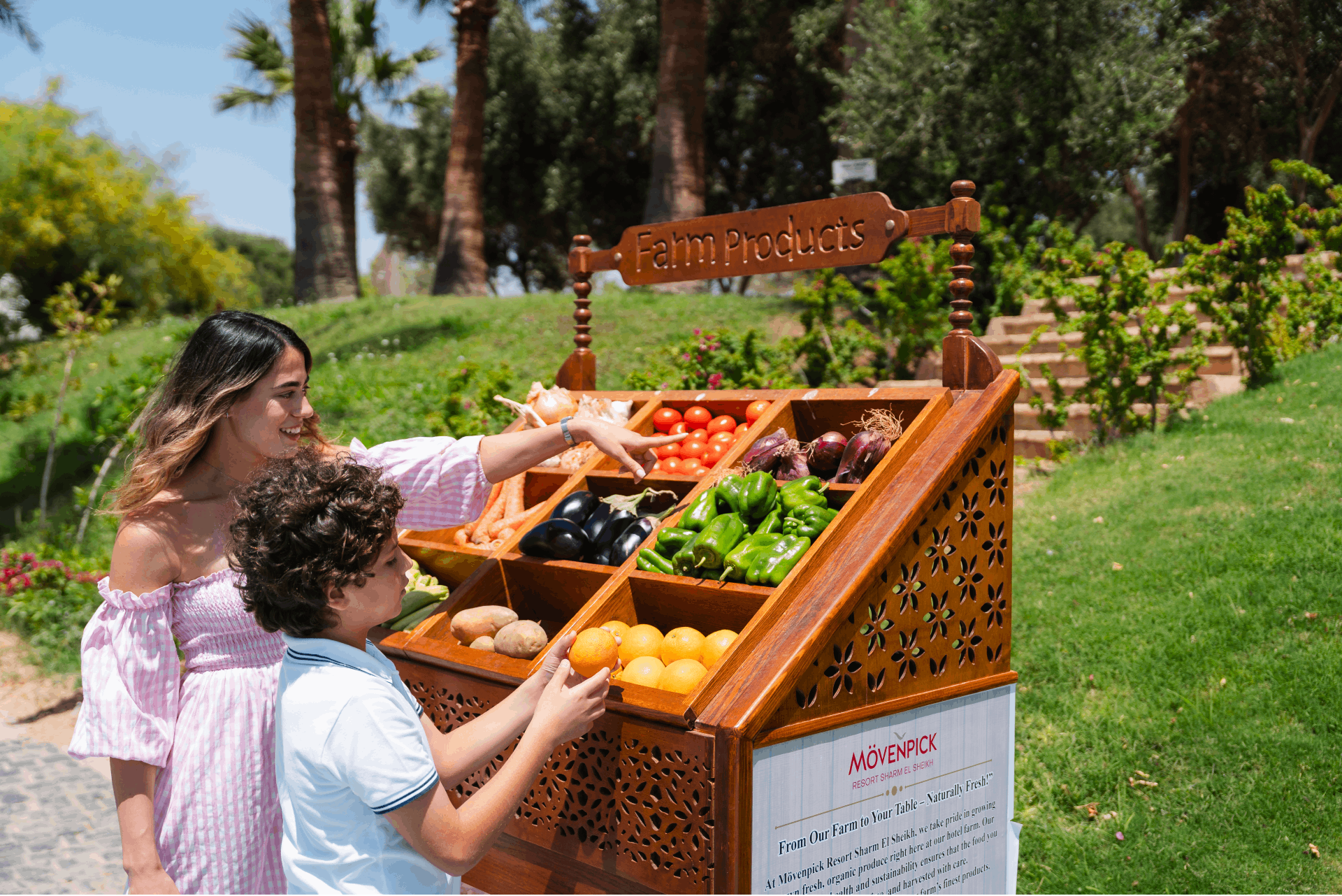
Its sustainability program also encompasses community initiatives. The resort works with the Al-Amal Charity Association on food donations, cooperates with the Ministry of Health Blood Bank Center on blood donation campaigns, and provides training opportunities for local students and graduates. Additional initiatives include a 2.5-hectare organic farm, olive tree planting, and support for authentic Bedouin handcrafts and local livelihoods.
Progress Built on Long-Term Standards
Proudly Green Globe Certified and recognized with Green Globe Platinum Certification for 12 consecutive years, the resort demonstrates a long-standing commitment to continuously measuring, improving, and advancing its environmental performance. A dedicated Green Team, employee sustainability training, departmental environmental objectives, and ongoing monitoring of energy, water, food waste, and greenhouse gas emissions help integrate these priorities into resort operations.
Its 2026 International Sustainability Awards recognition places this work within a broader context of responsible hospitality – one of which circular resource management, operational efficiency, biodiversity protection, and community engagement are treated as connected elements of long-term resort management. The approach shows how a luxury property can retain the experiences that define its destination while making measurable changes in how it uses resources and manages its environmental and social responsibilities.
Discover more about Mövenpick Resort Sharm El Sheikh.