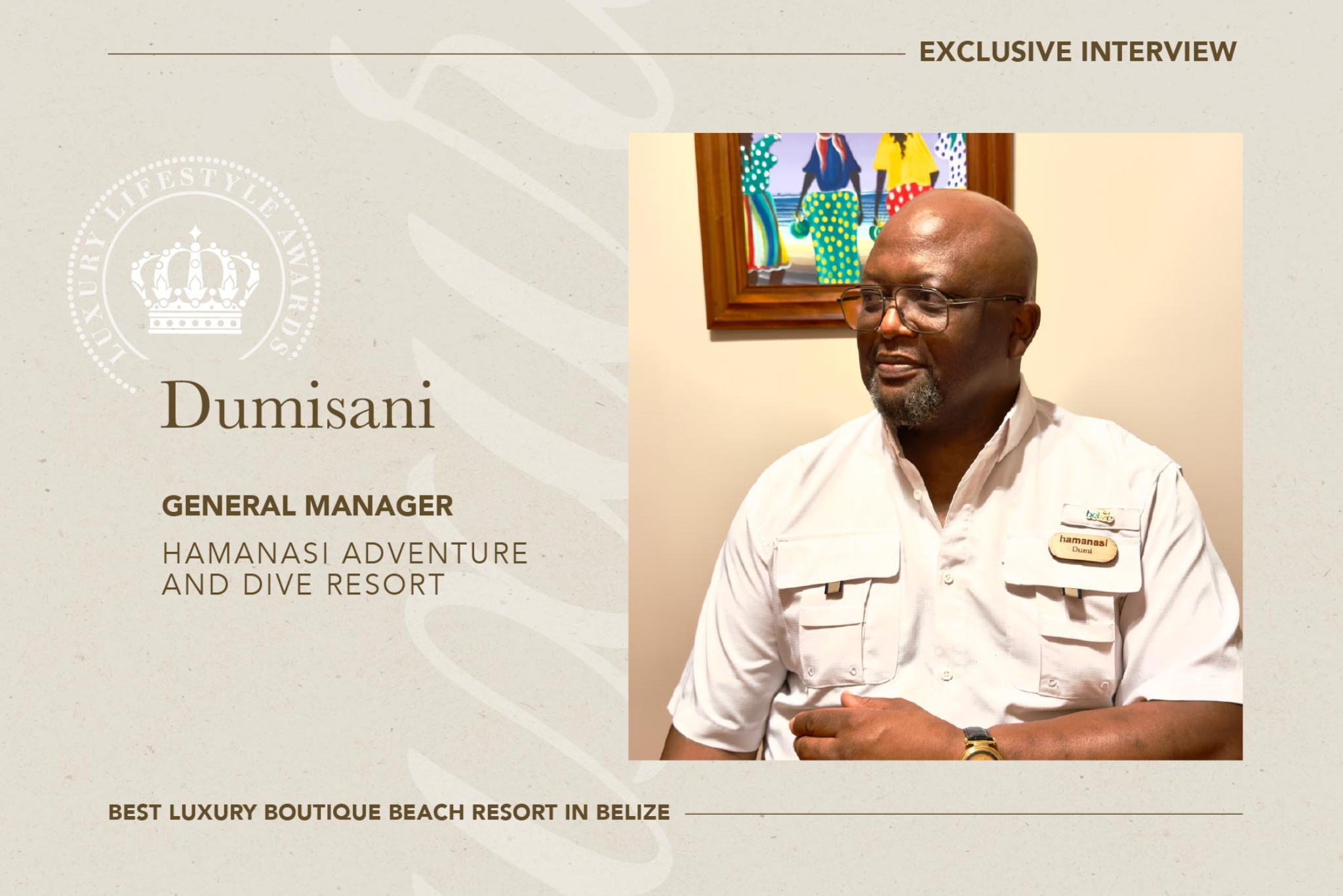
Dumisani, General Manager of Hamanasi Adventure & Dive Resort in Belize, discusses the relationship between responsible hospitality, environmental stewardship, and the long-term development of boutique resort experiences. Recognized by Luxury Lifestyle Awards as Best Luxury Boutique Beach Resort in Belize and by the International Sustainability Awards (ISA) for its commitment to regenerative sustainability, ecosystem conservation, and responsible hospitality operations, Hamanasi provides a relevant perspective on the changing expectations of luxury travel. In conversation with Alexander Chetchikov, President of the World Luxury Chamber of Commerce, Dumisani addresses leadership priorities, sustainability in hospitality management, and the importance of maintaining consistent standards while responding to evolving industry expectations.
Alexander Chetchikov: Hamanasi Adventure & Dive Resort has received recognition both for its boutique luxury hospitality and its approach to sustainability. How do these two dimensions inform your overall philosophy of resort management?
Dumisani: At Hamanasi, luxury and sustainability are not two separate agendas. Our guests come for the reef, the rainforest and a quiet stretch of Caribbean beach, so protecting those things is part of delivering the experience. With 30 rooms set within coastal forest, we can know our guests by name and tailor every stay, and that same scale lets us be deliberate about each decision, from what we buy to how we build. My philosophy is simple: luxury is the feeling of being cared for in a place that is cared for. If either side slips, the guest feels it.
AC: The International Sustainability Awards recognized Hamanasi’s commitment to regenerative sustainability and ecosystem conservation. How do you approach the relationship between hospitality operations and environmental responsibility?
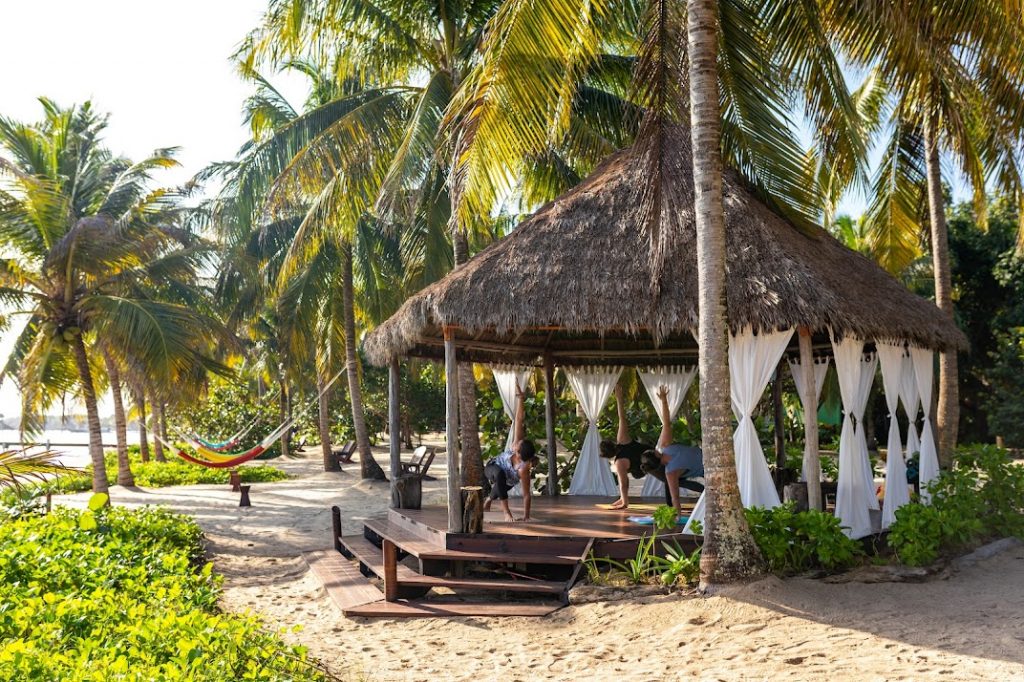
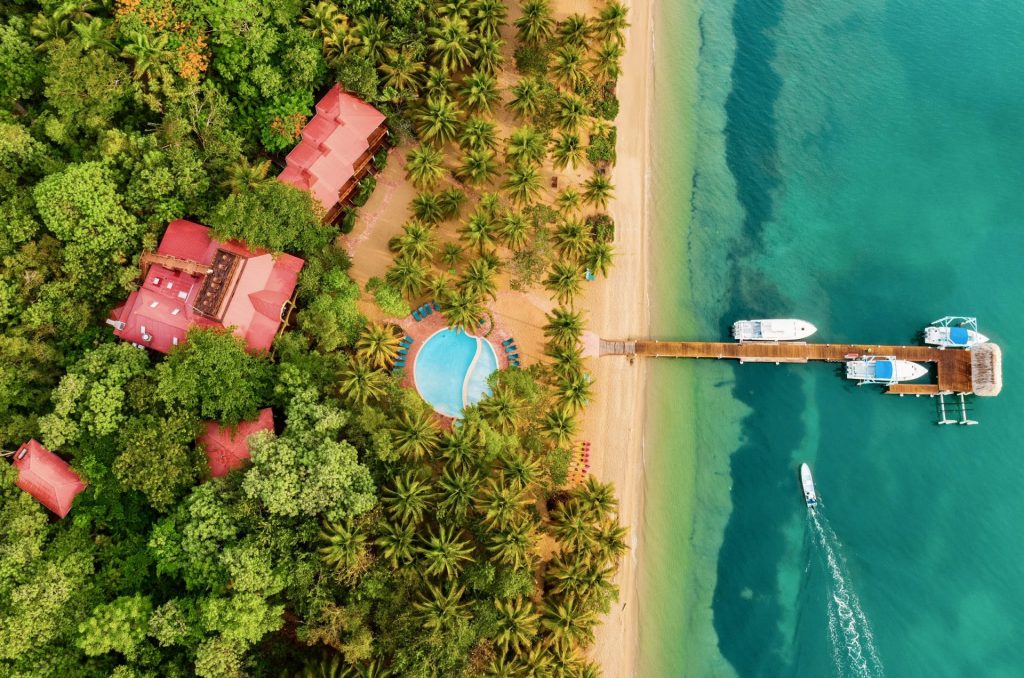
D: We start from the idea that the resort is a guest of the ecosystem, not the other way around. Our rooms sit within the coastal forest, and our treehouses are raised among the trees so the forest floor stays intact. Operationally, we focus on the everyday decisions that add up over a year: energy, water, waste, purchasing and how we care for the coastline. We are recommissioning our solar array, we buy our project materials directly so we know where they come from, and we favour Belizean suppliers wherever we can. On the coast, we are working with specialists on responsible ways to manage sargassum so that we protect the beach and the marine environment rather than simply moving the problem elsewhere. To me, regenerative means leaving the place better each year: protecting habitat, supporting the reef through responsible diving practices, and investing in the community of Hopkins that we are part of.
AC: As General Manager, how do you establish a culture in which service quality and responsible practices are understood as shared organizational priorities?
D: Culture is built in small, daily moments, not in a policy manual. Every member of our team has been trained to see the resort through the eyes of the guest, and we follow that with practical, department-specific training so that standards are clear and concrete. Our heads of department own quality in their own areas rather than relying on an inspector, and we are building a management trainee programme so that our future leaders grow from within. Responsible practices sit inside those same standards. Switching off what is not needed, separating waste properly, or explaining reef etiquette to a first-time diver is treated as part of good service, not as an extra task. When the team sees leadership holding both to the same standard, they stop seeing them as separate priorities. We also make a point of recognizing people who get it right, because recognition is one of the most powerful ways to build a culture.
AC: Boutique resorts operate within a different hospitality framework from large-scale properties. How do you define the qualities that should distinguish a luxury boutique resort experience?
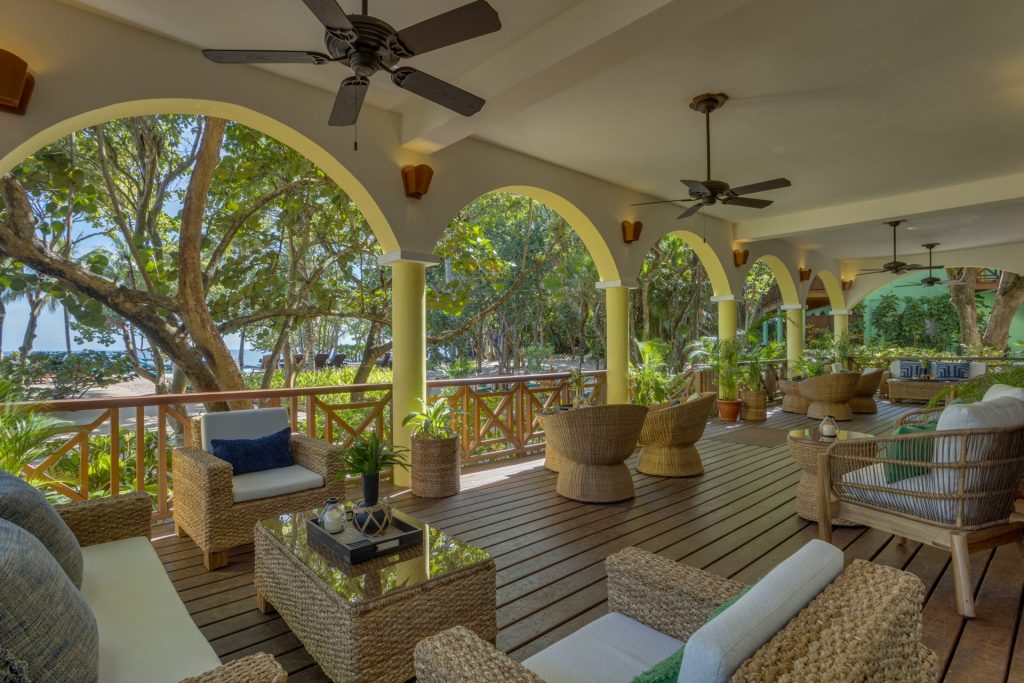
D: For me it comes down to three things: intimacy, authenticity and attention. A boutique resort should never make a guest feel like part of a crowd. Our rooms are spread through the grounds so each one feels private, and our team can remember how you take your coffee and which dive site you loved yesterday. Authenticity means the experience could only happen here, in a Garifuna village between the Maya Mountains and the Belize Barrier Reef. That is why we are introducing cultural evenings with local storytellers and developing menus that celebrate fresh, local and plant-based food. Attention means consistency: the last guest of the season should receive the same care as the first. Large properties compete on scale; we compete on how well we know our guests and our place.
AC: Hamanasi’s identity connects beach hospitality with adventure and diving. What perspective should guide resort leadership when integrating destination experiences with established luxury service standards?
D: Adventure and luxury are not opposites. At Hamanasi, the adventure is the luxury. A guest might spend the morning diving the Barrier Reef, the afternoon at a jungle waterfall and the evening on the beach, and leadership’s job is to make that day feel seamless. That means the same standard of care applies on the dive boat as in the dining room: safety first, expert guides, well-maintained equipment, and a team that has planned the day around the guest’s interests. Our Adventure Centre works with each guest to shape their stay, and the rest of the resort follows the rhythm of those experiences, from early dive departures to spa and yoga time for guests who prefer a slower day. The principle is that the destination leads and our service frames it. We should never package nature so tightly that it loses its sense of wonder.
AC: As expectations around sustainable travel continue to develop, what do you consider the most important leadership challenge for luxury hospitality businesses?
D: The biggest challenge is integrity: making sure that what we say matches what guests experience and what happens behind the scenes. Today’s travelers are well informed and can tell the difference between a sustainability message and a sustainable operation. For leaders, that means making decisions that cost more in the short term because they are right in the long term, being honest about what we have not yet solved, and measuring our progress. Environmental pressures such as sargassum, coastal erosion and reef health are very real for resorts like ours, and responding to them takes investment and patience. The second challenge is people. Sustainable luxury depends on a skilled and motivated team, so investing in training and career paths for local staff is as important as any environmental programme.
AC: Looking ahead, what principles do you believe should guide the future development of responsible luxury hospitality, particularly for boutique resorts operating in environmentally significant destinations?
D: First, growth should be measured by the quality of the experience, not by the number of rooms. In an environmentally significant destination, density works against both luxury and conservation, so any development should be low-impact, shaped around the existing landscape and designed so that guests feel space and privacy. Second, the community must share in the success, through employment, local sourcing, training and respect for local culture. Third, decisions should be made with a long view. The reef and the forest were here long before us, and our role is to be good custodians for the next generation of travelers and Belizeans. Finally, be transparent with guests about what we do and invite them to take part, whether by respecting the reef or supporting local initiatives. Done well, responsible luxury becomes something guests feel, not just something they read about.
Dumisani’s leadership role at Hamanasi Adventure & Dive Resort provides a perspective on the relationship between service standards, organizational culture, and environmental responsibility. The resort’s recognition in boutique luxury hospitality and regenerative sustainability highlights two increasingly interconnected priorities within the industry. The interview examines how destination-based resorts can approach long-term management decisions while maintaining their identity, operational discipline, and commitment to responsible hospitality.
Discover more about Hamanasi Adventure & Dive Resort: https://www.hamanasi.com/.